Caring for indoor plants is more than just watering them occasionally; it involves understanding the intricate needs of each species, including light, humidity, and most importantly, soil. The right soil not only provides essential nutrients but also plays a crucial role in drainage and aeration, which are vital for healthy root development. Without the proper soil, even the most dedicated plant parent may struggle to keep their green companions thriving. When embarking on your indoor gardening journey, it's essential to recognize that not all soils are created equal. Different plants have varying requirements based on their natural habitats.
For instance, succulents and cacti thrive in well-draining soil that mimics their arid environments, while tropical plants often prefer a richer, moisture-retentive mix. Understanding these differences is key to successful indoor plant care.Moreover, the importance of soil extends beyond just providing nutrients. It influences how well water is retained and how effectively air circulates around the roots. A well-balanced soil mix can prevent issues such as root rot and nutrient deficiencies, which are common pitfalls for indoor gardeners.
By prioritizing the right soil composition tailored to your plants' needs, you set the foundation for a flourishing indoor garden.
The Role of Soil in Indoor Plant Health
Soil plays a crucial role in the overall health of indoor plants, serving as the foundation for their growth and development. The right soil composition can significantly influence nutrient availability, water retention, and aeration, all of which are vital for thriving indoor plants.Nutrient Availability:
Plants require a variety of nutrients to grow, including nitrogen, phosphorus, and potassium. These nutrients are often found in the soil, and their availability can directly affect plant health. A well-balanced soil mix ensures that indoor plants receive the essential nutrients they need to flourish.For instance, a potting mix designed for indoor plants typically contains organic matter such as compost or peat moss, which enriches the soil with nutrients.
Water Retention:
The ability of soil to retain moisture is another critical factor in indoor plant care. Different types of soil have varying capacities for holding water. For example, a mix that includes perlite or vermiculite can improve drainage while still retaining enough moisture for the roots. This balance is essential because overwatering can lead to root rot, while underwatering can cause stress and hinder growth.Aeration:
Good aeration is vital for healthy root development.Soil that is too compacted can restrict airflow to the roots, leading to poor growth and increased susceptibility to diseases. Incorporating materials like coarse sand or bark into the soil mix can enhance aeration, allowing roots to breathe and absorb nutrients more effectively.In summary, understanding the importance of soil in indoor plant care is essential for any plant enthusiast. By selecting the right soil composition that balances nutrient availability, water retention, and aeration, you can create an optimal environment for your indoor plants to thrive.
Types of Soil for Indoor Plants
Choosing the right type of soil is crucial for indoor plant care, as it directly affects the health and growth of your houseplants. Here are some of the most common types of soil suitable for indoor plants:- Potting Mix: This is the most popular choice for indoor plants.
A good potting mix is lightweight, well-draining, and often contains a blend of peat moss, vermiculite, and perlite. These components help retain moisture while allowing excess water to drain away, preventing root rot.
- Organic Soil: For those who prefer a more natural approach, organic soil is an excellent option. It is made from natural materials such as compost, coconut coir, and worm castings. Organic soils not only provide essential nutrients but also improve soil structure and promote beneficial microbial activity.
- Specialized Blends: Some indoor plants have specific soil requirements.
For example, cacti and succulents thrive in a sandy mix that allows for quick drainage, while orchids require a chunky bark mix that provides aeration to their roots. Always check the specific needs of your plants to choose the right blend.
- Seed Starting Mix: If you're starting plants from seeds, a seed starting mix is ideal. This type of soil is finely textured and sterile, which helps prevent diseases while providing a good environment for germination.
Key Ingredients in Indoor Plant Soil Mixes
When it comes to indoor plant care, understanding the key ingredients in your soil mix is crucial for promoting healthy growth.The right combination of components can significantly enhance the moisture retention, aeration, and nutrient availability for your plants. Here are some essential ingredients to consider:
- Peat Moss: This organic material is a staple in many potting mixes. It helps retain moisture while providing a slightly acidic pH, which is beneficial for most indoor plants.
- Perlite: A lightweight volcanic glass, perlite is added to improve drainage and aeration. It prevents soil compaction, allowing roots to breathe and grow effectively.
- Vermiculite: Similar to perlite, vermiculite enhances aeration but also retains moisture and nutrients.
It’s particularly useful for plants that require consistent moisture levels.
- Compost: Rich in nutrients, compost enriches the soil with organic matter. It supports beneficial microorganisms that promote healthy root systems and overall plant vitality.
- Coconut Coir: An eco-friendly alternative to peat moss, coconut coir retains moisture well and provides good aeration. It’s a sustainable option that supports indoor plant care.
Always remember to adjust your mix according to the type of plants you are growing, as some may prefer drier conditions while others thrive in more moisture-retentive soils.
How to Choose the Best Soil for Your Indoor Plants
Choosing the right soil for your indoor plants is crucial for their health and growth. Different plants have varying needs, and understanding these can help you select the best soil type.Factors to Consider for Plant Soil
- Drainage: Good drainage is essential to prevent root rot. Look for soils that contain perlite or vermiculite, which help improve aeration and drainage.
- Moisture Retention: Some plants, like succulents, prefer drier conditions, while others, such as ferns, thrive in more moisture-retentive soils. Choose a mix that matches your plant's water needs.
- Nutrient Content: Indoor plants often require nutrient-rich soil to support their growth.
Consider using a potting mix that includes organic matter like compost or peat moss.
Matching Soil to Plant Type
Different types of indoor plants have specific soil requirements:- Cacti and Succulents: These plants prefer a sandy, well-draining mix. A commercial cactus mix or a DIY blend of potting soil and sand works well.
- Tropical Plants: For plants like pothos or peace lilies, a rich, moisture-retentive potting mix is ideal. Look for mixes that contain peat moss and coconut coir.
- Orchids: Orchids require a specialized orchid mix that includes bark or sphagnum moss to provide excellent drainage and air circulation around the roots.
Common Mistakes in Indoor Plant Soil Selection
Choosing the right soil for your indoor plants is crucial for their health and growth. However, many plant enthusiasts make common mistakes that can lead to poor soil choices.Here are some pitfalls to avoid:
- Ignoring Drainage: One of the most significant errors is selecting soil that retains too much moisture. Indoor plants require well-draining soil to prevent root rot. Always look for potting mixes that contain perlite or vermiculite to enhance drainage.
- Using Garden Soil: Many people assume that garden soil is suitable for indoor plants, but this is a misconception. Garden soil can be too dense and may harbor pests or diseases.
Instead, opt for a high-quality potting mix specifically formulated for indoor use.
- Overlooking pH Levels: The pH level of the soil can significantly affect nutrient availability. Most indoor plants thrive in slightly acidic to neutral pH (around 6.0 to 7.0). Testing your soil's pH can help you make necessary adjustments.
- Neglecting Nutrient Needs: Different plants have varying nutrient requirements. Using a generic potting mix may not provide the specific nutrients your plant needs.
Consider adding organic fertilizers or choosing specialized mixes designed for particular types of plants.
FAQs About Indoor Plant Soil Care
When it comes to indoor plant care, understanding the right type of soil is crucial for the health and growth of your plants. Here are some frequently asked questions that can help you navigate indoor plant soil care.What type of soil is best for indoor plants?
The best soil for indoor plants typically includes a mix of potting soil, which is lightweight and well-draining, along with organic matter such as peat moss or coconut coir. This combination allows for adequate moisture retention while preventing root rot.How often should I change the soil in my indoor plants?
It’s generally recommended to refresh the soil every 12 to 18 months.This helps replenish nutrients and provides a healthier environment for your plants. However, if you notice poor drainage or a buildup of salts on the surface, it may be time to change the soil sooner.
Can I use garden soil for indoor plants?
Using garden soil for indoor plants is not advisable. Garden soil can be too dense, leading to poor drainage and potential pest issues. Instead, opt for a high-quality potting mix specifically designed for indoor use.What are signs of poor soil quality?
- Yellowing leaves: This can indicate overwatering or nutrient deficiencies.
- Pest infestations: Poor quality soil can harbor pests that affect plant health.
- Slow growth: If your plant isn’t thriving, it may be time to assess the soil quality.
How do I improve my indoor plant soil?
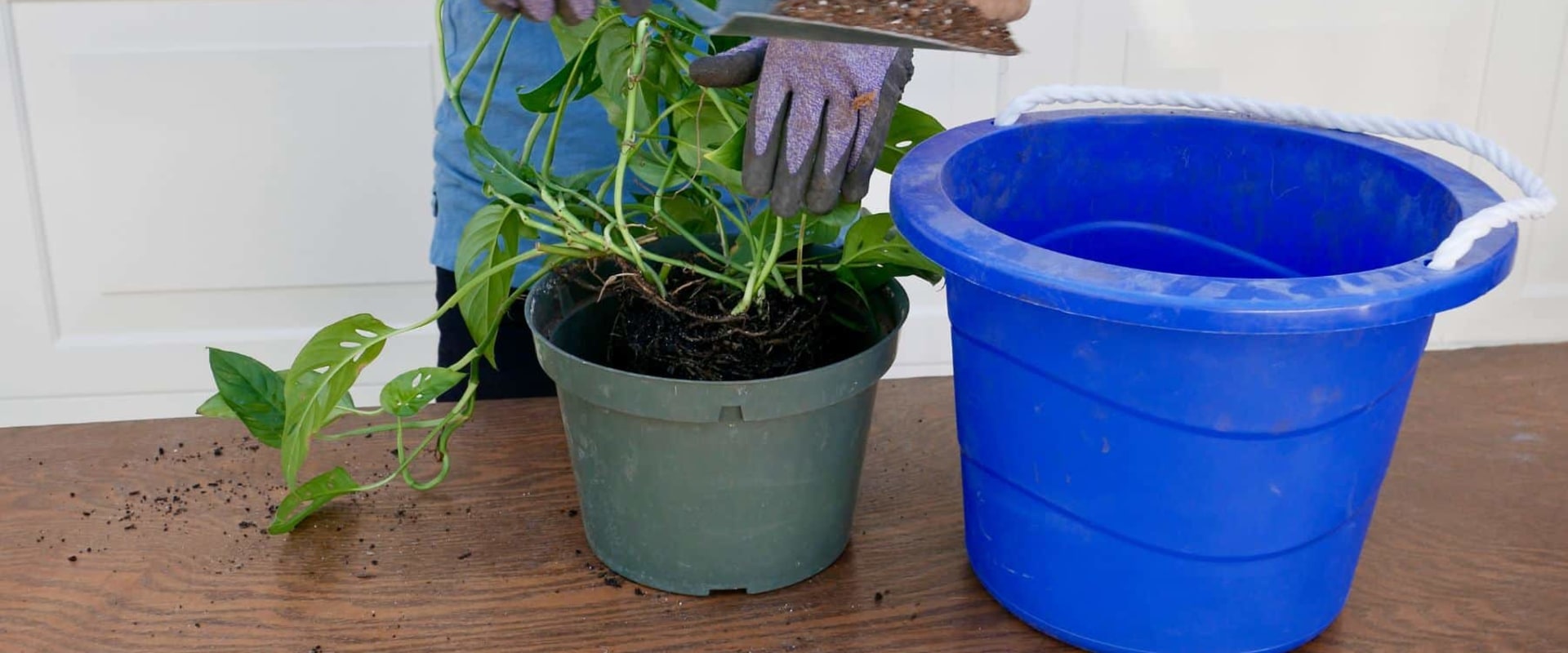
You can improve your indoor plant soil by:- Adding organic matter: Incorporate compost or worm castings to enhance nutrient content.
- Ensuring proper drainage: Mix in perlite or vermiculite to improve aeration and drainage.
- Avoiding compaction: Regularly aerate the soil to prevent it from becoming too compacted.
Conclusion: Nurturing Your Indoor Plants with the Right Soil
In conclusion, selecting the right soil is a fundamental aspect of indoor plant care that can significantly influence the health and vitality of your plants.Throughout this article, we have explored various soil types and their unique properties, emphasizing the importance of matching soil characteristics to the specific needs of your indoor plants. To recap, here are some key takeaways:
- Well-draining soil is essential for preventing root rot, which is a common issue in indoor gardening.
- Soil that retains moisture yet allows for adequate aeration is ideal for most houseplants.
- Consider using potting mixes that contain organic matter, such as peat moss or coconut coir, to provide essential nutrients.
- For specific plants, such as succulents or orchids, specialized mixes can enhance growth and overall health.