When it comes to indoor plant care, one of the most crucial yet often overlooked factors is humidity. Many plant enthusiasts focus on light, water, and soil quality, but the level of moisture in the air can significantly impact your plants' health. Understanding how humidity affects your indoor garden is essential for creating an environment where your plants can thrive. Plants naturally absorb moisture from their surroundings through tiny openings in their leaves, a process known as transpiration. If the air is too dry, this can lead to stress, causing symptoms such as browning leaf tips or stunted growth.
Conversely, excessive humidity can create a breeding ground for mold and pests, leading to further complications. Therefore, finding the right balance is key to maintaining optimal humidity levels for your indoor plants. In this section, we will explore the importance of humidity in relation to plant health and how it influences various aspects of indoor plant care. By understanding the signs of both too much and too little humidity, you can take proactive steps to ensure your plants receive the care they need to flourish. Whether you're a seasoned gardener or just starting out, recognizing the role of humidity will empower you to create a more nurturing environment for your green companions.
Signs Your Indoor Plant is Getting Too Much Humidity
Understanding the signs of too much humidity in your indoor plants is crucial for effective indoor plant care.Excessive moisture can lead to a variety of problems that may compromise the health of your plants. Here are some key symptoms to watch for:
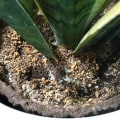
- Mold Growth: One of the most visible signs of high humidity is the appearance of mold on the soil surface or on the leaves. This can indicate that the environment is too damp, creating a breeding ground for fungal spores.
- Leaf Drop: If you notice that your plant is shedding leaves more frequently than usual, it could be a sign of stress due to excessive moisture. Leaves may turn yellow before falling off, indicating that the roots are struggling to absorb nutrients.
- Root Rot: Perhaps the most serious consequence of high humidity is root rot.
If you suspect this, check the roots for a mushy texture or a foul smell. Healthy roots should be firm and white, while rotting roots will appear dark and slimy.
- Wilting Leaves: Ironically, even with high humidity, plants can exhibit wilting leaves. This occurs when roots are unable to take up water effectively due to saturation, leading to dehydration at the leaf level.
Signs Your Indoor Plant is Getting Too Little Humidity
Understanding the signs of too little humidity is crucial for effective indoor plant care.When your plants are not receiving enough moisture in the air, they can exhibit several distress signals that indicate their need for a more humid environment.
- Browning Leaf Tips: One of the most common indicators of low humidity is the browning of leaf tips. If you notice that the edges of your plant's leaves are turning brown and crispy, it’s a clear sign that the air is too dry.
- Wilting Leaves: While wilting can also be a sign of overwatering, if your plant's leaves are drooping and soft, it may be struggling to retain moisture due to insufficient humidity levels.
- Stunted Growth: If your plant seems to have stopped growing or is producing smaller leaves than usual, it could be a result of low humidity. Plants require adequate moisture to thrive and develop properly.
- Leaf Drop: Sudden leaf drop can occur when plants are stressed from low humidity. If you find leaves falling off unexpectedly, it’s time to assess the humidity levels in your home.
- Use a Humidifier: Placing a humidifier in the room where your plants are located can significantly increase moisture levels in the air.
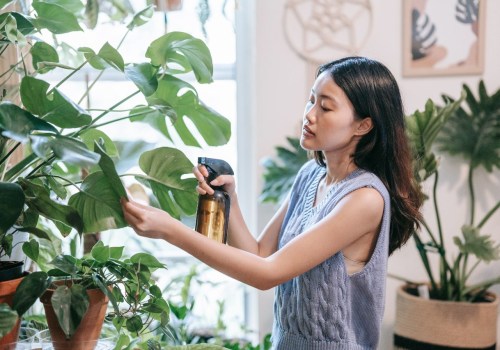
- Misting: Regularly misting your plants can provide an immediate boost in humidity.
However, be cautious not to overdo it, as excessive moisture on leaves can lead to fungal issues.
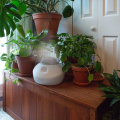
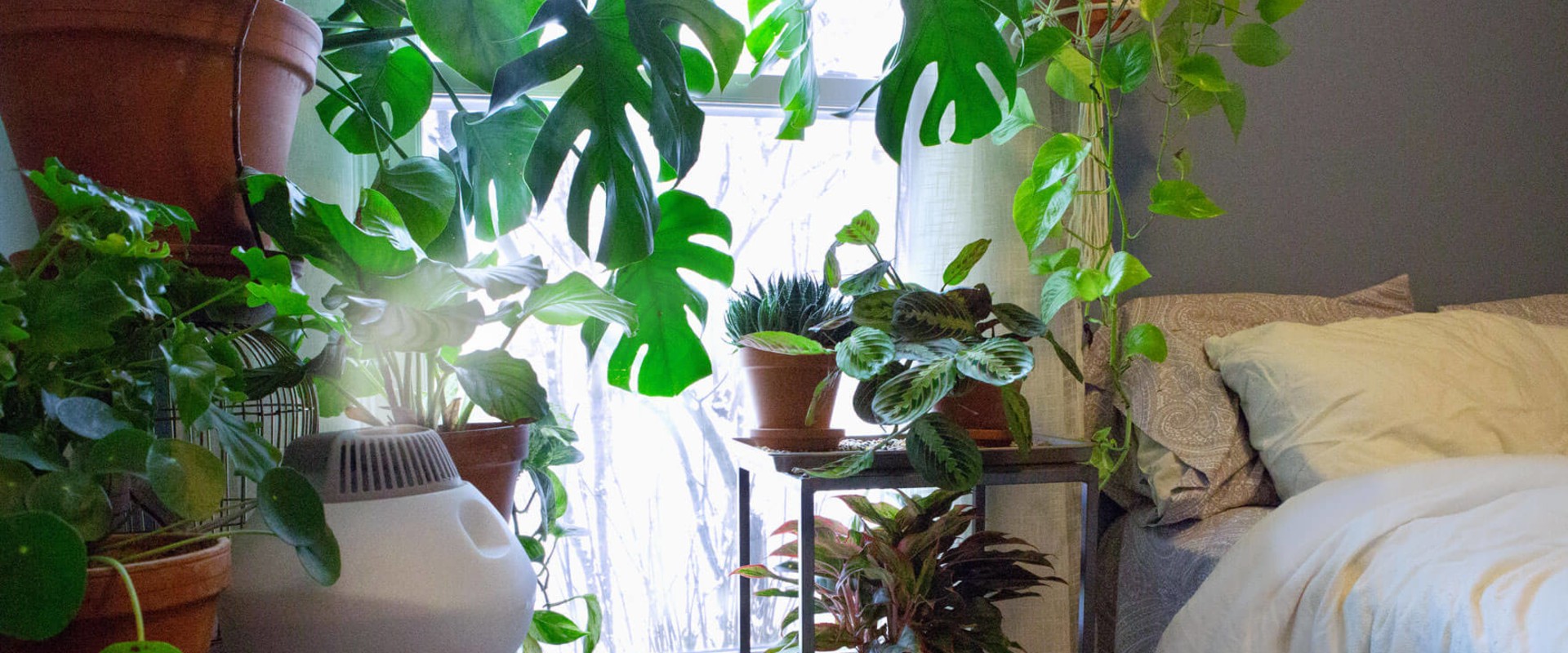
- Group Plants Together: By clustering your plants, you create a microenvironment with higher humidity as they release moisture into the air.
- Pebble Trays: Placing pots on trays filled with pebbles and water can help increase humidity around your plants as the water evaporates.
How to Measure Humidity Levels for Indoor Plants
To ensure your indoor plants thrive, accurately measuring humidity levels is essential. Here are some effective methods to gauge the moisture in the air:Using a Hygrometer
A hygrometer is a specialized tool designed to measure humidity levels in your home. These devices come in various forms, including digital and analog models. When selecting a hygrometer, look for one that provides accurate readings and is easy to read.Place the hygrometer near your plants, ideally at the height of the foliage, and check the readings regularly.
DIY Methods
If you don’t have a hygrometer on hand, there are simple DIY methods to estimate humidity:- The Glass Method: Fill a glass with water and place it in the room with your plants. If condensation forms on the outside of the glass, it indicates higher humidity levels.
- The Soil Test: Check the moisture level of your plant's soil. If it feels dry several inches down, it may indicate low humidity.
Monitoring Plant Behavior
Your plants can also provide clues about humidity levels.Pay attention to their leaves:
- Curling Leaves: If leaves are curling inward, it may be a sign of low humidity.
- Mold Growth: Conversely, if you notice mold on the soil surface or leaves, it could indicate excessive humidity.
Ideal Humidity Levels for Common Indoor Plants
Understanding the ideal humidity levels for your indoor plants is crucial for their health and vitality. Different plants have varying humidity requirements, and knowing these can help you create the perfect environment for them. Here are some common indoor plants and their preferred humidity levels:- Ferns: These lush plants thrive in high humidity, ideally between 60% to 80%. Regular misting or a pebble tray can help maintain the necessary moisture.
- Peace Lily: This popular houseplant prefers humidity levels around 40% to 60%.
If the air is too dry, you may notice browning leaf tips.
- Spider Plant: Spider plants are quite adaptable but do best in 40% to 50% humidity. They can tolerate lower levels but may not grow as vigorously.
- Pothos: This hardy plant enjoys moderate humidity, ideally around 40% to 70%. It’s forgiving of less-than-ideal conditions, making it a great choice for beginners.
- Orchids: Most orchids thrive in high humidity, typically between 50% to 70%. Using a humidifier or placing them in a bathroom can help meet their needs.
Adjusting your environment with humidifiers or by grouping plants together can create a microclimate that benefits all your greenery. By tailoring your indoor plant care routine to meet these specific humidity needs, you can promote healthier growth and prevent common issues such as leaf drop or browning edges.
Tips for Maintaining Optimal Humidity for Indoor Plants
Maintaining the right humidity levels is crucial for the health of your indoor plants. Here are some effective tips to help you achieve optimal humidity:- Use a Humidifier: One of the most efficient ways to increase humidity is by using a humidifier. Place it near your plants to create a microclimate that mimics their natural habitat. This is especially beneficial during dry winter months.
- Group Your Plants: By clustering your indoor plants together, you can create a more humid environment.
As plants transpire, they release moisture into the air, which can help maintain higher humidity levels in their immediate vicinity.
- Misting: Regularly misting your plants can provide a quick boost in humidity. Use a spray bottle to lightly mist the leaves, but be cautious not to overdo it, as excessive moisture can lead to mold growth.
- Pebble Trays: Fill a shallow tray with pebbles and water, then place your plant pots on top. As the water evaporates, it will increase the humidity around the plants without making their roots soggy.
- Monitor Humidity Levels: Invest in a hygrometer to keep track of the humidity levels in your home. Most indoor plants thrive in humidity levels between 40% and 60%.
Adjust your methods accordingly if you find the levels are too low or too high.
Frequently Asked Questions About Humidity and Indoor Plants
Understanding the humidity needs of your indoor plants is crucial for their health and growth. Here are some frequently asked questions that can help you navigate this aspect of indoor plant care.- What is the ideal humidity level for indoor plants?
Most indoor plants thrive in humidity levels between 40% and 60%. However, tropical plants may prefer higher humidity, around 60% to 80%. - How can I tell if my plant is getting too much humidity?
Signs of excessive humidity include mold growth on the soil surface, yellowing leaves, and a musty smell. If you notice these symptoms, consider improving air circulation or reducing watering. - What are the signs of low humidity in indoor plants?
Common indicators of low humidity include brown leaf tips, wilting, and leaf drop.If your plant exhibits these symptoms, it may benefit from a humidifier or regular misting.
- Can I use a hygrometer to measure humidity?
Yes! A hygrometer is an excellent tool for measuring indoor humidity levels. Keeping track of these levels can help you adjust your plant care routine accordingly. - How can I increase humidity for my indoor plants?
There are several methods to boost humidity:- Group plants together to create a microclimate.
- Use a pebble tray filled with water beneath your pots.
- Invest in a humidifier for larger spaces.
- Mist your plants regularly, especially during dry seasons.
Conclusion: Ensuring Your Indoor Plants Thrive with Proper Humidity Care
In conclusion, maintaining the right humidity levels is crucial for the health and vitality of your indoor plants. As we have discussed, both excessive and insufficient humidity can lead to a range of issues, from leaf drop to mold growth.By understanding the specific needs of your plants and regularly monitoring the humidity in your home, you can create an optimal environment for them to thrive.Here are some key takeaways to ensure your indoor plants receive the proper humidity care:
- Know Your Plants: Different species have varying humidity requirements. Research the specific needs of your indoor plants to tailor your care accordingly.
- Monitor Humidity Levels: Use a hygrometer to keep track of the humidity in your home. Aim for levels between 40% and 60% for most houseplants.
- Adjust as Needed: If you find that your indoor air is too dry, consider using a humidifier or placing water trays near your plants. Conversely, if humidity is too high, ensure proper ventilation and avoid overwatering.
- Observe Plant Responses: Pay attention to signs of stress in your plants.
Yellowing leaves or wilting can indicate low humidity, while mold or mildew may suggest excess moisture.