When it comes to indoor plant care, one often overlooked aspect is the cleaning of plant leaves. Many plant owners may not realize that dust, dirt, and other pollutants can accumulate on the leaves of their indoor plants, hindering their ability to photosynthesize effectively. This buildup not only affects the aesthetic appeal of your greenery but can also lead to a decline in the overall health of the plant. Cleaning the leaves of your indoor plants is crucial for several reasons. Firstly, it allows for better light absorption, which is essential for photosynthesis.
When leaves are covered in dust, they cannot absorb sunlight efficiently, leading to stunted growth and weakened plants. Secondly, clean leaves are less susceptible to pests and diseases. Dust can attract unwanted insects and create a breeding ground for mold and mildew, which can quickly spread and damage your plants. Moreover, maintaining clean leaves contributes to a healthier indoor environment. Plants play a vital role in improving air quality by filtering toxins and releasing oxygen.
By ensuring that your plants are clean, you enhance their ability to purify the air in your home. In essence, regular leaf cleaning is not just a cosmetic task; it is an integral part of indoor plant care that promotes vitality and longevity in your beloved houseplants.
When to Clean Your Indoor Plant Leaves
Cleaning the leaves of your indoor plants is an essential part of indoor plant care, but knowing when to do it can significantly impact your plants' health. Here are some key considerations for determining the optimal times for cleaning.Seasonal Considerations
Generally, the best time to clean your indoor plant leaves is during the growing season, which typically spans from spring to early fall. During this period, plants are actively photosynthesizing and can benefit from clean leaves that allow for maximum light absorption.Cleaning during this time can also help prevent dust buildup that can hinder growth.
Frequency of Cleaning
The frequency of cleaning your plant leaves depends on several factors, including:- Location: If your plants are near a window or in a dusty environment, you may need to clean them more often.
- Type of Plant: Some plants, like those with broad leaves, may require more frequent cleaning compared to those with smaller or waxy leaves.
- Humidity Levels: In drier conditions, dust can accumulate more quickly, necessitating more regular cleaning.
Signs Your Plants Need Cleaning
It's important to be observant of your plants. Here are some signs that indicate it’s time for a cleaning:- Dull Leaves: If the leaves appear dull or dusty, it’s a clear sign they need attention.
- Pest Presence: If you notice pests like spider mites or aphids, cleaning the leaves can help remove them and prevent infestations.
- Reduced Growth: If your plant seems to be growing slower than usual, dirty leaves could be blocking sunlight and affecting photosynthesis.
Tools and Supplies Needed for Leaf Cleaning
Cleaning the leaves of your indoor plants is essential for their health and vitality. To do this effectively, having the right tools and supplies is crucial. Below is a comprehensive list of items you will need to ensure your indoor plant care routine is both efficient and effective.- Soft Cloths or Microfiber Rags: These are ideal for gently wiping down leaves without causing damage.
Microfiber cloths are particularly effective as they trap dust and dirt.
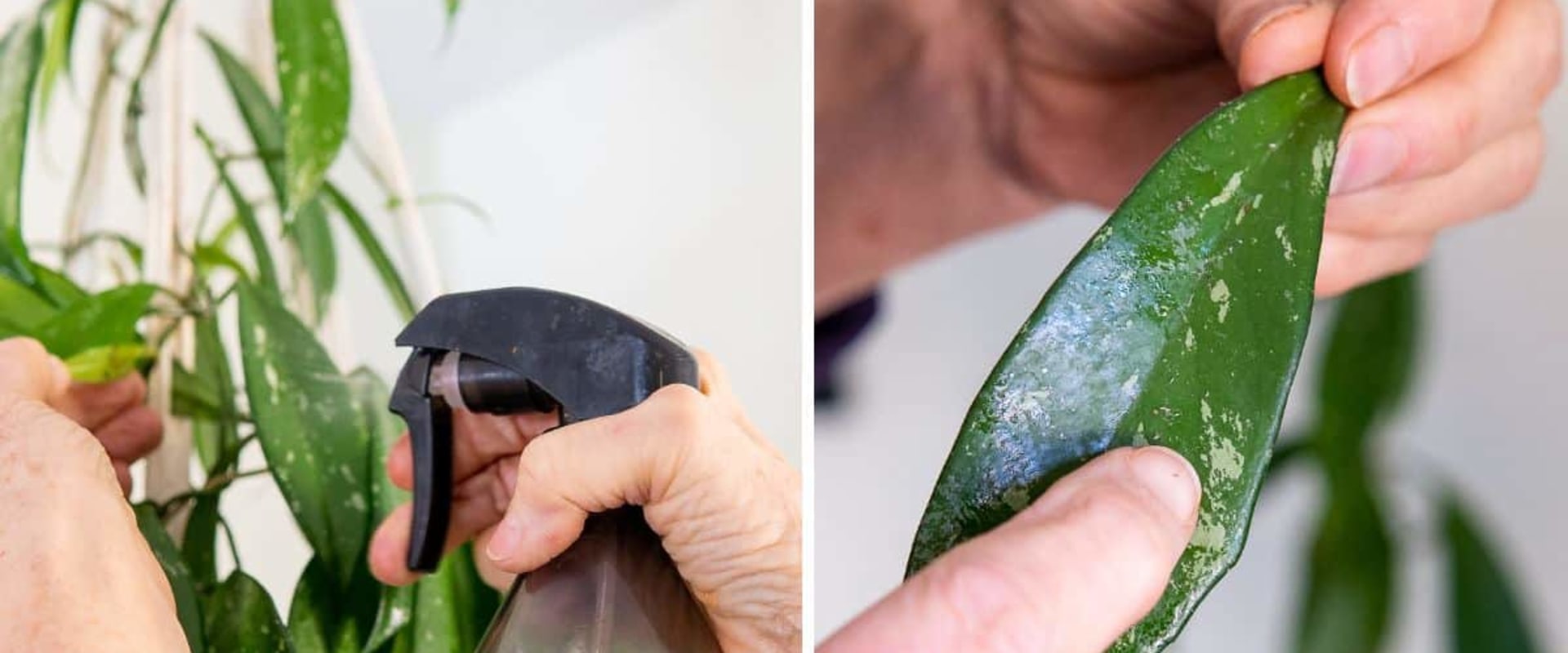
- Spray Bottle: A spray bottle filled with water can help mist the leaves, making it easier to remove dust and providing moisture to the plant.
- Plant Cleaning Solution: For tougher grime, consider using a gentle, plant-safe cleaning solution. Look for products specifically designed for plant care that are free from harsh chemicals.
- Soft-Bristled Brush: A small brush can be useful for reaching into crevices or cleaning textured leaves. Choose a brush with soft bristles to avoid scratching the surface.
- Bucket or Basin: If you have larger plants, a bucket or basin can be used to soak the leaves in water, helping to loosen dirt before wiping them down.
- Cotton Swabs: For intricate plants with small leaves or hard-to-reach areas, cotton swabs can be an excellent tool for detailed cleaning.
By using the right tools, you can maintain the beauty and health of your indoor plants, ensuring they thrive in your home environment.
Step-by-Step Guide to Cleaning Indoor Plant Leaves
Cleaning the leaves of your indoor plants is an essential part of indoor plant care. Dust and debris can accumulate on the leaves, hindering their ability to photosynthesize effectively. Here’s a step-by-step guide to help you clean your indoor plant leaves efficiently.- Gather Your Supplies: Before you start, make sure you have the following items:
- Soft cloth or sponge
- Water
- Mild soap (optional)
- Spray bottle (optional)
- Choose the Right Time: It’s best to clean your plants during the early morning or late afternoon when they are not under direct sunlight. This prevents any potential leaf burn.
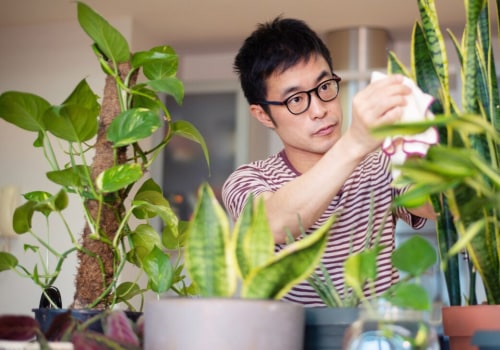
- Dusting Off: For light dust, simply use a soft, dry cloth or a feather duster.
Gently wipe each leaf, starting from the base and moving towards the tip. This method is effective for most plants.
- Washing Leaves: If your plants are particularly dirty, fill a bowl or sink with lukewarm water. You can add a few drops of mild soap if desired. Submerge the leaves gently and swish them around to remove dirt.
Rinse with clean water afterward.
- Using a Spray Bottle: For larger plants, consider using a spray bottle filled with water. Lightly mist the leaves and wipe them down with a soft cloth. This method is less invasive and can be done more frequently.
- Drying: After cleaning, allow the leaves to air dry completely before placing them back in their original spot. This helps prevent mold growth.
Regular cleaning not only enhances their appearance but also promotes better growth and longevity.
Different Methods for Cleaning Leaves
Keeping the leaves of your indoor plants clean is essential for their health and vitality. Dust and debris can block sunlight and hinder photosynthesis, so regular cleaning is a must. Here are some effective methods to clean your indoor plant leaves:- Water Rinse: One of the simplest ways to clean leaves is by rinsing them under lukewarm water. This method works well for most plants.
Gently hold the plant over a sink and let the water flow over the leaves, ensuring you remove any dust or dirt.
- Soft Cloth Wipe: For plants with larger leaves, using a soft, damp cloth can be very effective. Moisten the cloth with water or a mild soap solution, then gently wipe each leaf. This method allows you to pay attention to each leaf's surface without damaging it.
- Natural Solutions: If you prefer natural cleaning methods, consider using a mixture of water and a few drops of dish soap or vinegar. This solution can help break down grime while being gentle on the plant.
Just be sure to rinse the leaves afterward to remove any residue.
- Commercial Leaf Shine Products: There are various commercial products available specifically designed for cleaning plant leaves. These products often contain natural ingredients that not only clean but also add a protective layer to the leaves, enhancing their shine.
- Insecticidal Soap: If your plants are suffering from pests, using insecticidal soap can serve a dual purpose. It cleans the leaves while also helping to eliminate unwanted insects. Be sure to follow the instructions carefully to avoid harming your plant.
Regular maintenance will keep your indoor plants looking vibrant and healthy.
Common Mistakes to Avoid When Cleaning Plant Leaves
Cleaning the leaves of your indoor plants is essential for their health, but there are several common mistakes that can hinder their growth or even cause damage. Understanding what not to do is just as important as knowing the right techniques.- Using Harsh Chemicals: One of the biggest mistakes is using chemical cleaners or soaps that are not specifically designed for plants. These can leave residues that harm the plant or disrupt its natural processes. Always opt for gentle, plant-safe solutions.
- Over-Wetting Leaves: While it’s important to remove dust and debris, soaking the leaves can lead to fungal issues.
Ensure you use a damp cloth rather than saturating the leaves with water.
- Ignoring Leaf Type: Different plants have different leaf textures and needs. For instance, fuzzy leaves like those of African violets require a gentler approach compared to smooth-leaved plants. Always consider the specific care requirements of your plant.
- Cleaning in Direct Sunlight: Cleaning your plants in direct sunlight can cause leaf burn, especially if they are wet. It’s best to clean them in a shaded area or during the early morning or late afternoon.
- Neglecting Regular Maintenance: Waiting too long between cleanings can lead to a buildup of dust and grime, making it harder to clean effectively.
Regular maintenance is key to keeping your plants healthy.
FAQs About Cleaning Indoor Plant Leaves
Cleaning the leaves of your indoor plants is essential for their health and vitality. Here are some frequently asked questions that can help you maintain clean and vibrant foliage.Why is it important to clean indoor plant leaves?
Dust and debris can accumulate on the leaves of your indoor plants, blocking sunlight and hindering photosynthesis. Regular cleaning not only enhances the plant's appearance but also promotes better growth and overall health.How often should I clean my indoor plant leaves?
It’s recommended to clean your indoor plant leaves every 2-4 weeks, depending on the environment.If you have pets or live in a dusty area, you may need to clean them more frequently.
What is the best method for cleaning plant leaves?
- Soft cloth method: Use a damp, soft cloth to gently wipe each leaf. This method is effective for most plants and helps remove dust without damaging the leaves.
- Shower method: For larger plants, consider taking them to the shower. Use lukewarm water to rinse off dust and dirt, ensuring that the water pressure is gentle.
- Leaf shine products: While some people use commercial leaf shine products, it’s best to avoid them as they can clog pores. Instead, a mixture of water and a few drops of mild soap can be effective.
Are there any plants that require special care when cleaning?
Yes, some plants like fuzzy-leaved varieties, such as African violets or certain types of begonias, should not be wiped with a damp cloth as this can damage their delicate leaves.Instead, use a soft brush or simply mist them with water.
Can I use vinegar or other household cleaners?
Avoid using vinegar or harsh household cleaners on your plants. These substances can harm the foliage. Stick to natural methods like water or mild soap solutions for safe cleaning.By following these tips and addressing common questions about leaf care, you can ensure your indoor plants remain healthy and beautiful.Conclusion: Keeping Your Indoor Plants Healthy and Clean
In conclusion, maintaining the cleanliness of your indoor plants is a crucial aspect of indoor plant care. Regularly cleaning the leaves not only enhances their aesthetic appeal but also promotes healthier growth and longevity.Dust and debris can accumulate on the leaves, obstructing sunlight and hindering photosynthesis, which is vital for your plants' overall health.By incorporating simple cleaning routines into your plant care regimen, you can ensure that your indoor plants thrive. Here are some key takeaways:
- Frequency of Cleaning: Aim to clean the leaves of your indoor plants every few weeks, or more often if they are in a dusty environment.
- Cleaning Methods: Use a damp cloth or sponge for gentle cleaning, and consider using a soft brush for plants with textured leaves.
- Watering Considerations: Be mindful of the watering schedule; over-watering can lead to mold growth on leaves, which cleaning can help prevent.
- Natural Solutions: For added benefits, consider using a diluted solution of neem oil or mild soap to clean the leaves, which can also deter pests.