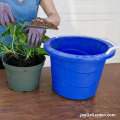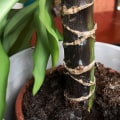
Understanding plant shock is essential for anyone engaged in indoor plant care. This phenomenon occurs when a plant experiences significant stress, often due to changes in its environment. Whether it’s a recent repotting, a sudden shift in temperature, or even a change in light conditions, these factors can disrupt a plant's normal functioning. Recognizing the signs of plant shock early can make all the difference in helping your indoor greenery bounce back. Common causes of plant shock include root disturbance during repotting, exposure to drafts or extreme temperatures, and inadequate watering practices.
For instance, if a plant is moved from a low-light area to direct sunlight too quickly, it may struggle to adapt, leading to symptoms such as wilting or yellowing leaves. Similarly, overwatering or underwatering can exacerbate stress levels, making it crucial for indoor gardeners to monitor their plants closely. By understanding the underlying causes of plant shock, you can take proactive steps to mitigate its effects. This knowledge not only empowers you as a caretaker but also enhances your ability to create a thriving indoor environment for your plants. In the following sections, we will explore effective strategies to help your indoor plants recover from shock and thrive once again.
Identifying Symptoms of Shock in Indoor Plants
Recognizing the symptoms of shock in your indoor plants is crucial for effective indoor plant care.When a plant undergoes shock, it may exhibit several signs that indicate stress and a need for immediate attention. Here are some common symptoms to look out for:
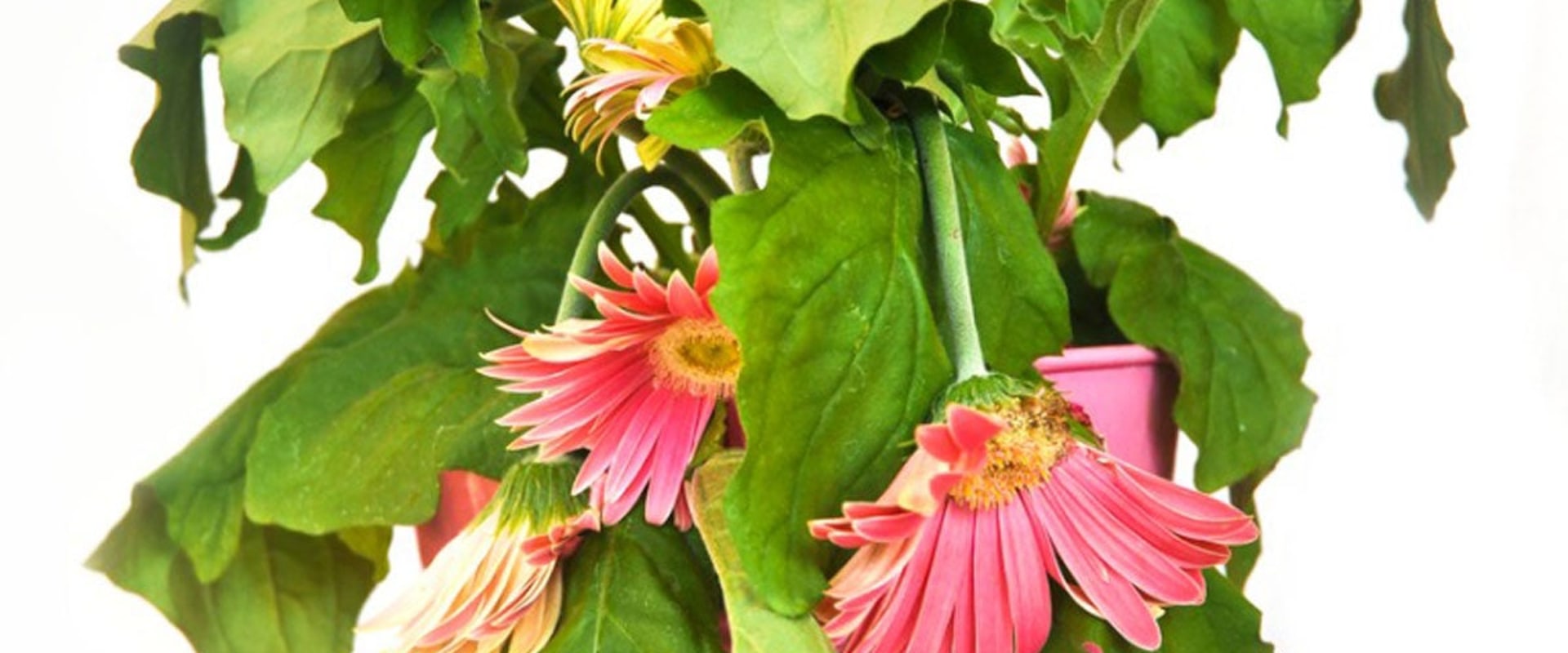
- Wilting Leaves: One of the first signs of shock is wilting. If the leaves appear droopy or limp, it may indicate that the plant is struggling to absorb water.
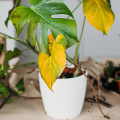
- Yellowing Leaves: A sudden change in leaf color, particularly yellowing, can signal distress. This may be due to overwatering, underwatering, or a sudden change in environment.
- Leaf Drop: If your plant starts shedding leaves, it’s a clear indication of stress.
This can happen when a plant is moved to a new location or experiences changes in temperature or humidity.
- Stunted Growth: A healthy indoor plant should show signs of growth. If you notice that your plant has stopped growing or is growing very slowly, it may be in shock.
- Brown Edges or Tips: Browning on the edges or tips of leaves can indicate that the plant is not receiving enough water or is exposed to too much direct sunlight.
Immediate Steps to Take After Identifying Shock
When you notice that your indoor plant is experiencing shock, taking immediate action is crucial for its recovery.Here are some essential steps to follow:
- Assess the Situation: Begin by examining the plant closely. Look for signs of shock such as wilting leaves, yellowing foliage, or stunted growth. Understanding the cause of the shock—whether it’s due to overwatering, underwatering, temperature fluctuations, or transplanting—will guide your next steps.
- Adjust Watering: If the plant is overwatered, allow the soil to dry out before watering again. Conversely, if it’s underwatered, give it a thorough drink but avoid soaking it completely.
Proper moisture levels are vital for recovery.
- Provide Optimal Light: Ensure your plant is receiving the right amount of light. If it’s been moved to a darker location or exposed to direct sunlight after being in shade, adjust its position gradually to prevent further stress.
- Humidity and Temperature: Maintain a stable environment. Most indoor plants thrive in humidity levels between 40-60%. If your home is dry, consider using a humidifier or placing a tray of water near the plant.
Keep the temperature consistent and avoid placing the plant near drafts or heat sources.
- Prune Damaged Leaves: Trim away any dead or severely damaged leaves. This not only improves the plant's appearance but also allows it to focus its energy on new growth.
- Avoid Fertilizing: Refrain from fertilizing until the plant shows signs of recovery. Fertilizers can stress a shocked plant further and hinder its ability to bounce back.
Optimal Watering Techniques for Shocked Plants
When an indoor plant experiences shock, optimal watering techniques become crucial for its recovery.Shock can occur due to various factors such as repotting, changes in light conditions, or pest infestations. Understanding how to water your plant correctly during this period can significantly enhance its chances of bouncing back.
Assessing Soil Moisture
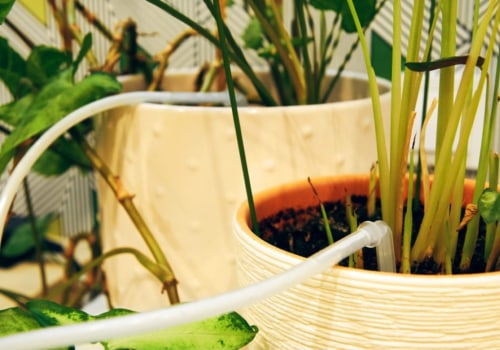
- Before watering, always check the moisture level of the soil. Insert your finger about an inch into the soil; if it feels dry, it’s time to water.
- Avoid overwatering, as this can lead to root rot and further stress. The goal is to keep the soil consistently moist but not soggy.
Watering Frequency
- During recovery, it’s essential to water your plant less frequently than usual.
This allows the roots to adjust without being overwhelmed.
- Typically, watering every 7-10 days is sufficient, but this can vary based on the plant species and environmental conditions.
Water Quality
- Use room temperature water to avoid shocking the roots further. Cold water can stress a recovering plant.
- If possible, use distilled or rainwater, as tap water may contain chemicals that could hinder recovery.
Watering Technique
- When watering, do so slowly and evenly around the base of the plant. This encourages deep root growth and ensures that all parts of the root system receive moisture.
- Avoid getting water on the leaves, as this can promote fungal diseases, especially in stressed plants.
Creating a Suitable Environment for Recovery
When an indoor plant is recovering from shock, creating a suitable environment is crucial for its healing process.This involves adjusting light conditions and humidity levels to foster a supportive atmosphere.
Light Conditions for Recovery
Light plays a vital role in the recovery of indoor plants. After experiencing shock, it’s essential to provide the right amount of light without overwhelming the plant. Here are some tips:- Indirect Light: Place your plant in a location where it receives bright, indirect sunlight. Direct sunlight can be too harsh and may exacerbate stress.
- Gradual Exposure: If your plant was previously in low light, gradually increase its exposure to brighter conditions over several days to prevent further shock.
- Monitor Growth: Keep an eye on the plant’s response to light.
If you notice yellowing leaves or stunted growth, consider adjusting its position.
Humidity Levels for Plants
Humidity is another critical factor in helping your indoor plant recover. Many houseplants thrive in higher humidity levels, which can aid in their healing:- Humidity Meters: Use a hygrometer to measure the humidity levels in your home. Most indoor plants prefer humidity levels between 40% and 60%.
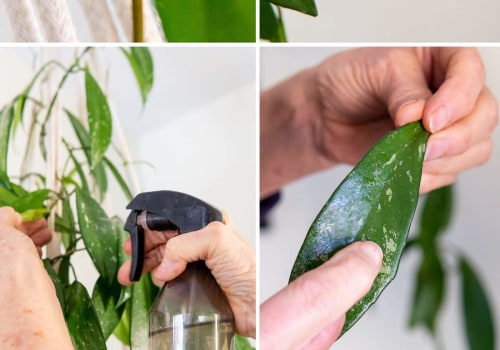
- Misting: Lightly misting the leaves can help increase humidity around the plant. However, avoid over-misting as this can lead to fungal issues.
- Humidity Trays: Place a tray filled with water and pebbles beneath the pot.
As the water evaporates, it will create a humid microclimate around the plant.
Nutrient Management During Recovery
When an indoor plant experiences shock, managing its nutrient intake becomes crucial for recovery.Fertilizing shocked plants
requires a delicate balance, as over-fertilization can exacerbate stress and hinder the healing process.Initially, it’s important to assess the plant's condition before introducing any fertilizers. If the plant is showing signs of severe shock, such as wilting or yellowing leaves, it may be best to hold off on fertilization until it begins to stabilize. Once the plant shows signs of recovery, you can gradually reintroduce nutrients.Choosing the Right Nutrients
For indoor plant care, focus on providing essential nutrients that support recovery:- Nitrogen: Promotes leaf growth and overall vigor.
- Phosphorus: Aids in root development and flowering.
- Potassium: Enhances overall plant health and resistance to stress.
A diluted solution (about half the recommended strength) can provide necessary nutrients without overwhelming the plant. Apply this solution every 4-6 weeks during the recovery phase.
Avoiding Over-Fertilization
Recovery nutrients for plants should be administered with caution. Signs of over-fertilization include burnt leaf tips, stunted growth, and salt buildup in the soil. To prevent these issues:- Monitor your plant closely after fertilizing.
- Flush the soil with water if you suspect nutrient buildup.
- Consider using organic fertilizers, which release nutrients more slowly and reduce the risk of shock.
By carefully selecting and applying fertilizers, you can support their healing process while avoiding potential setbacks caused by over-fertilization.
When to Seek Professional Help for Your Indoor Plant
Recognizing when your indoor plant needs professional help is crucial for its recovery. While many issues can be resolved with basic indoor plant care, some situations may require the expertise of a plant specialist.Signs Your Plant Needs Professional Attention
- Severe Leaf Discoloration: If your plant's leaves are turning yellow, brown, or black and this change is rapid, it may indicate a serious underlying issue.
- Persistent Wilting: If your plant remains wilted despite proper watering and care, it could be suffering from root rot or other severe conditions.
- Unusual Growth Patterns: Stunted growth or leggy stems can signal that your plant is not receiving the right nutrients or light conditions.
- Pest Infestation: If you notice an overwhelming number of pests that you cannot control with home remedies, it’s time to call in a professional.
- Mold or Fungal Growth: The presence of mold on the soil surface or leaves can indicate a serious problem that may require expert intervention.
When to Call a Plant Expert
If you observe any of the signs mentioned above and your attempts at recovery have failed, it’s advisable to seek professional help. A plant expert can provide a thorough diagnosis and recommend specific treatments tailored to your plant's needs.
Options for Professional Help
- Local Nurseries: Many local nurseries offer consultation services where experienced staff can assess your plant's condition.
- Plant Care Services: Some companies specialize in indoor plant care and can provide on-site assessments and treatments.
- Online Plant Experts: There are numerous online platforms where you can consult with horticulturists who can guide you through the recovery process.
Frequently Asked Questions About Indoor Plant Care and Shock Recovery
When it comes to indoor plant care, understanding how to help your plants recover from shock is crucial.Here are some frequently asked questions that can guide you through the recovery process:
- What are the signs of plant shock? Common signs include yellowing leaves, wilting, stunted growth, and leaf drop. If you notice these symptoms, your plant may be experiencing shock.
- How long does it take for a plant to recover from shock? The recovery time can vary depending on the type of plant and the severity of the shock. Generally, it can take anywhere from a few days to several weeks.
- What should I do immediately after my plant shows signs of shock? First, assess the situation. Ensure that your plant is in a suitable environment with appropriate light and temperature.
Avoid repotting or moving it too much during this time.
- Can I fertilize my plant while it’s recovering? It’s best to wait until your plant shows signs of new growth before applying fertilizer. Fertilizing too soon can stress the plant further.
- How can I prevent future shock? To minimize the risk of shock, gradually acclimate your plants to new environments, avoid sudden changes in watering schedules, and ensure they are not exposed to drafts or extreme temperatures.
Conclusion: Key Takeaways for Reviving Your Indoor Plants
Reviving an indoor plant from shock requires a combination of timely intervention and consistent care. Here are the key takeaways to ensure your plants bounce back:- Assess the Situation: Identify the cause of shock, whether it’s due to transplanting, environmental changes, or pest infestations. Understanding the root cause is crucial for effective recovery.
- Provide Optimal Conditions: Ensure your plant is in a suitable environment.
This includes maintaining appropriate light levels, temperature, and humidity. A stable environment can significantly reduce stress on your plant.
- Water Wisely: Overwatering or underwatering can exacerbate shock. Check the soil moisture before watering, and ensure proper drainage to prevent root rot.
- Avoid Fertilizing Immediately: While nutrients are essential, fertilizing a shocked plant can lead to further stress. Wait until the plant shows signs of recovery before introducing fertilizers.
- Be Patient: Recovery takes time.
Monitor your plant closely for signs of new growth, which indicates that it is adapting to its environment.
- Consider Repotting: If the shock is severe and the roots are damaged, repotting in fresh soil may be necessary. Choose a pot that allows for adequate drainage and space for growth.