Understanding the importance of sunlight for indoor plants is essential for anyone looking to cultivate a thriving indoor garden. Sunlight is not just a source of light; it plays a pivotal role in the process of photosynthesis, which is how plants convert light energy into chemical energy. This process is fundamental for plant growth, as it enables them to produce the food they need to survive and flourish. Without adequate sunlight, even the most resilient indoor plants can struggle, leading to stunted growth and poor health. Moreover, the health of your indoor plants is closely tied to their exposure to light.
Different species have varying light requirements, and understanding these needs can make all the difference in your plant care routine. For instance, some plants thrive in bright, direct sunlight, while others prefer indirect light or even shade. Recognizing these differences is crucial for ensuring that your plants receive the right amount of light, which in turn affects their overall vitality and aesthetic appeal. In addition to promoting growth, sufficient sunlight also influences other factors such as flowering and leaf development. Plants that receive the right amount of light are more likely to produce vibrant blooms and lush foliage.
Therefore, assessing your indoor environment and making adjustments to optimize light exposure can significantly enhance your indoor gardening experience. By prioritizing sunlight in your indoor plant care strategy, you set the foundation for a healthy and beautiful indoor garden.
Signs Your Indoor Plant is Getting Enough Sunlight
Understanding whether your indoor plant is receiving enough sunlight is crucial for its health and growth. Here are some visual and physical signs that indicate your plant is thriving in its light conditions:- Vibrant Leaf Color: Healthy indoor plants typically exhibit rich, vibrant colors. If the leaves are bright green, it’s a good sign that they are getting adequate sunlight.
Conversely, yellowing leaves may indicate insufficient light.
- New Growth: Look for signs of new growth, such as fresh leaves or stems. A plant that is producing new growth is likely receiving the right amount of sunlight.
- Leaf Orientation: Observe how the leaves are positioned. If they are reaching towards the light source, this is a clear indicator that your plant is seeking more sunlight. This behavior is known as phototropism.
- Sturdy Stems: Healthy plants have strong, upright stems.
If the stems appear leggy or stretched out, it may be a sign that the plant is not getting enough light and is stretching towards the light source.
- Flowering: For flowering indoor plants, blooming can be a strong indicator of sufficient sunlight. If your plant produces flowers regularly, it’s likely thriving in its light environment.
Common Signs of Insufficient Sunlight
Understanding the common signs of insufficient sunlight is crucial for effective indoor plant care.When your plants are not receiving enough light, they can exhibit several symptoms that indicate distress. Recognizing these signs early can help you take corrective action to ensure your plants thrive.
- Leggy Growth: One of the most noticeable signs is leggy growth, where the stems of the plant become elongated and spindly as they reach for light. This often results in a weak structure that can be prone to breakage.
- Pale or Yellowing Leaves: If the leaves of your indoor plants start to turn pale or yellow, it may indicate that they are not getting enough sunlight. Healthy leaves should be vibrant and rich in color.
- Leaf Drop: Insufficient light can cause plants to shed their leaves as a survival mechanism.
If you notice leaves falling off, especially older ones, it could be a sign that your plant is struggling.
- Slow Growth: A significant reduction in growth rate is another indicator. If your plant seems stagnant and is not producing new leaves or stems, it may be time to reassess its light conditions.
- Stunted Development: Some plants may fail to reach their expected size or shape when deprived of adequate sunlight. This stunted development can affect flowering and overall health.
How to Measure Sunlight Exposure for Your Indoor Plants
Understanding how to measure sunlight exposure for your indoor plants is crucial for effective indoor plant care.Here are some practical methods and tools to help you assess the light conditions in your home.
Using a Light Meter
A light meter is an excellent tool for accurately measuring the amount of light your plants receive. These devices can quantify light in foot-candles or lux, providing a clear picture of your indoor environment. To use a light meter:- Position the meter at the height of your plant's leaves.
- Take readings at different times of the day to account for variations in sunlight.
- Compare the readings to the light requirements of your specific plants.
Observing Plant Behavior
Your plants can also give you clues about their light needs. Look for these signs:- Leggy Growth: If your plant is stretching towards the light, it may not be getting enough.
- Leaf Color Changes: Yellowing leaves can indicate too much direct sunlight, while dark green leaves may suggest insufficient light.
- Slow Growth: A lack of adequate sunlight can lead to stunted growth.
Sunlight Exposure Tips
To optimize sunlight exposure for your indoor plants, consider these tips:- Rotate Your Plants: Regularly rotate your pots to ensure all sides receive equal light exposure.
- Choose the Right Location: Place plants near windows that receive indirect sunlight, especially during peak hours.
- Use Sheer Curtains: If direct sunlight is too intense, sheer curtains can diffuse the light without blocking it completely.
Best Locations for Indoor Plants Based on Sunlight Needs
Finding the best locations for your indoor plants is crucial for their health and growth.Different plants have varying light requirements, and understanding these needs will help you create an optimal environment.
Light Requirements by Plant Type
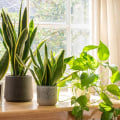
- Low-Light Plants: Plants like snake plants and ZZ plants thrive in low-light conditions. Place them in corners or rooms with minimal natural light.
- Medium-Light Plants: Varieties such as pothos and peace lilies prefer indirect sunlight. A spot near a north-facing window or a few feet away from a south-facing window works well.
- High-Light Plants: Succulents and cacti need bright, direct sunlight. Position them on windowsills that receive full sun for several hours a day, preferably south or west-facing windows.
Placement Tips
- Observe Sunlight Patterns: Take note of how sunlight moves through your home during the day.
This will help you identify areas that receive the most light.
- Avoid Drafts: Keep plants away from drafty windows or doors, as sudden temperature changes can stress them.
- Use Sheer Curtains: If your plants are in direct sunlight, consider using sheer curtains to diffuse the light, preventing leaf burn while still providing adequate brightness.
- Rotate Your Plants: To ensure even growth, rotate your plants every few weeks so all sides receive equal exposure to light.
Adjusting Light Conditions for Your Indoor Plants
To ensure your indoor plants thrive, adjusting light conditions is crucial. Here are some effective strategies to improve light exposure:Improving Light Conditions
First, assess the natural light available in your space. If your plants are not receiving adequate sunlight, consider relocating them to a brighter area.South-facing windows typically provide the most light, while north-facing windows offer the least. If moving your plants isn’t an option, you can enhance their light conditions by:
- Using reflective surfaces: Place mirrors or white walls near your plants to reflect and amplify natural light.
- Pruning: Regularly trim any overgrown leaves that may block sunlight from reaching other parts of the plant.
Artificial Lighting Options
If natural light is insufficient, artificial lighting can be a game-changer. Here are some popular options:- LED grow lights: These energy-efficient lights emit the full spectrum of light that plants need for photosynthesis.
- Fluorescent lights: Ideal for low-light plants, these bulbs are affordable and effective for indoor gardening.
Rotating Plants for Even Exposure
An often-overlooked aspect of indoor plant care is rotating your plants regularly.This practice ensures that all sides of the plant receive equal sunlight, promoting balanced growth. Aim to rotate your plants every couple of weeks, especially if they are leaning towards the light source. This simple adjustment can significantly enhance their overall health and appearance. By implementing these strategies, you can create an optimal environment for your indoor plants, ensuring they receive the right amount of light for healthy growth.
Frequently Asked Questions About Indoor Plant Sunlight Needs
Understanding the sunlight needs of your indoor plants is crucial for their health and growth.Here are some frequently asked questions regarding indoor plant care and sunlight:
- How can I tell if my plant is getting enough sunlight?
Look for signs such as stunted growth, yellowing leaves, or leggy stems. If your plant is stretching towards the light source, it may not be receiving adequate sunlight. - What type of light do indoor plants need?
Most indoor plants thrive in indirect sunlight. However, some may require bright, direct light, while others prefer low-light conditions. Research your specific plant type to determine its needs. - Can I use artificial light for my indoor plants?
Yes! Many indoor gardeners use grow lights to supplement natural light.Ensure that the light mimics the spectrum of sunlight and is placed at an appropriate distance from the plants.
- How often should I rotate my plants?
To ensure even growth, it’s a good idea to rotate your plants every few weeks. This helps all sides receive equal exposure to sunlight. - What should I do if my plant is not getting enough light?
If you notice signs of insufficient light, consider moving your plant closer to a window or investing in a grow light. Additionally, you can prune any dead or yellowing leaves to encourage new growth.
Conclusion: Ensuring Your Indoor Plants Thrive with Proper Sunlight Care
In conclusion, understanding the sunlight needs of your indoor plants is crucial for their overall health and vitality. By recognizing the signs that indicate whether your plants are receiving adequate light, you can make informed decisions to enhance their growth and longevity. To recap, here are some key points to consider:- Observe Leaf Color: Healthy indoor plants typically have vibrant green leaves.
If you notice yellowing or browning, it may be a sign of insufficient light.
- Monitor Growth Patterns: Plants that are stretching towards a light source may not be getting enough sunlight. This phenomenon, known as etiolation, can lead to weak and leggy growth.
- Consider Plant Type: Different species have varying light requirements. Familiarize yourself with the specific needs of your indoor plants to ensure they thrive.
- Utilize Light Meters: For a more precise assessment, consider using a light meter to measure the intensity of light in your plant's location.
Regularly reassess your plants' conditions and adjust their placement as needed to ensure they receive the best possible care. Ultimately, with a little attention and knowledge, you can cultivate a thriving indoor garden that brings beauty and life into your home.