When it comes to indoor plant care, one of the most overlooked yet crucial factors is humidity. Many indoor plants, especially tropical varieties, thrive in environments with higher moisture levels. Understanding the importance of humidity can significantly impact your plants' health and growth. Without adequate humidity, plants can suffer from stress, leading to issues such as leaf drop, browning tips, and stunted growth. Humidity plays a vital role in the process of transpiration, where plants release moisture into the air through their leaves.
This process not only helps in nutrient uptake but also maintains the overall health of the plant. In dry indoor environments, particularly during winter months when heating systems are in use, humidity levels can plummet, creating an inhospitable atmosphere for your green companions. Therefore, recognizing the signs of low humidity and taking steps to increase it is essential for successful indoor gardening. Moreover, maintaining optimal humidity levels can enhance the aesthetic appeal of your indoor garden. Plants with lush, vibrant foliage are not only healthier but also more visually striking.
By prioritizing humidity in your indoor plant care routine, you can create a thriving environment that promotes growth and vitality. In the following sections, we will explore various effective methods to boost humidity for your indoor plants, ensuring they flourish in their home environment.
Signs Your Indoor Plants Need More Humidity
Understanding the signs of low humidity in your indoor plants is crucial for maintaining their health and vitality. When the air is too dry, plants can exhibit several distress signals that indicate they need more moisture in their environment.- Leaf Curling: One of the most noticeable signs is when the leaves start to curl or become crispy at the edges. This curling is a protective response as the plant tries to conserve moisture.
- Brown Leaf Tips: If you notice brown tips on your plant's leaves, it’s often a sign of insufficient humidity.
This condition can lead to further leaf damage if not addressed promptly.
- Wilting Leaves: While wilting can also indicate overwatering, in low humidity conditions, plants may wilt due to excessive moisture loss through transpiration.
- Leaf Drop: Sudden leaf drop can occur when plants are stressed from low humidity levels. If your plant is shedding leaves, it may be time to assess the moisture in the air.
- Pest Infestations: Dry air can make plants more susceptible to pests like spider mites and aphids. If you notice an increase in pest activity, it could be linked to low humidity levels.
Natural Ways to Increase Humidity for Indoor Plants
Maintaining the right humidity levels is crucial for indoor plant care, especially for tropical species that thrive in moist environments.Here are some effective natural methods to increase humidity around your plants:
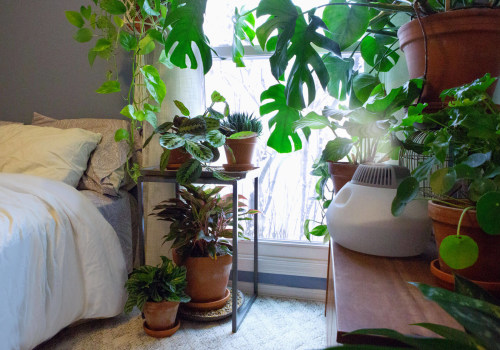
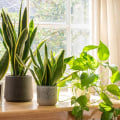
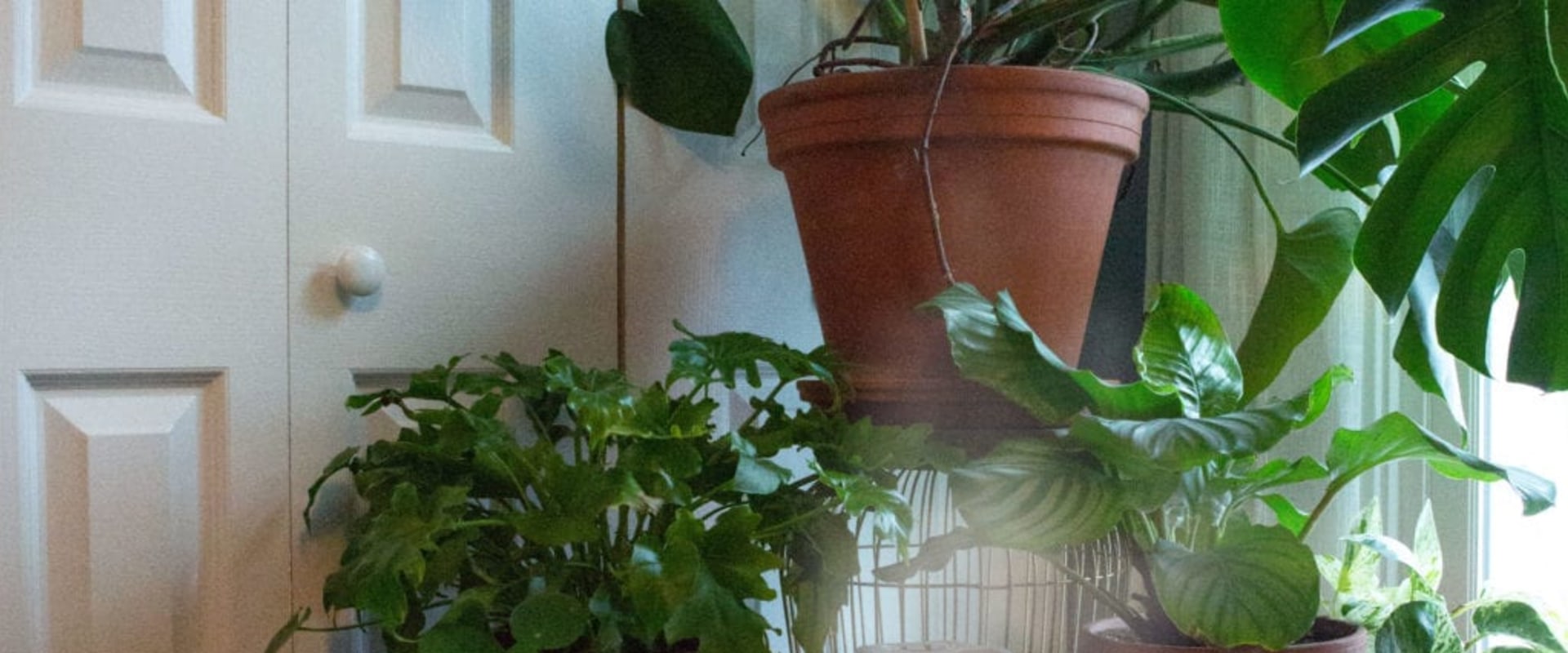
- Grouping Plants Together: One of the simplest ways to boost humidity is by clustering your plants. When plants are close together, they create a microenvironment where moisture can accumulate. This is particularly effective for plants with similar humidity needs.
- Using Pebble Trays: Fill a shallow tray with pebbles and add water until it just covers the pebbles. Place your plant pots on top of the pebbles, ensuring that the bottom of the pots does not sit directly in the water.
As the water evaporates, it will increase the humidity around your plants.
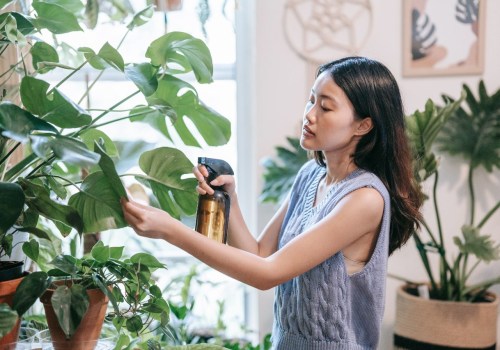
- Misting: Lightly misting your plants with water can provide a quick boost in humidity. However, this method should be used sparingly, as excessive moisture on leaves can lead to fungal issues. Aim to mist in the morning so that leaves dry out by evening.
- Creating a Humidity Chamber: For particularly humidity-loving plants, consider creating a small humidity chamber using a clear plastic bag or a glass container. Place the plant inside and seal it loosely to allow for airflow while trapping moisture.
- Water Features: If you have space, consider adding a small indoor fountain or water feature.
The evaporation from these sources can significantly raise humidity levels in the surrounding area.
Using Humidifiers for Optimal Indoor Plant Care
Maintaining the right humidity levels is crucial for indoor plant care, and using a humidifier can be one of the most effective solutions. Humidifiers designed specifically for indoor gardening can help create a microclimate that mimics the natural environment of many tropical plants, which thrive in higher humidity.Benefits of Using Humidifiers for Plants
- Consistent Humidity Levels: Unlike manual methods, humidifiers provide a steady output of moisture, ensuring that your plants receive the humidity they need throughout the day.
- Improved Plant Health: Higher humidity can reduce stress on plants, leading to healthier growth, vibrant foliage, and increased resistance to pests and diseases.
- Convenience: Many modern humidifiers come with built-in hygrometers and timers, allowing you to set specific humidity levels and schedules without constant monitoring.
Choosing the Best Humidifiers for Indoor Plants
When selecting a humidifier for your indoor garden, consider the following:
- Size: Choose a humidifier that is appropriate for the size of your plant area. Larger spaces may require a more powerful unit.
- Type: There are various types of humidifiers, including ultrasonic, evaporative, and steam vaporizers.
Ultrasonic models are often preferred for their quiet operation and energy efficiency.
- Maintenance: Look for models that are easy to clean and maintain, as mineral buildup can affect performance and air quality.
Indoor Plant Care with Humidifiers
To maximize the benefits of using a humidifier:
- Place the humidifier near your plants but not directly on them to avoid over-saturation.
- Monitor humidity levels regularly with a hygrometer to ensure they remain within the ideal range (40-60% for most houseplants).
- Adjust settings based on seasonal changes; you may need to increase humidity during winter months when indoor air tends to be drier.
Watering Techniques to Enhance Humidity Around Plants
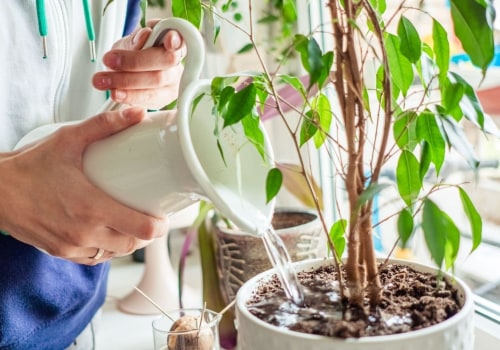
Proper watering techniques are essential not only for the health of your indoor plants but also for increasing the humidity levels in their immediate environment. Here are some effective methods to enhance humidity through watering:- Watering Frequency: Adjust your watering schedule based on the specific needs of your plants. Overwatering can lead to root rot, while underwatering can dry out the air. Aim for a balance that keeps the soil consistently moist but not soggy.
- Use Room Temperature Water: Cold water can shock plants and hinder their ability to absorb moisture.
Using room temperature water helps maintain a stable environment, promoting better humidity retention.
- Watering Techniques: Consider using a bottom watering method, where you place the pot in a tray of water and allow the soil to absorb moisture from the bottom up. This technique encourages deep root growth and helps maintain humidity levels.
- Misting: Lightly misting your plants with water can temporarily increase humidity. However, this should be done in moderation, as excessive moisture on leaves can lead to fungal issues.
- Grouping Plants: When you water your plants, consider grouping them together. This creates a microclimate where the moisture released from one plant can benefit its neighbors, effectively raising the overall humidity.
Remember that each plant species may have unique requirements, so always observe how they respond to your watering practices and adjust accordingly.
Creating a Humidity-Friendly Environment for Your Indoor Plants
Creating a humidity-friendly environment for your indoor plants is essential for their health and growth. Here are some effective strategies to enhance humidity levels in your home:- Room Placement: Position your plants in areas of the house that naturally retain moisture, such as kitchens and bathrooms. These rooms often have higher humidity levels due to cooking and bathing activities.
- Grouping Plants: Cluster your plants together. This not only creates a microenvironment with increased humidity but also allows them to share moisture through transpiration.
- Use Humidity Trays: Place a shallow tray filled with water and pebbles beneath your plants.
As the water evaporates, it will increase the humidity around the plants. Ensure that the pots are not sitting directly in the water to prevent root rot.
- Invest in a Humidifier: A humidifier can be a game-changer, especially during dry winter months. Choose one that suits the size of your space and run it regularly to maintain optimal humidity levels.
- Avoid Drafts: Keep your plants away from drafty windows and doors, as sudden temperature changes can lower humidity levels and stress your plants.
- Monitor Temperature: Maintaining a consistent temperature between 65°F and 75°F (18°C to 24°C) is ideal for most indoor plants. Warmer air holds more moisture, so consider using heat mats for tropical varieties.
Remember, each plant species may have specific humidity needs, so always research the requirements of your particular varieties for optimal care.
Common Mistakes to Avoid When Increasing Humidity for Indoor Plants
When it comes to indoor plant care, increasing humidity can be a delicate balance. Many gardeners make common mistakes that can hinder their efforts. Here are some pitfalls to avoid:- Overwatering: One of the most frequent errors is assuming that increasing humidity means overwatering your plants. While moisture in the air is beneficial, too much water in the soil can lead to root rot.
Always check the soil moisture before watering.
- Ignoring Plant Needs: Different plants have varying humidity requirements. For instance, tropical plants thrive in high humidity, while succulents prefer drier conditions. Research your specific plants to tailor your humidity-boosting methods accordingly.
- Using Improper Humidifiers: Not all humidifiers are created equal. Some may not provide adequate coverage for larger spaces or may not maintain consistent humidity levels.
Choose a humidifier that suits the size of your indoor garden and has adjustable settings.
- Neglecting Air Circulation: While increasing humidity is essential, stagnant air can lead to mold and mildew growth. Ensure proper air circulation around your plants by using fans or placing them in well-ventilated areas.
- Placing Plants Too Close Together: Grouping plants can help create a microclimate with higher humidity, but overcrowding can lead to competition for resources and poor air circulation. Maintain adequate spacing between plants to promote healthy growth.
Frequently Asked Questions About Indoor Plant Humidity
When it comes to indoor plant care, understanding humidity is crucial for the health of your plants.Here are some frequently asked questions regarding indoor plant humidity:
- What is the ideal humidity level for indoor plants?
Most indoor plants thrive in humidity levels between 40% and 60%. However, tropical plants may prefer higher humidity, around 60% to 80%. - How can I tell if my indoor plants need more humidity?
Signs that your plants may need more humidity include brown leaf tips, wilting leaves, and increased pest activity. If you notice these symptoms, it might be time to boost the humidity. - What are some simple ways to increase humidity for my indoor plants?
There are several effective methods to increase humidity: - Group your plants: Placing plants close together can create a microclimate with higher humidity.
- Use a humidifier: A room humidifier can maintain consistent moisture levels in the air.
- Water trays: Fill shallow trays with water and pebbles, placing your pots on top. As the water evaporates, it will increase the surrounding humidity.
- Misting: Lightly misting your plants can provide a temporary boost in humidity, but be cautious not to overdo it as this can lead to mold growth.
- Can I use a pebble tray for all types of indoor plants?
While pebble trays work well for many plants, they may not be suitable for those that prefer drier conditions.Always consider the specific needs of each plant species.
- Is it necessary to monitor humidity levels?
Yes, using a hygrometer can help you keep track of humidity levels in your home. This is especially important during winter months when indoor heating can dry out the air.
Conclusion: Nurturing Your Indoor Plants with Proper Humidity Care
In conclusion, maintaining the right humidity levels is crucial for indoor plant care. As we have explored, many houseplants thrive in environments that mimic their natural habitats, which often feature higher humidity. By implementing the strategies discussed, you can create a more favorable atmosphere for your green companions. To recap, here are some effective methods to increase humidity:- Grouping plants: Placing plants close together can create a microclimate with increased moisture levels.
- Using a humidifier: This is one of the most efficient ways to maintain consistent humidity, especially during dry seasons.
- Water trays: Setting pots on trays filled with pebbles and water can help elevate humidity around the plants without overwatering them.
- Misting: Regularly misting your plants can provide a quick boost in humidity, but it should be done carefully to avoid fungal issues.
- Choosing the right plants: Selecting species that naturally thrive in higher humidity can simplify your indoor plant care routine.
Remember that each plant has its own specific needs, so observing their responses to changes in humidity will guide you in fine-tuning your care approach. With dedication and attention, your indoor garden can flourish beautifully.