When it comes to indoor plant care, one of the most overlooked yet crucial aspects is air circulation. Many plant enthusiasts focus on watering, lighting, and soil quality, but the flow of air around your plants plays a vital role in their overall health. Proper air circulation helps to regulate temperature and humidity levels, which are essential for optimal growth. Without adequate airflow, plants can become stressed, leading to a host of problems including stunted growth and increased susceptibility to pests and diseases. One of the primary benefits of good air circulation is its ability to prevent fungal infections and mold growth.
Stagnant air creates a humid environment that is perfect for these issues to thrive. By ensuring that air can move freely around your plants, you significantly reduce the risk of such complications. Additionally, improved airflow can enhance photosynthesis by allowing carbon dioxide to reach the leaves more effectively, thus promoting healthier and more vigorous growth. Moreover, understanding the importance of air circulation in indoor plant care can lead to better decision-making when it comes to plant placement and care routines. For instance, grouping plants too closely together can hinder airflow, while strategic positioning near windows or vents can facilitate a gentle breeze.
As we delve deeper into this topic, we will explore practical ways to enhance air circulation in your indoor garden, ensuring that your plants not only survive but thrive.
Signs Your Indoor Plants Need Better Air Circulation
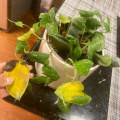
Recognizing the signs that your indoor plants need better air circulation is crucial for maintaining their health and vitality. Poor air circulation can lead to a variety of issues that may compromise your plants' growth and overall well-being. Here are some common indicators of inadequate air circulation:- Yellowing Leaves: One of the first signs of distress in indoor plants is yellowing leaves. This can occur when plants are not receiving enough fresh air, leading to stress and nutrient deficiencies.
- Mold Growth: If you notice mold or mildew on the soil surface or leaves, it’s a clear sign that humidity levels are too high and air circulation is poor. This not only affects the plant's appearance but can also lead to root rot.
- Stunted Growth: Plants that are not thriving may exhibit stunted growth.
If your indoor plants seem to be growing slower than usual or have stopped growing altogether, it could be due to insufficient airflow around them.
- Wilting Leaves: While wilting can be a sign of underwatering, it can also indicate poor air circulation. When leaves lack adequate airflow, they may struggle to transpire effectively, leading to wilting.
- Pest Infestations: A stagnant environment can attract pests like spider mites and aphids. If you notice an increase in pest activity, it may be time to assess your plant's air circulation.
Natural Methods to Improve Air Circulation
Improving air circulation around your indoor plants is essential for their health and growth.Here are some natural methods to enhance airflow:
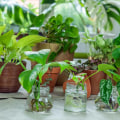
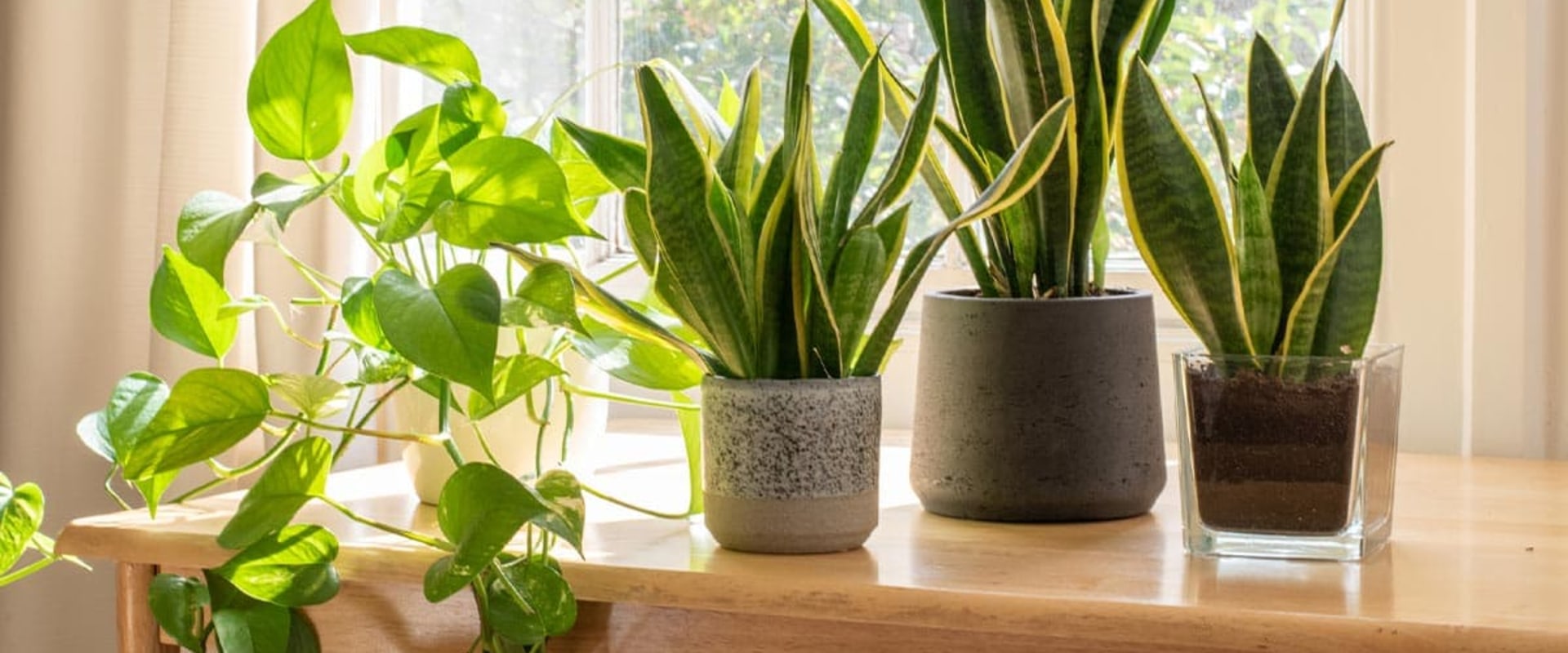
- Strategic Placement: Position your plants in a way that allows for unobstructed airflow. Avoid clustering them too closely together, as this can trap moisture and create a humid environment that encourages mold and pests. Instead, place taller plants behind shorter ones to create a tiered effect, allowing air to flow freely.
- Utilize Fans: While not entirely a natural method, using small fans can mimic outdoor breezes. Place a fan on a low setting near your plants to gently circulate air without causing stress.
This can help strengthen stems and improve overall plant vigor.
- Create Airflow Pathways: Ensure that there are clear pathways for air to move around your plants. You can achieve this by arranging furniture and other decor items in a way that does not obstruct airflow. Consider using plant stands to elevate your plants, which can also help with drainage.
- Open Windows: Whenever possible, open windows to allow fresh air to enter your home. This is especially beneficial during mild weather when outdoor conditions are favorable.
Just be cautious of drafts that could harm sensitive plants.
- Use Natural Ventilation: If you have multiple rooms with plants, consider using natural ventilation techniques such as cross-ventilation. Open doors between rooms to create a flow of air that can help keep humidity levels balanced.
Using Fans and Other Tools for Better Airflow
Improving air circulation is crucial for indoor plant care, as it helps prevent mold, pests, and diseases while promoting healthy growth. One of the most effective ways to enhance airflow is by using fans and other tools designed for indoor gardening.Types of Fans Suitable for Indoor Gardening
- Oscillating Fans: These fans move side to side, providing a wider range of airflow. They are ideal for larger plant setups, ensuring that all plants receive adequate ventilation.
- Clip-On Fans: Perfect for smaller spaces, clip-on fans can be attached to shelves or plant stands.
They are adjustable and can be directed towards specific plants that may need extra airflow.
- Floor Fans: For larger indoor gardens, floor fans can circulate air effectively across the entire room. Position them strategically to avoid direct blasts on delicate plants.
How to Use Fans Effectively
When using fans, it’s essential to consider the following tips:- Avoid Direct Airflow: Position fans so that they do not blow directly onto your plants. Instead, aim for a gentle breeze that mimics natural wind conditions.
- Adjust Speed Settings: Start with a low speed setting to gauge how your plants respond. Gradually increase the speed if necessary, but always monitor your plants for signs of stress.
- Use Timers: To simulate natural conditions, consider using timers to turn the fans on and off at regular intervals.
This helps maintain a consistent environment without overwhelming your plants.
- Air Purifiers: These devices not only filter out pollutants but also help circulate air within the room, creating a healthier environment for your plants.
- Humidity Trays: While primarily used to increase humidity, these trays can also help with airflow when placed strategically around your plants.
Choosing the Right Location for Your Indoor Plants
When it comes to indoor plant care, selecting the right location for your plants is crucial for their health and growth. Proper placement not only ensures that your plants receive adequate light but also maximizes airflow, which is essential for preventing mold and promoting overall vitality.Best Locations for Indoor Plants
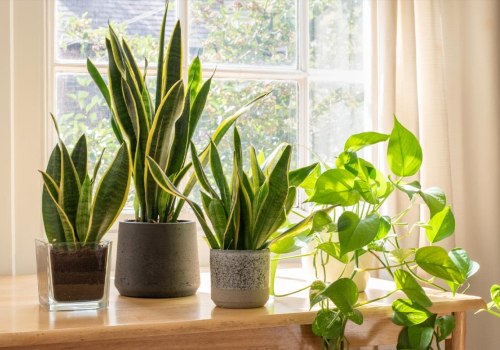
Start by identifying areas in your home that receive natural light. South-facing windows are typically the best choice, as they provide the most sunlight throughout the day. However, be cautious of direct sunlight, which can scorch sensitive leaves.Consider placing your plants a few feet away from the window or using sheer curtains to diffuse the light.
Plant Placement Tips
- Avoid Clutter: Ensure that your plants are not crowded by other objects. This allows for better air circulation around the leaves.
- Group Plants: Grouping plants together can create a microclimate that retains humidity, but make sure there’s still space between them for air to flow.
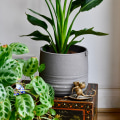
- Use Plant Stands: Elevating your plants on stands can improve airflow underneath and around them, reducing the risk of stagnant air.
- Rotate Regularly: Rotating your plants every few weeks can help them grow evenly and ensure all sides receive adequate light and airflow.
Maximizing Airflow Indoors
In addition to choosing the right location, consider the overall layout of your room. Avoid placing plants in corners or behind furniture where airflow is restricted. If possible, use fans to circulate air gently around your plants, especially in rooms with limited ventilation.This not only helps with indoor plant care but also keeps pests at bay.By thoughtfully selecting locations and ensuring proper airflow, you can create an ideal environment for your indoor plants to thrive.
Creating a Plant-Friendly Environment: Humidity and Temperature Control
Creating a plant-friendly environment is essential for the health and vitality of your indoor plants. Two critical factors that significantly influence air circulation and overall plant health are humidity and temperature.Humidity Control for Plants
- Most indoor plants thrive in a humidity range of 40% to 60%. To maintain this level, consider using a humidifier, especially during dry winter months.
- Grouping plants together can create a microclimate with higher humidity, as they release moisture into the air through transpiration.
- Regularly misting your plants can also help increase humidity, but be cautious not to overdo it, as excessive moisture can lead to fungal issues.
- For plants that prefer higher humidity, such as ferns and tropical varieties, placing them on a pebble tray filled with water can provide the necessary moisture without direct contact with the roots.
Temperature Effects on Indoor Plants
- Indoor plants generally prefer temperatures between 65°F and 75°F (18°C to 24°C) during the day and slightly cooler at night. Sudden temperature fluctuations can stress plants and hinder their growth.
- Avoid placing plants near heating vents or air conditioning units, as these can create drafts that disrupt their natural environment.
- Using a thermometer to monitor the temperature in your plant area can help you make necessary adjustments to keep conditions stable.
This attention to detail not only promotes healthy growth but also helps prevent common issues such as pests and diseases, ensuring your indoor garden thrives.
Common Mistakes to Avoid in Indoor Plant Care Related to Air Circulation
When it comes to indoor plant care, ensuring proper air circulation is crucial for the health and vitality of your plants. However, many indoor gardeners make common mistakes that can hinder airflow and lead to various issues. Here are some pitfalls to avoid:- Overcrowding Plants: One of the most frequent errors is placing too many plants in a confined space. This not only restricts airflow but also increases humidity levels, creating a breeding ground for mold and pests.
Always ensure that your plants have enough space between them to allow air to circulate freely.
- Ignoring Ventilation: Many indoor spaces lack adequate ventilation, which can lead to stagnant air. Avoid placing your plants in corners or enclosed areas where air cannot flow. Instead, consider using fans or opening windows periodically to promote better air movement.
- Using Heavy Mulch: While mulch can be beneficial for outdoor gardens, using heavy or dense mulch indoors can trap moisture and restrict airflow around the soil. Opt for lighter materials or use mulch sparingly to maintain a balance between moisture retention and air circulation.
- Neglecting Plant Pruning: Failing to prune your plants can lead to dense foliage that obstructs airflow.
Regularly trim back excess leaves and branches to encourage better circulation and light penetration.
- Choosing the Wrong Pot: The type of pot you use can significantly impact air circulation. Avoid pots that are too small or made from non-breathable materials. Instead, select pots with drainage holes and breathable materials like terracotta to facilitate airflow around the roots.
FAQs About Improving Air Circulation for Indoor Plants
Improving air circulation is crucial for maintaining healthy indoor plants.Here are some frequently asked questions regarding this topic:
- Why is air circulation important for indoor plants?
Good air circulation helps prevent mold and mildew, reduces the risk of pests, and promotes even growth by ensuring that all parts of the plant receive adequate airflow. - How can I tell if my plants need better air circulation?
If you notice yellowing leaves, stunted growth, or a buildup of mold on the soil surface, these may be signs that your plants are not getting enough air circulation. - What are some simple ways to improve air circulation?
Here are a few effective methods:
- Positioning plants wisely: Avoid overcrowding your plants. Ensure they have enough space between them to allow air to flow freely.
- Using fans: Small oscillating fans can help circulate air around your plants. Just make sure the airflow is gentle to avoid damaging delicate leaves.
- Opening windows: If weather permits, open windows to allow fresh air to enter your home. This can significantly enhance air quality and circulation.
- Regularly rotating plants: Rotating your plants every few weeks ensures that all sides receive equal exposure to light and airflow.
Conclusion: Key Takeaways for Optimal Indoor Plant Care
In conclusion, ensuring proper air circulation is a vital aspect of indoor plant care that can significantly enhance the health and vitality of your plants.By implementing the strategies discussed, you can create an environment that promotes growth and minimizes the risk of diseases. Here are the key takeaways to remember:
- Placement Matters: Position your plants in a way that allows for adequate airflow. Avoid overcrowding and ensure that larger plants do not block the air from reaching smaller ones.
- Utilize Fans: Incorporating small fans can help circulate air, especially in rooms with limited natural ventilation. A gentle breeze mimics outdoor conditions and helps strengthen plant stems.
- Rotate Your Plants: Regularly rotating your plants ensures that all sides receive equal exposure to light and air, promoting balanced growth.
- Humidity Control: Monitor humidity levels, as high humidity can lead to stagnant air. Using a dehumidifier or placing plants in well-ventilated areas can help maintain optimal conditions.
- Pruning and Cleaning: Regularly prune dead leaves and dust off foliage to improve air circulation around the plant.
This not only enhances airflow but also allows for better light absorption.