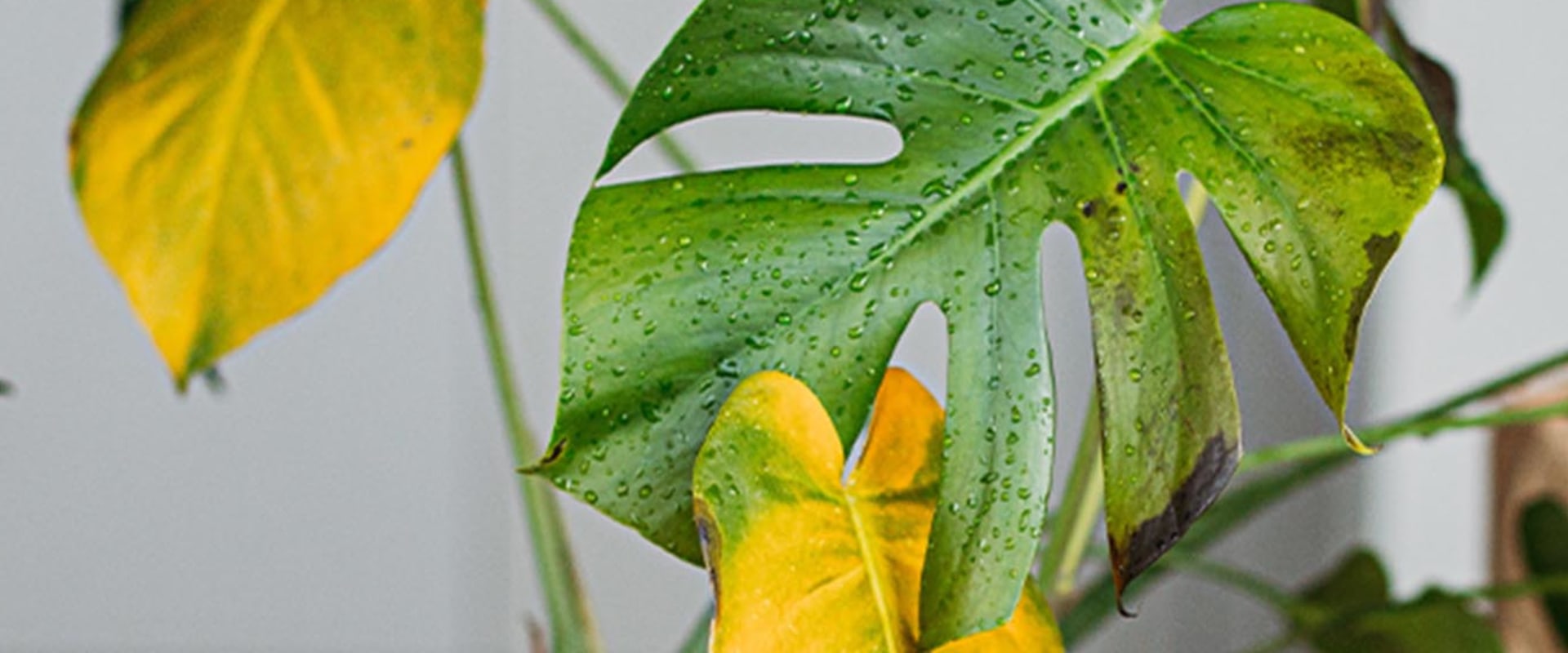
Indoor plants can bring life and vibrancy to any space, but they are not immune to the threats posed by pests. Understanding the various types of indoor plant pests is crucial for maintaining the health and beauty of your green companions. From tiny insects to larger critters, these pests can wreak havoc on your plants if not identified and managed promptly. Common pests that often invade indoor plants include aphids, spider mites, mealybugs, and fungus gnats. Each of these pests has unique characteristics and behaviors that can help you identify them early.
For instance, aphids are small, soft-bodied insects that cluster on new growth, while spider mites create fine webs on the undersides of leaves. Recognizing these signs is essential for effective pest control. Moreover, understanding the lifecycle of these pests can aid in prevention. Many pests thrive in warm, humid environments, making indoor settings particularly inviting. Regularly inspecting your plants for signs of infestation—such as yellowing leaves, sticky residue, or visible insects—can help you catch problems before they escalate.
By familiarizing yourself with common indoor plant pests and their telltale signs, you can take proactive steps to protect your plants and ensure they continue to thrive.
Signs of Pest Infestation
Identifying the signs of pest infestation in your indoor plants is crucial for maintaining their health and vitality. Early detection can prevent a minor issue from escalating into a full-blown infestation. Here are some common indicators to watch for:- Visible Pests: The most obvious sign is the presence of pests themselves. Look closely at the leaves, stems, and soil for insects such as aphids, spider mites, or mealybugs.
- Discoloration: Yellowing leaves or spots on the foliage can indicate pest damage.
For instance, spider mites often cause stippling on leaves, while aphids can lead to curling and yellowing.
- Webbing: Fine webs on the undersides of leaves or between branches are a telltale sign of spider mites. If you notice this webbing, it’s time to take action.
- Sticky Residue: A sticky substance known as honeydew may accumulate on leaves and surfaces beneath infested plants. This is excreted by pests like aphids and can lead to sooty mold growth.
- Leaf Drop: If your plant starts shedding leaves unexpectedly, it could be a response to stress caused by pests. Monitor for any sudden changes in leaf health.
Use a magnifying glass if necessary to get a closer look. Additionally, consider implementing a routine check-up schedule to catch any issues early. If you notice any of these signs of pests, act quickly. Isolate the affected plant to prevent the spread of pests to other plants and begin treatment immediately. This proactive approach will help ensure your indoor plants remain healthy and thriving.
Preventive Measures for Indoor Plant Care
Preventing pests from infesting your indoor plants is a crucial aspect of indoor plant care.By implementing a few simple strategies, you can create an environment that discourages pests and promotes healthy growth.
- Choose Healthy Plants: Start with healthy plants from reputable sources. Inspect them for any signs of pests or disease before bringing them home.
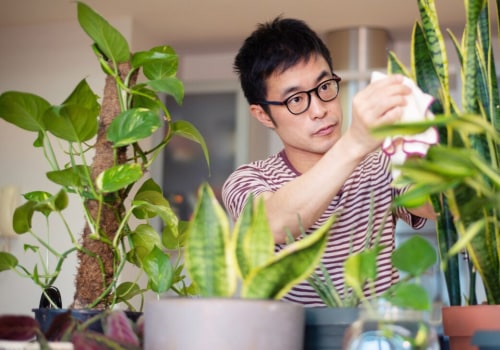
- Maintain Cleanliness: Regularly clean the leaves of your plants with a damp cloth to remove dust and potential pest eggs. Additionally, keep the area around your plants tidy to minimize hiding spots for pests.
- Monitor Humidity Levels: Many pests thrive in high humidity. Use a dehumidifier if necessary, and ensure proper air circulation around your plants to keep humidity levels in check.
- Water Wisely: Overwatering can lead to root rot and attract pests.
Water your plants only when necessary, allowing the soil to dry out between waterings.
- Use Natural Deterrents: Consider using natural pest deterrents such as neem oil or insecticidal soap. These can help keep pests at bay without harming your plants.
- Rotate Your Plants: Occasionally rotating your plants can help expose all sides to light and air, making it less likely for pests to settle in one spot.
- Quarantine New Arrivals: When introducing new plants, keep them separate from your existing collection for at least two weeks. This allows you to monitor for any signs of pests before they can spread.
Natural Remedies for Pest Control
When it comes to indoor plant care, utilizing natural remedies for pest control can be an effective and eco-friendly approach.Many common household items can serve as organic solutions to keep your plants healthy and pest-free.Here are some tried-and-true DIY pest remedies that you can easily implement:
- Neem Oil: Extracted from the seeds of the neem tree, neem oil is a powerful natural pesticide. Mix a few drops with water and a few drops of dish soap, then spray it on affected plants. This oil disrupts the life cycle of pests without harming beneficial insects.
- Soap Spray: A simple mixture of water and mild liquid soap can effectively suffocate soft-bodied insects like aphids and spider mites. Use one tablespoon of soap per quart of water, spray directly on the pests, and rinse after a few hours.
- Cayenne Pepper or Garlic Spray: Both cayenne pepper and garlic have natural insect-repelling properties.
Blend a few cloves of garlic or a tablespoon of cayenne pepper with water, strain the mixture, and spray it on your plants to deter unwanted visitors.
- Essential Oils: Certain essential oils, such as peppermint or lavender, can repel pests. Mix a few drops with water in a spray bottle and apply it to your plants regularly.
- Diatomaceous Earth: This natural powder is made from fossilized algae and can be sprinkled around the base of your plants. It works by dehydrating insects that come into contact with it.
Healthy plants are less susceptible to pests, making prevention easier.By incorporating these natural pest control methods into your routine, you can protect your indoor garden while being kind to the environment.
Chemical Solutions and When to Use Them
When it comes to indoor plant care, chemical solutions can be an effective way to manage pest infestations, but they should be used judiciously. Understanding when and how to use these products is crucial for the health of your plants and the safety of your home environment.Types of Chemical Solutions
- Pesticides: These are specifically formulated to target pests. Look for products labeled for indoor use to ensure safety.
- Insecticidal Soaps: These are less toxic options that can effectively control soft-bodied insects like aphids and spider mites.
- Neem Oil: A natural pesticide derived from the seeds of the neem tree, it disrupts the life cycle of pests without harming beneficial insects when used correctly.
When to Use Chemicals
Timing is essential when applying chemical solutions. Here are some guidelines:- Early Detection: Apply chemicals at the first sign of an infestation.
Early intervention can prevent a small problem from becoming a larger one.
- Life Cycle Awareness: Understand the life cycles of common pests. For example, targeting pests during their larval stage can be more effective than waiting until they mature.
- Environmental Conditions: Avoid applying chemicals during extreme temperatures or high humidity, as these conditions can reduce effectiveness and harm your plants.
Safety Precautions
Using chemicals safely is paramount. Follow these precautions:- Read Labels: Always read and follow the manufacturer's instructions for application rates and safety measures.
- Avoid Overuse: More is not always better. Overapplication can lead to chemical buildup in the soil and harm your plants.
- Ventilation: Ensure good airflow in the area where you apply chemicals to minimize inhalation risks.
Maintaining Healthy Indoor Plants to Avoid Pests
Maintaining healthy indoor plants is crucial not only for their growth but also as a proactive strategy to prevent pest infestations.A robust plant is less susceptible to pests, making it essential to establish a consistent plant care routine.Here are some effective plant health tips to keep your indoor plants thriving:
- Regular Watering: Ensure that your plants receive the right amount of water. Overwatering can lead to root rot, while underwatering can stress the plant, making it more vulnerable to pests.
- Proper Lighting: Different plants have varying light requirements. Make sure your plants are placed in suitable lighting conditions to promote healthy growth.
- Humidity Control: Many indoor plants thrive in humid environments. Use a humidifier or place a tray of water near your plants to maintain optimal humidity levels.
- Soil Quality: Use high-quality potting soil that provides adequate drainage and nutrients.
Regularly check for compacted soil and refresh it as needed.
- Pest Monitoring: Regularly inspect your plants for any signs of pests or disease. Early detection is key to preventing infestations.
- Fertilization: Feed your plants with appropriate fertilizers during their growing season to ensure they have the nutrients needed for strong growth.
Frequently Asked Questions about Indoor Plant Pest Prevention
When it comes to indoor plant care, many plant enthusiasts have questions about how to effectively prevent pests from infesting their beloved greenery.Here are some frequently asked questions that can help you maintain a healthy indoor garden.
- What are the most common pests that affect indoor plants?
Common pests include aphids, spider mites, mealybugs, and fungus gnats. Each of these pests can cause significant damage if not addressed promptly. - How can I identify a pest infestation?
Look for signs such as discolored leaves, webbing, sticky residue, or visible insects on the plant. Regularly inspecting your plants can help catch infestations early. - What preventive measures can I take?
To prevent pests, consider the following tips:- Keep your plants clean by wiping leaves with a damp cloth.
- Avoid overwatering, as damp conditions attract pests.
- Use insecticidal soap or neem oil as a preventive treatment.
- Introduce beneficial insects like ladybugs to control pest populations naturally.
- Is it safe to use chemical pesticides indoors?
While some chemical pesticides are effective, they can be harmful to pets and humans. Always opt for organic or natural solutions when possible, and ensure proper ventilation when using any chemicals. - How often should I check my plants for pests?
Regular checks are essential.Aim to inspect your plants at least once a week, especially during the growing season when pests are more active.
Conclusion: Key Takeaways for Pest-Free Indoor Plants
In conclusion, maintaining pest-free indoor plants requires a combination of vigilance, proper care, and proactive measures. By implementing the strategies discussed throughout this article, you can significantly reduce the risk of pest infestations and ensure your plants thrive.- Regular Inspections: Make it a habit to check your plants frequently for any signs of pests. Early detection is key to preventing a small problem from becoming a larger infestation.
- Proper Watering Techniques: Overwatering can create a breeding ground for pests. Ensure that your plants are watered appropriately, allowing the soil to dry out between waterings.
- Optimal Lighting Conditions: Providing adequate light not only promotes healthy growth but also helps deter pests that thrive in low-light environments.
- Natural Remedies: Consider using natural pest deterrents such as neem oil or insecticidal soap.
These options are less harmful to beneficial insects and the environment.
- Quarantine New Plants: Always isolate new plants for a few weeks before introducing them to your existing collection. This practice helps prevent any hidden pests from spreading.