In recent years, the trend of indoor gardening has surged, with more people recognizing the numerous benefits that come from incorporating plants into their living spaces.
Indoor plant care
not only enhances the aesthetic appeal of a home but also contributes to improved air quality and overall well-being. However, for many, the thought of maintaining a garden indoors can be daunting, especially for those with busy lifestyles or limited gardening experience. This is where low maintenance indoor plants come into play. Choosing easy care houseplants allows individuals to enjoy the beauty and benefits of greenery without the stress of extensive upkeep.These resilient plants are perfect for beginners or anyone looking to add a touch of nature to their home without dedicating significant time or effort. From succulents to snake plants, there are a variety of options that thrive in various indoor conditions, making them ideal companions for any room. As we delve deeper into the world of indoor plant care, we will explore some of the most popular low-maintenance plants that can effortlessly enhance your home environment. Whether you’re looking to brighten up your workspace or create a calming atmosphere in your living room, understanding which plants require minimal attention will empower you to cultivate your indoor garden with confidence.
Why Choose Low-Maintenance Indoor Plants?
Choosing low-maintenance indoor plants can significantly enhance your living space while minimizing the effort required to keep them thriving. These plants are ideal for individuals with busy lifestyles, as they require less frequent watering, minimal pruning, and are generally more resilient to neglect.One of the primary benefits of selecting easy-care plants is the time-saving aspect.For those juggling work, family, and social commitments, spending hours on plant care can be impractical. Low-maintenance plants allow you to enjoy the beauty of greenery without the stress of constant upkeep.Additionally, many low-maintenance indoor plants are known for their ability to improve indoor air quality. Plants like the snake plant and peace lily not only add aesthetic value but also filter toxins from the air, creating a healthier living environment. This is particularly beneficial in urban settings where air quality can be compromised.Moreover, these plants can serve as a great introduction for novice gardeners.
They provide an opportunity to learn about indoor plant care without overwhelming challenges. As you gain confidence in your gardening skills, you may find yourself inspired to explore more complex plant varieties.In summary, opting for low-maintenance indoor plants offers numerous advantages: they save time, enhance air quality, and are perfect for those new to gardening. By incorporating these resilient species into your home, you can enjoy the benefits of nature without the burden of extensive care.
Top Low-Maintenance Indoor Plants
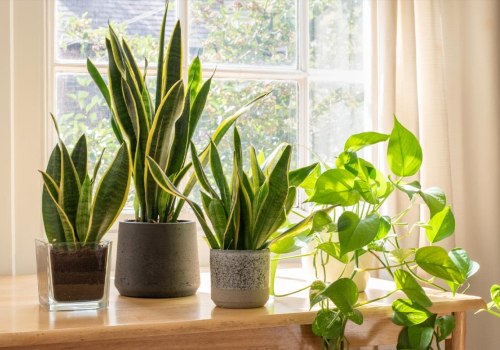
When it comes to indoor plant care, choosing low-maintenance options can make your life significantly easier while still adding beauty to your home. Here are some of the best low-maintenance indoor plants that are perfect for beginners and busy individuals alike:- Snake Plant (Sansevieria) : Known for its striking upright leaves, the snake plant is incredibly resilient.
It thrives in a variety of lighting conditions, from low light to bright indirect light, and requires minimal watering—only when the soil is completely dry. This makes it an ideal choice for those who may forget to water regularly.
- Pothos (Epipremnum aureum) : Pothos is a popular choice due to its trailing vines and heart-shaped leaves. It can adapt to different light conditions, although it prefers indirect sunlight. Watering every 1-2 weeks is sufficient, making it a great option for busy households.
- ZZ Plant (Zamioculcas zamiifolia) : The ZZ plant is known for its glossy leaves and ability to thrive in low-light environments.
It requires very little water, making it perfect for those who travel frequently or have a hectic schedule. Just be sure to let the soil dry out between waterings.
- Spider Plant (Chlorophytum comosum) : With its arching leaves and small offshoots, the spider plant is not only easy to care for but also helps purify the air. It prefers bright, indirect light but can tolerate lower light levels. Watering once a week is usually enough.
- Peace Lily (Spathiphyllum) : The peace lily is celebrated for its elegant white blooms and air-purifying qualities.
It thrives in low to medium light and only needs watering when the top inch of soil feels dry. This plant can also tolerate neglect, making it a favorite among those new to indoor plant care.
Care Tips for Low-Maintenance Indoor Plants
Caring for low-maintenance indoor plants can be a rewarding experience, especially for those who may not have a green thumb. Here are some essential indoor plant care tips to help you keep your houseplants thriving with minimal effort.Watering Schedule
One of the most critical aspects of low maintenance plant care is establishing a proper watering routine.Overwatering is a common mistake that can lead to root rot. Here are some guidelines:
- Check the soil: Before watering, stick your finger about an inch into the soil. If it feels dry, it’s time to water.
- Use room temperature water: Cold water can shock the roots, so let your water sit out for a few hours before using it.
- Water less in winter: Many plants enter a dormant phase during the colder months, requiring less frequent watering.
Light Requirements
Understanding the light needs of your plants is crucial for their health. Most low-maintenance indoor plants thrive in indirect sunlight.Here are some tips:
- Identify light levels: Observe how much natural light your space receives throughout the day and place your plants accordingly.
- Avoid direct sunlight: Direct sunlight can scorch leaves; instead, opt for bright, indirect light.
- Rotate your plants: To ensure even growth, rotate your plants every few weeks so all sides receive adequate light.
Pest Management
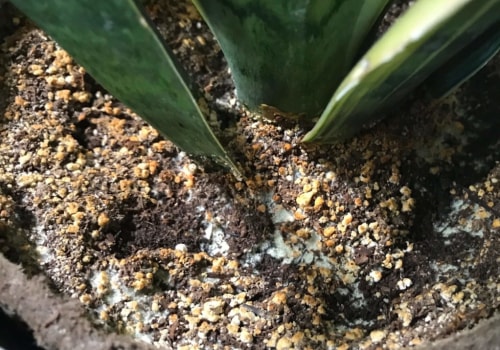
Pests can be a concern even for low-maintenance plants. Here are some simple strategies to keep them at bay:- Regular inspections: Check your plants weekly for signs of pests like spider mites or aphids.
- Natural remedies: Use a mixture of water and mild soap to spray on affected areas if you notice pests.
- Keep the area clean: Regularly dust leaves and clean the surrounding area to prevent pest infestations.
Common Mistakes in Indoor Plant Care
Caring for indoor plants can be a rewarding experience, but many people make common mistakes that can hinder their growth and health. Understanding these indoor plant care mistakes is crucial for ensuring your plants thrive.- Overwatering: One of the most frequent errors is overwatering.
Many plant owners believe that more water equals healthier plants. In reality, excessive moisture can lead to root rot. Always check the soil moisture before watering; if the top inch is dry, it’s time to water.
- Ignoring Light Requirements: Different plants have varying light needs. Placing a low-light plant in direct sunlight can scorch its leaves, while a sun-loving plant in a dim corner may become leggy and weak.
Research your specific plants’ light requirements to avoid this common pitfall.
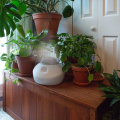
- Neglecting Humidity Levels: Many indoor plants, especially tropical varieties, thrive in higher humidity. Dry air can lead to brown leaf tips and stunted growth. Consider using a humidifier or placing a tray of water near your plants to maintain optimal humidity levels.
- Using the Wrong Soil: Not all potting soils are created equal. Using garden soil or not providing adequate drainage can suffocate roots.
Invest in high-quality potting mix tailored for indoor plants to ensure proper aeration and nutrient availability.
- Failure to Fertilize: Indoor plants often require additional nutrients that may not be present in their potting mix. Neglecting to fertilize can lead to nutrient deficiencies, affecting growth and overall health. Use a balanced fertilizer during the growing season, following package instructions for frequency and amount.
This will not only enhance their beauty but also contribute to a more enjoyable indoor gardening experience.
Frequently Asked Questions about Low-Maintenance Indoor Plants
When it comes to indoor plant care, many people have questions about which plants are the easiest to maintain. Here are some common queries regarding low-maintenance indoor plants:- What are the best low-maintenance indoor plants?
Some of the top choices include the snake plant, pothos, and ZZ plant. These plants thrive in various lighting conditions and require minimal watering. - How often should I water low-maintenance plants?
Generally, low-maintenance plants like the snake plant can go weeks without water. A good rule of thumb is to check the soil; if it feels dry an inch below the surface, it’s time to water. - Do low-maintenance plants need special soil?
No special soil is required for most low-maintenance indoor plants.A well-draining potting mix is usually sufficient. However, ensure that your pots have drainage holes to prevent root rot.
- Can I keep low-maintenance plants in low light?
Yes! Many low-maintenance plants, such as pothos and peace lilies, can thrive in low-light conditions. However, they will grow more vigorously with some indirect sunlight. - Are there any pests I should worry about?
While low-maintenance plants are generally resilient, they can still attract pests like spider mites or aphids. Regularly inspecting your plants and wiping their leaves can help prevent infestations.
Remember, even low-maintenance plants benefit from occasional attention and care!
Conclusion: Embracing Easy Indoor Plant Care
In conclusion, embracing easy indoor plant care can significantly enhance your living space while requiring minimal effort. By choosing low-maintenance indoor plants, you not only beautify your home but also create a healthier environment. These plants are perfect for busy individuals or those new to gardening, as they thrive with little attention and can adapt to various indoor conditions.Throughout this article, we explored several popular options that exemplify the benefits of low-maintenance indoor plants:- Snake Plant: Known for its air-purifying qualities and resilience, it can survive in low light and requires infrequent watering.
- Pothos: This trailing vine is incredibly forgiving and can thrive in a range of lighting conditions, making it ideal for beginners.
- ZZ Plant: With its glossy leaves and drought tolerance, the ZZ plant is perfect for those who may forget to water regularly.
- Spider Plant: A great choice for hanging baskets, it produces offshoots that can be easily propagated, adding to your collection without much effort.
As you explore the world of indoor plant care, consider starting with these resilient varieties. They not only bring life to your home but also offer a sense of accomplishment as you watch them flourish with minimal intervention.