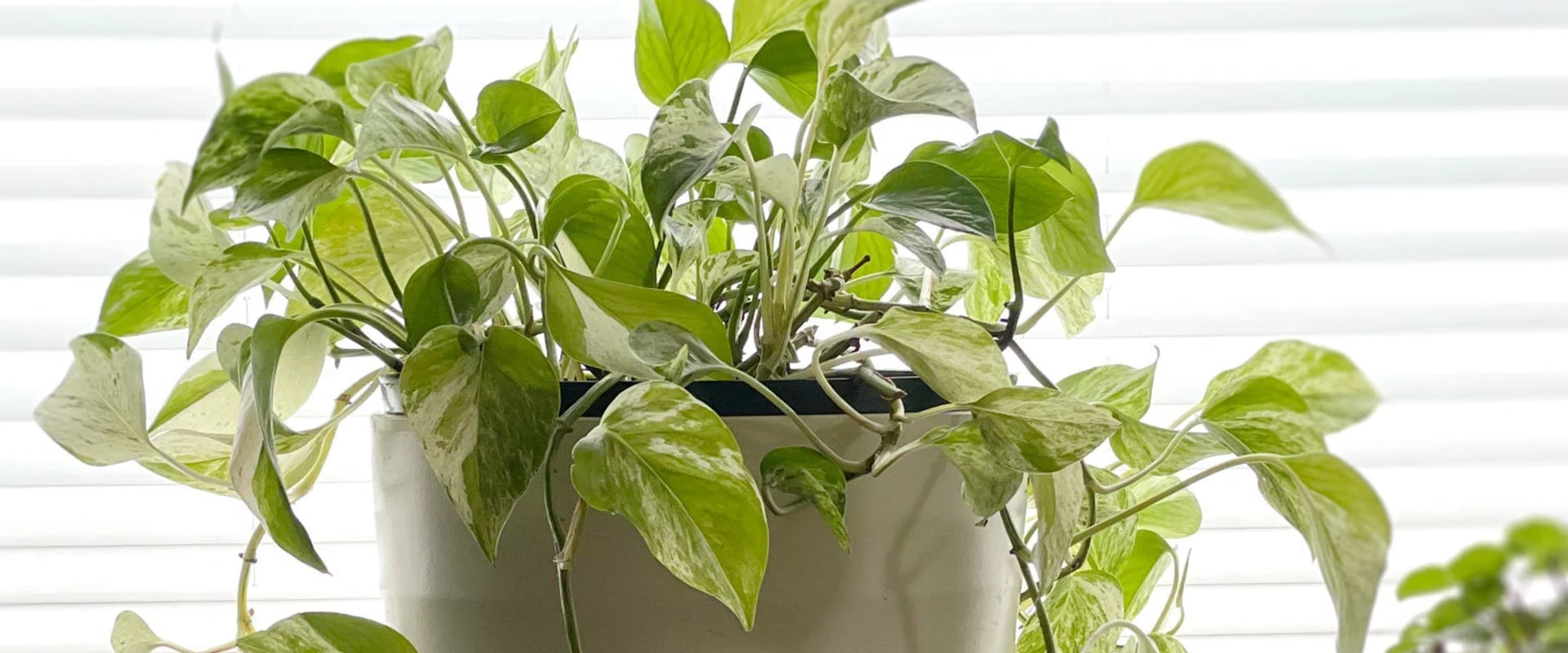
Understanding indoor plant growth is essential for anyone looking to cultivate a thriving indoor garden. Plants, much like humans, have specific needs that must be met for them to flourish. One of the most critical aspects of plant care is ensuring that your plants have enough space to grow. As they develop, their root systems expand, and if they become root-bound in a pot that is too small, it can lead to stunted growth and unhealthy plants. Recognizing the signs of healthy plants is the first step in effective indoor plant care.
Healthy plants typically exhibit vibrant leaves, robust stems, and steady growth. However, when a plant's growth begins to slow or its leaves start to yellow, it may be time to assess its living conditions. A common culprit behind these issues is inadequate pot size. When roots have no room to spread out, they can become cramped and stressed, which directly impacts the overall health of the plant. In this section, we will explore the various indicators that suggest your indoor plant may need a larger pot.
By understanding these signs and the fundamentals of indoor plant growth, you can ensure that your green companions receive the care they need to thrive in your home.
Signs Your Indoor Plant Needs a Larger Pot
Understanding when to repot your indoor plants is essential for their health and growth. Here are some key signs that indicate your plant may need to be moved to a larger pot:- Roots Growing Out of Drainage Holes: If you notice roots emerging from the bottom of the pot, this is a clear sign that your plant is root-bound. The roots are seeking more space, and it’s time to consider a larger pot.
- Soil Dries Out Quickly: If you find yourself watering your plant more frequently than usual, it may be an indication that the roots have filled the pot and are absorbing water rapidly. This can lead to stress for the plant.
- Stunted Growth: A healthy indoor plant should show signs of growth.
If your plant has stopped growing or is producing smaller leaves than usual, it might be time for a larger pot.
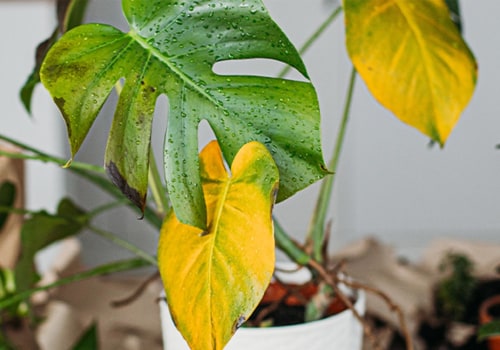
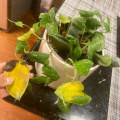
- Yellowing Leaves: While yellowing leaves can indicate various issues, if combined with other signs like stunted growth or rapid soil drying, it may suggest that the plant is outgrowing its current container.
- Pest Infestation: Sometimes, pests can thrive in crowded conditions. If you notice an increase in pests, it could be due to the plant being root-bound and needing more space.
Root Bound: What It Means and How to Identify It
Understanding root bound plants is crucial for effective indoor plant care. A plant becomes root bound when its roots grow too large for the pot, leading to a cramped environment that can hinder its growth and health.Symptoms of Root Bound Plants
- Roots Growing Out of Drainage Holes: If you notice roots protruding from the bottom of the pot, it’s a clear sign that your plant is root bound.
- Stunted Growth: A root bound plant often shows little to no growth, despite proper watering and light conditions.
- Wilting Leaves: Even with adequate moisture, root bound plants may exhibit wilting or yellowing leaves due to insufficient nutrient uptake.
- Soil Drying Out Quickly: If the soil dries out faster than usual, it may indicate that the roots are taking up all the space, leaving little room for soil to retain moisture.
How to Fix Root Bound Plants
If you identify that your plant is root bound, it’s essential to take action.
Here are some steps to remedy the situation:
- Choose a Larger Pot: Select a pot that is 1-2 inches larger in diameter than the current one. Ensure it has adequate drainage holes.
- Gently Remove the Plant: Carefully take the plant out of its pot, being cautious not to damage the roots.
- Loosen the Roots: If the roots are tightly wound, gently tease them apart with your fingers. This encourages new growth into the surrounding soil.
- Add Fresh Soil: Place a layer of fresh potting mix at the bottom of the new pot before replanting. Fill in around the roots with more soil, ensuring it’s well-packed but not too tight.
- Water Thoroughly: After repotting, give your plant a good drink of water to help settle the soil and reduce transplant shock.
Choosing the Right Pot Size for Your Indoor Plants
Choosing the right pot size for your indoor plants is crucial for their health and growth.A pot that is too small can restrict root development, while a pot that is too large can lead to overwatering and root rot. Here are some potting tips for indoor plants to help you make the best choice:
- Assess the current pot: If you notice roots growing out of the drainage holes or if the soil dries out quickly, it may be time to move your plant to a larger pot.
- Consider the plant's size: As a general rule, choose a pot that is 1-2 inches larger in diameter than the current one for smaller plants. For larger plants, increase the size by 2-4 inches.
- Check the root system: Gently remove the plant from its current pot and inspect the roots. If they are tightly bound or circling around the root ball, it’s a sign that your plant needs more space.
- Material: Clay pots are porous and allow for better air circulation, while plastic pots retain moisture longer.
Choose based on your plant's watering needs.
- Drainage: Ensure that the new pot has adequate drainage holes to prevent water from accumulating at the bottom.
- Aesthetics: While functionality is key, don’t forget to choose a pot that complements your home decor.
Repotting Techniques: How to Move Your Plant Safely
Repotting your indoor plants can be a daunting task, but with the right repotting techniques, you can ensure a smooth transition for your green friends. Here are some effective methods to safely move your plant to a larger pot:- Choose the Right Time: The best time to repot is during the growing season, typically in spring or early summer. This allows your plant to recover quickly from the stress of repotting.
- Prepare Your New Pot: Select a pot that is 1-2 inches larger in diameter than the current one.
Ensure it has drainage holes to prevent waterlogging, which can harm your plant.
- Gather Your Supplies: You will need fresh potting soil, a trowel, and possibly gloves. Having everything ready will make the process smoother.
- Water Your Plant: A day before repotting, water your plant thoroughly. This helps to reduce stress and makes it easier to remove from its current pot.
- Remove the Plant: Gently squeeze the sides of the pot to loosen the soil. Carefully tilt the pot and slide the plant out, supporting the base with your hand.
- Inspect the Roots: Check for any signs of rot or damage.
Trim away any unhealthy roots with sterilized scissors to promote healthy growth.
- Add Fresh Soil: Place a layer of fresh potting mix at the bottom of the new pot. Position your plant in the center and fill around it with more soil, ensuring it sits at the same depth as before.
- Water Again: After repotting, water your plant lightly to help settle the soil and eliminate air pockets.
Common Mistakes When Repotting Indoor Plants
Repotting indoor plants can be a daunting task, and many plant owners make common mistakes that can hinder their plants' growth. Understanding these pitfalls is essential for effective indoor plant care.- Choosing the Wrong Pot Size: One of the most frequent errors is selecting a pot that is too large or too small.
A pot that is excessively large can lead to overwatering, as the soil retains too much moisture. Conversely, a pot that is too small can restrict root growth, stunting the plant's development.
- Ignoring Drainage: Proper drainage is crucial for healthy roots. Failing to ensure that the new pot has adequate drainage holes can result in waterlogged soil, which may cause root rot. Always check for drainage before repotting.
- Not Refreshing the Soil: Using old soil can introduce pests and diseases to your plant.
When repotting, it’s important to use fresh, high-quality potting mix that provides the necessary nutrients and aeration for your indoor plants.
- Repotting at the Wrong Time: Timing is everything in plant care. Repotting during a plant's dormant season can stress it out. Ideally, repot your plants in spring when they are actively growing.
- Neglecting to Water After Repotting: After repotting, many people forget to water their plants adequately. This can lead to shock and hinder recovery.
Ensure you water your plant thoroughly after placing it in its new pot.
FAQs About Indoor Plant Care and Repotting
When it comes to indoor plant care, many plant enthusiasts have questions about the right time to repot their plants. Here are some common queries and insights to help you navigate this aspect of indoor gardening.- How do I know if my plant needs repotting? Look for signs such as roots growing out of the drainage holes, stunted growth, or yellowing leaves.
If your plant seems to be outgrowing its pot, it’s likely time for a larger container.
- What is the best time to repot indoor plants? The ideal time for repotting is during the spring or early summer when plants are actively growing. This helps them recover from the stress of being moved.
- Can I use any potting mix for repotting? Not all potting mixes are created equal. Choose a mix that suits your specific plant type, ensuring it provides adequate drainage and nutrients.
- Should I water my plant before repotting? Yes, watering your plant a day before repotting can help reduce stress and make it easier to remove from its current pot.
- Choose the right size pot: Select a pot that is 1-2 inches larger in diameter than the current one to give your plant room to grow without overwhelming it.
- Ensure proper drainage: Make sure the new pot has adequate drainage holes to prevent waterlogging, which can lead to root rot.
- Handle with care: When removing the plant from its old pot, be gentle with the roots. If they are tightly bound, you may need to loosen them slightly.
Conclusion: Ensuring Healthy Growth for Your Indoor Plants
In conclusion, understanding when to move your indoor plants to a larger pot is crucial for their overall health and growth.Throughout this article, we have explored several indicators that suggest your plant may be outgrowing its current container. These include visible root growth through drainage holes, stunted growth, and yellowing leaves. Recognizing these signs early can prevent stress on your plant and promote a thriving indoor garden.Proper indoor plant care extends beyond just repotting; it involves ensuring that your plants have adequate light, water, and nutrients. When you transfer your plant to a larger pot, it’s essential to use fresh potting soil that provides the necessary drainage and aeration.
This not only supports root development but also helps in preventing root rot.Additionally, consider the timing of your repotting. The best time to move your plants is during their active growing season, typically in spring or early summer. This allows them to adjust more easily to their new environment.To summarize:
- Monitor your plants for signs of being root-bound or unhealthy.
- Choose the right pot size, ideally one that is 1-2 inches larger in diameter than the current pot.
- Use quality potting mix to provide essential nutrients and support.
- Repot during the growing season for optimal recovery.