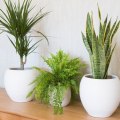
Pruning is a fundamental aspect of indoor plant care that often goes overlooked by many plant enthusiasts. Understanding the importance of pruning can significantly enhance the health and appearance of your indoor plants. This practice not only helps in maintaining the aesthetic appeal of your greenery but also plays a crucial role in promoting growth and vitality. By removing dead or overgrown branches, you allow your plants to focus their energy on new growth, resulting in a more robust and vibrant display. The benefits of pruning extend beyond mere aesthetics.
Regularly trimming your indoor plants can prevent diseases by improving air circulation and reducing the risk of pests. Additionally, pruning encourages bushier growth, which can lead to fuller plants that are more visually appealing. For those who enjoy cultivating specific shapes or sizes, mastering the art of pruning is essential. It allows you to tailor your plants to fit your space while ensuring they thrive. In essence, understanding how to prune effectively is a cornerstone of indoor plant care.
Whether you are a novice or an experienced gardener, incorporating proper pruning techniques into your routine will not only enhance the beauty of your indoor garden but also contribute to the overall health and longevity of your plants. As we delve deeper into this topic, you will discover practical tips and methods that will empower you to prune with confidence.
When to Prune Your Indoor Plants
Understanding when to prune your indoor plants is crucial for maintaining their health and promoting growth. The best time to prune varies depending on the type of plant, but there are general guidelines that can help you determine the optimal timing.Seasonal Pruning Tips
Most indoor plants benefit from pruning during the spring and summer months. This is when they are actively growing, and pruning can encourage new growth and flowering.Here are some seasonal tips:
- Spring: As plants emerge from dormancy, this is an ideal time to remove dead or damaged leaves and stems. It helps redirect energy to new growth.
- Summer: Light pruning can be done to shape the plant and remove any overgrown areas. This is also a good time to pinch back flowering plants to promote bushier growth.
- Fall: While not the best time for major pruning, you can still remove any dead foliage as the plant prepares for dormancy.
- Winter: Avoid heavy pruning during this period, as most plants are in a dormant state. However, you can trim away any dead or unhealthy parts.
Signs Your Plant Needs Pruning
Recognizing the signs that your indoor plant needs pruning is essential for effective indoor plant care.Look for these indicators:
- Yellowing Leaves: If leaves are turning yellow or brown, it may be time to prune them away to prevent disease spread.
- Leggy Growth: If your plant is stretching towards the light and becoming leggy, pruning can help encourage a fuller shape.
- Pests or Disease: If you notice signs of pests or disease, promptly prune affected areas to protect the rest of the plant.
- Overcrowding: If branches are crossing or overcrowded, thinning them out will improve air circulation and light penetration.
Essential Tools for Pruning Indoor Plants
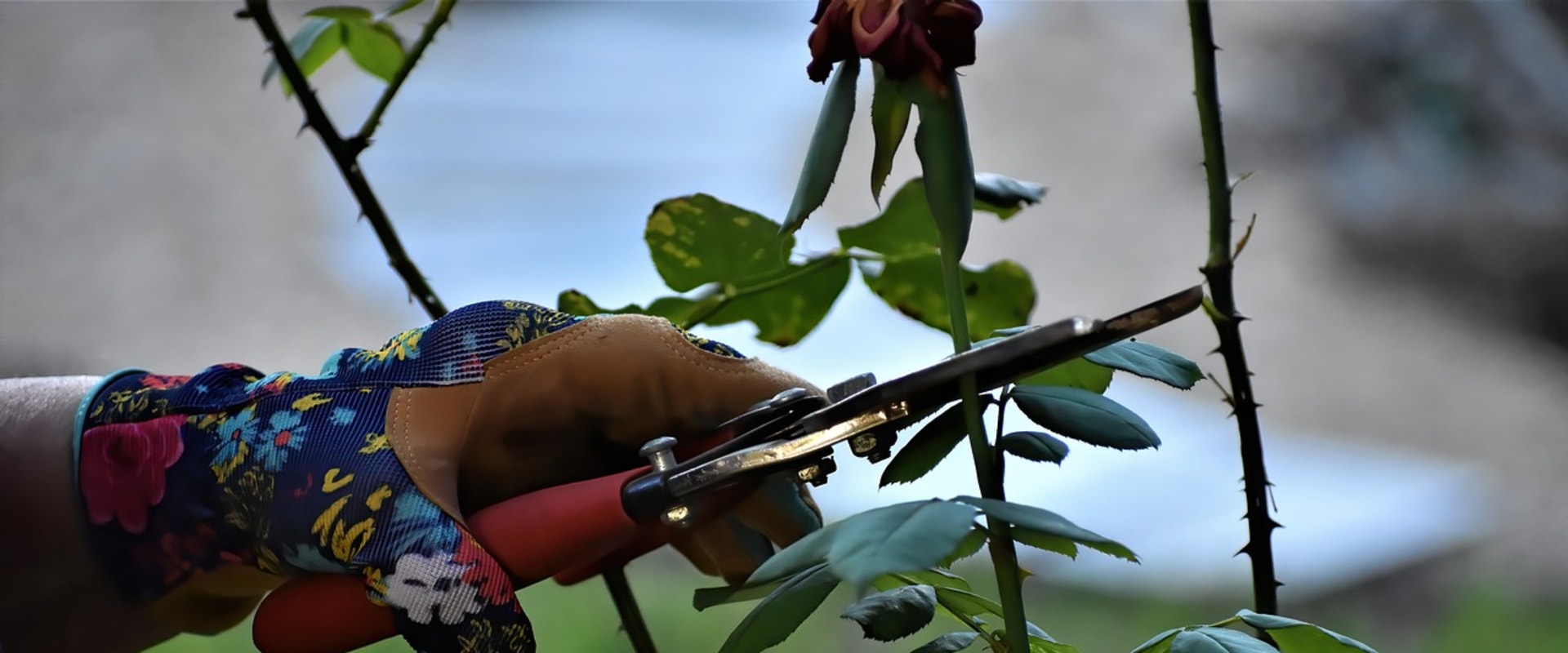
Pruning your indoor plants effectively requires the right tools to ensure clean cuts and promote healthy growth. Here are some essential tools that every indoor gardener should have:- Pruning Shears: A pair of high-quality pruning shears is indispensable for indoor plant care. Look for shears with sharp, stainless steel blades that can easily cut through stems and branches. Bypass pruners are particularly effective as they create a clean cut, minimizing damage to the plant.
- Scissors: For smaller plants or delicate leaves, a good pair of scissors can be just as effective as pruning shears.
Choose scissors that are sharp and comfortable to hold, allowing for precision when trimming.
- Garden Knife: A garden knife is useful for removing dead leaves or cutting back thicker stems. Its versatility makes it a great addition to your indoor gardening toolkit.
- Cleaning Supplies: Keeping your tools clean is crucial to prevent the spread of disease among your plants. Use rubbing alcohol or a bleach solution to disinfect your tools before and after use.
- Gloves: While not a cutting tool, wearing gloves can protect your hands from thorns and irritants found on some plants. Choose gloves that provide a good grip while allowing you to feel what you’re doing.
Regularly check your tools for wear and tear, replacing them as necessary to ensure optimal performance.
Step-by-Step Guide to Pruning Indoor Plants
Pruning your indoor plants is essential for maintaining their health and promoting growth. Here’s a step-by-step guide to help you prune effectively:- Gather Your Tools: Before you start, make sure you have the right tools. You will need sharp pruning shears or scissors, gloves, and possibly a small brush for cleaning.
- Identify the Right Time: The best time to prune most indoor plants is during their active growing season, typically in spring or early summer. This allows the plant to recover quickly.
- Assess the Plant: Take a good look at your plant.
Identify any dead, damaged, or diseased leaves and stems. Also, look for areas where the plant is overgrown or has an unbalanced shape.
- Start with Dead or Damaged Parts: Begin by removing any dead or damaged leaves and stems. Cut these back to the base of the stem or leaf node to encourage new growth.
- Thin Out Overcrowded Areas: If your plant has become too bushy, selectively prune some of the stems to allow more light and air circulation. Aim to remove about one-third of the foliage at a time.
- Shape the Plant: For aesthetic purposes, shape your plant by trimming back longer stems to create a more balanced appearance.
Make cuts just above a leaf node to promote branching.
- Clean Up: After pruning, clean your tools with rubbing alcohol to prevent disease spread. Remove any fallen leaves or debris from the pot and surrounding area.
With proper care and attention, your indoor plants will thrive!
Common Mistakes to Avoid When Pruning Indoor Plants
Pruning indoor plants can be a rewarding experience, but it’s easy to make mistakes that can hinder their growth and health. Here are some common mistakes to avoid when pruning your indoor plants:- Pruning at the Wrong Time: Timing is crucial when it comes to pruning. Many plants have specific growing seasons, and pruning during the wrong time can stress the plant. Always research the best time to prune your specific indoor plants.
- Using Dull Tools: Using dull or dirty tools can lead to ragged cuts that may invite disease.
Always use sharp, clean pruning shears to ensure a clean cut and minimize damage.
- Over-Pruning: It’s tempting to remove a lot of foliage, but over-pruning can shock the plant and stunt its growth. Aim to remove no more than 20-30% of the plant at one time.
- Ignoring Plant Health: Before you prune, assess the overall health of your plant. If it’s stressed due to pests or disease, pruning may exacerbate the problem. Address any underlying issues first.
- Not Considering Plant Shape: Pruning should enhance the natural shape of the plant.
Avoid cutting randomly; instead, focus on maintaining a balanced appearance that promotes healthy growth.
Pruning Specific Types of Indoor Plants
Pruning is an essential aspect of indoor plant care, and different types of indoor plants require specific techniques to thrive. Here’s how to effectively prune some popular indoor plants.Pruning Succulents
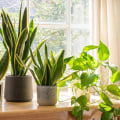
Succulents are known for their thick, fleshy leaves and stems, which store water. When pruning succulents, follow these steps:- Identify dead or damaged leaves: Remove any leaves that are brown, shriveled, or mushy.
- Trim leggy growth: If your succulent is stretching towards the light, cut back the elongated stems to encourage bushier growth.
- Use clean tools: Always use sterilized scissors or pruning shears to prevent disease.
Pruning Ferns
Ferns can become unruly if not pruned regularly.Here’s how to keep them in check:
- Remove brown fronds: Cut away any fronds that have turned brown or yellow to promote new growth.
- Thin out crowded areas: If your fern is too dense, selectively prune some fronds to improve air circulation.
- Avoid over-pruning: Only remove what is necessary; ferns thrive on their foliage.
How to Prune Houseplants
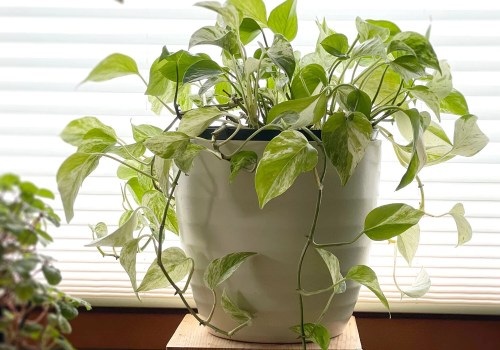
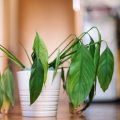
General houseplants like pothos or peace lilies also benefit from regular pruning. Here are some tips:- Cut back leggy stems: For plants that have grown unevenly, trim back the longer stems to encourage a fuller appearance.
- Pinch off flowers: If your flowering houseplant has wilted blooms, pinch them off to redirect energy into new growth.
- Monitor for pests: While pruning, check for any signs of pests or disease and address them promptly.
FAQs About Pruning Indoor Plants
Pruning indoor plants can be a daunting task for many plant enthusiasts. Here are some frequently asked questions that can help clarify the process and ease your concerns.1.When is the best time to prune my indoor plants?
The ideal time to prune most indoor plants is during their active growing season, typically in spring and early summer.This timing allows the plant to recover quickly and encourages new growth. However, some plants may benefit from light pruning in the fall or winter.
2.How much should I prune?
It’s essential to avoid over-pruning, which can stress your plant. A good rule of thumb is to remove no more than one-third of the plant at a time. Focus on dead or yellowing leaves, as well as any stems that are crossing or overcrowded.3.What tools do I need for pruning?
Using the right tools is crucial for effective pruning.You will need:
- Sharp scissors or pruning shears: Ensure they are clean to prevent disease transmission.
- Gloves: Protect your hands, especially if you’re working with plants that have thorns or irritants.
- A clean cloth: For wiping down tools before and after use.
4.Should I fertilize after pruning?
Yes, fertilizing after pruning can help your plant recover and promote new growth. Use a balanced fertilizer diluted to half strength about two weeks after pruning.5.What if I accidentally prune too much?
If you’ve pruned too much, don’t panic! Ensure your plant receives adequate water and light, and consider using a rooting hormone on any cuttings you may have taken. This can help stimulate growth in new shoots.By addressing these common concerns, you can approach indoor plant care with confidence and ensure your plants thrive through proper pruning techniques.Conclusion: Embracing the Art of Pruning for Thriving Indoor Plants
In conclusion, mastering the art of pruning is essential for anyone dedicated to indoor plant care. By understanding the specific needs of your plants and employing the right techniques, you can significantly enhance their health and aesthetic appeal.Pruning not only encourages new growth but also helps in maintaining the desired shape and size of your indoor greenery. Throughout this article, we have explored various aspects of pruning, including:
- Timing: Knowing when to prune is crucial. Most indoor plants benefit from pruning during their active growing season, typically in spring or early summer.
- Tools: Using the right tools, such as sharp shears or scissors, ensures clean cuts that minimize damage to the plant.
- Techniques: Different plants require different pruning methods. Whether it’s pinching back stems or cutting away dead leaves, understanding these techniques is vital for effective care.
- Aftercare: Post-pruning care is just as important. Providing adequate light, water, and nutrients after pruning can help your plants recover and thrive.
Remember that each plant is unique; therefore, observing their responses to pruning will guide you in refining your approach over time. Embrace the journey of nurturing your indoor plants through thoughtful pruning, and watch them flourish like never before.