Caring for indoor plants is not just a hobby; it’s a rewarding experience that brings life and vibrancy into our homes. However, indoor plant care goes beyond simply watering and providing sunlight. Understanding the potential threats to plant health is crucial for maintaining a thriving indoor garden. Just like any living organism, indoor plants are susceptible to various diseases that can hinder their growth and vitality. Common indoor plant diseases can stem from a variety of sources, including overwatering, poor air circulation, and inadequate lighting.
These factors create an environment where pathogens can thrive, leading to issues such as root rot, leaf spot, and powdery mildew. Recognizing the signs of these diseases early on is essential for effective treatment and prevention. By being proactive in your care routine, you can significantly reduce the risk of disease and ensure your plants remain healthy. In this article, we will delve deeper into the most prevalent diseases that affect indoor plants, equipping you with the knowledge needed to identify symptoms and implement preventive measures. Whether you are a seasoned plant enthusiast or a novice gardener, understanding these common ailments will empower you to take better care of your green companions and enjoy their beauty for years to come.
Understanding Plant Diseases
Plant diseases are disruptions in the normal functioning of plants caused by various pathogens, including fungi, bacteria, viruses, and nematodes.Understanding these diseases is essential for effective indoor plant care, as they can significantly impact the health and vitality of your plants.Plant diseases typically develop when a combination of three factors occurs: a susceptible host (the plant), a pathogen (the disease-causing agent), and an environment conducive to disease development. This triad is often referred to as the disease triangle.
How Do Plant Diseases Develop?
The development of plant diseases can be influenced by several factors:- Environmental Conditions: High humidity, poor air circulation, and inadequate light can create an ideal environment for pathogens to thrive.
- Plant Stress: Stressed plants are more susceptible to diseases. Factors such as overwatering, underwatering, or nutrient deficiencies can weaken a plant's defenses.
- Pathogen Presence: The presence of pathogens in the soil or on plant surfaces can lead to infection. These pathogens can be introduced through contaminated tools, soil, or even new plants.
- Fungal Diseases: Common in indoor plants, these include powdery mildew and root rot.
- Bacterial Diseases: Often manifest as leaf spots or wilting; examples include bacterial blight.
- Viral Diseases: These can cause stunted growth and discoloration; they are often spread by insects.
Regular monitoring, proper watering techniques, and maintaining optimal growing conditions are key strategies in preventing plant diseases.
Fungal Diseases in Indoor Plants
Indoor plants are susceptible to a variety of fungal diseases, which can significantly impact their health and appearance. Understanding these common fungal infections is crucial for effective indoor plant care.Common Fungal Infections:
- Powdery Mildew: This disease appears as a white, powdery substance on leaves and stems. It thrives in warm, dry conditions and can spread quickly if not addressed.
- Root Rot: Caused by overwatering, root rot leads to dark, mushy roots and can cause the plant to wilt or die. Symptoms include yellowing leaves and stunted growth.
- Leaf Spot: Characterized by dark spots on leaves, this infection can be caused by various fungi.
It often results from high humidity and poor air circulation.
- Botrytis Blight: This fungal disease causes gray mold on flowers and leaves, particularly in damp conditions. It can lead to significant damage if not controlled.
Prevention of Fungal Diseases:
- Proper Watering: Ensure that you do not overwater your plants. Allow the top inch of soil to dry out before watering again.
- Adequate Air Circulation: Space your plants appropriately to promote airflow, which helps reduce humidity levels around the foliage.
- Cleanliness: Regularly remove dead leaves and debris from the soil surface to minimize fungal spores.
- Fungicides: If you notice signs of fungal infections, consider using a suitable fungicide as a preventive measure or treatment.
Bacterial Diseases Affecting Indoor Plants
Bacterial diseases can pose a significant threat to the health of your indoor plants. These infections often arise from poor care practices, such as overwatering or inadequate air circulation, making it crucial to understand their symptoms and treatment options.Common Symptoms of Bacterial Infections
- Leaf Spots: One of the most noticeable signs is the appearance of dark, water-soaked spots on leaves, which may eventually turn yellow and fall off.
- Wilting: Affected plants may exhibit wilting despite adequate watering, indicating that the roots are compromised.
- Soft Rot: This condition leads to mushy stems or leaves, often accompanied by a foul odor, indicating severe bacterial infection.
- Stunted Growth: Bacterial diseases can hinder a plant's growth, resulting in smaller leaves and overall reduced vigor.
Treatment for Bacterial Diseases
Addressing bacterial infections promptly is essential for the survival of your indoor plants.
Here are some effective treatment strategies:
- Remove Affected Parts: Prune away any infected leaves or stems to prevent the spread of bacteria.
- Improve Air Circulation: Ensure that your plants have adequate space between them to promote airflow, which can help reduce humidity levels that favor bacterial growth.
- Adjust Watering Practices: Allow the soil to dry out between waterings and avoid overhead watering to minimize moisture on leaves.
- Use Bactericides: In severe cases, consider applying a bactericide specifically formulated for indoor plants. Always follow the manufacturer's instructions for safe application.
Viral Diseases in Indoor Plants
Viral diseases can pose a significant threat to the health of your indoor plants, often leading to stunted growth and unsightly foliage. Unlike bacterial or fungal infections, viral diseases are typically more challenging to manage and can spread rapidly among plants.Signs of Viral Infections
Recognizing the signs of viral infections early is crucial for effective management. Common symptoms include:- Leaf mottling: Irregular patterns of light and dark green on leaves.
- Distorted growth: Leaves may curl, twist, or become misshapen.
- Stunted growth: Overall plant growth may be significantly reduced.
- Color changes: Leaves may exhibit unusual colors, such as yellowing or browning.
Managing Viral Diseases
While there is no cure for viral infections in plants, there are several strategies you can employ to manage and mitigate their impact:- Isolation: Immediately isolate infected plants to prevent the virus from spreading to healthy ones.
- Sanitation: Regularly clean your gardening tools and pots to eliminate potential virus carriers.
- Remove infected parts: Prune away severely affected leaves or stems to help the plant focus its energy on recovery.
- Healthy practices: Ensure your plants are well-cared for with proper watering, light, and nutrients to strengthen their defenses against diseases.
Remember that prevention is key; maintaining a healthy environment will go a long way in ensuring your indoor plant care efforts are successful.
Environmental Factors Contributing to Plant Diseases
Indoor plants thrive in environments that closely mimic their natural habitats. Understanding how environmental factors such as humidity, light, and temperature affect plant health is crucial for preventing diseases.Humidity
Humidity levels play a significant role in the overall health of indoor plants. Most houseplants prefer a humidity level between 40% and 60%. Low humidity can lead to drying out of leaves, making them more susceptible to pests and diseases like spider mites and powdery mildew.To maintain optimal humidity:
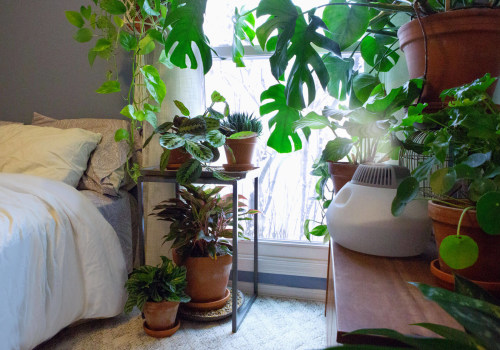
- Use a humidifier in dry seasons.
- Group plants together to create a microclimate.
- Place a tray of water with pebbles under pots to increase moisture in the air.
Light
The amount and quality of light your plants receive directly impact their health. Insufficient light can weaken plants, making them vulnerable to diseases. Conversely, too much direct sunlight can scorch leaves. To ensure your plants receive the right amount of light:- Identify the light requirements of each plant species.
- Rotate plants regularly to promote even growth.
- Use sheer curtains to diffuse harsh sunlight for sensitive plants.
Temperature
Temperature fluctuations can stress indoor plants, leading to weakened defenses against diseases.Most indoor plants thrive in temperatures between 65°F and 75°F (18°C to 24°C). To maintain stable temperatures:
- Avoid placing plants near drafts or heating vents.
- Monitor temperature changes, especially during seasonal transitions.
- Consider using a thermometer to keep track of indoor conditions.
Preventative Measures for Indoor Plant Care
Maintaining healthy indoor plants requires a proactive approach to preventing plant diseases. By implementing best practices in indoor plant care, you can significantly reduce the risk of infections and infestations. Here are some effective strategies to keep your plants thriving:- Choose the Right Plants: Select indoor plants that are well-suited to your home environment.
Consider factors such as light availability, humidity levels, and temperature.
- Proper Watering Techniques: Overwatering is a common cause of plant diseases. Ensure that pots have drainage holes and only water when the top inch of soil feels dry. This helps prevent root rot and fungal growth.
- Maintain Humidity Levels: Many indoor plants thrive in higher humidity. Use a humidifier or place a tray of water near your plants to maintain optimal moisture levels, especially during dry seasons.
- Regular Cleaning: Dust can accumulate on leaves, blocking sunlight and promoting pests.
Wipe leaves with a damp cloth regularly to keep them clean and healthy.
- Inspect for Pests: Regularly check your plants for signs of pests such as spider mites or aphids. Early detection allows for prompt treatment, preventing larger infestations.
- Rotate Your Plants: To ensure even growth and exposure to light, rotate your plants every few weeks. This practice helps prevent leaning and promotes balanced development.
- Use Quality Soil: Invest in high-quality potting soil that provides adequate drainage and nutrients. Avoid reusing old soil, as it may harbor pathogens.
Frequently Asked Questions About Indoor Plant Diseases
Indoor plants can be susceptible to a variety of diseases, and understanding these issues is crucial for effective indoor plant care.Here are some frequently asked questions regarding indoor plant diseases:
- What are the signs of disease in indoor plants?
Common signs include yellowing leaves, wilting, stunted growth, and the presence of spots or mold. If you notice any of these symptoms, it’s essential to investigate further. - How can I prevent diseases in my indoor plants?
Prevention is key! Ensure proper indoor plant care by providing adequate light, avoiding overwatering, and maintaining good air circulation. Regularly inspect your plants for any signs of distress. - What should I do if I find a diseased plant?
Isolate the affected plant immediately to prevent the spread of disease. Remove any dead or infected leaves and consider using an appropriate fungicide or pesticide based on the type of disease. - Are there specific diseases that commonly affect indoor plants?
Yes, some common diseases include root rot, powdery mildew, and leaf spot.Each has distinct symptoms and treatment methods, so identifying the specific issue is crucial for effective management.
- Can indoor plants recover from disease?
Many indoor plants can recover if the disease is caught early and treated properly. Consistent care and monitoring will help your plants regain their health.
Conclusion: Keeping Your Indoor Plants Healthy
In conclusion, maintaining the health of your indoor plants is crucial for a thriving indoor garden. Understanding the common diseases that can affect these plants is the first step in effective indoor plant care.By recognizing the signs of issues such as powdery mildew, root rot, and leaf spot, you can take timely action to prevent further damage.Regular monitoring and proper care practices are essential. Here are some key takeaways to keep your indoor plants healthy:
- Inspect regularly: Check your plants frequently for any signs of disease or distress.
- Maintain proper watering: Overwatering is a common cause of root rot, so ensure your pots have good drainage and only water when necessary.
- Provide adequate light: Each plant has specific light requirements; ensure they receive the right amount of sunlight to thrive.
- Use quality soil: Healthy soil can prevent many diseases, so choose a well-draining potting mix suitable for your plant type.
- Fertilize appropriately: Over-fertilization can lead to nutrient burn and attract pests, so follow recommended guidelines for feeding your plants.