Caring for indoor plants can be a rewarding experience, but it often comes with its own set of challenges. Understanding the basics of indoor plant care is essential for anyone looking to cultivate a thriving indoor garden. From selecting the right species to providing adequate light and moisture, each aspect plays a crucial role in the health of your plants. Many new plant owners dive in without fully grasping these fundamentals, leading to common pitfalls that can hinder their plants' growth. One of the most frequent mistakes is overwatering, which can lead to root rot and other serious issues.
Conversely, underwatering can cause plants to wilt and become stressed. It's vital to learn how to assess your plants' needs based on their specific requirements and environmental conditions. Additionally, understanding the importance of light exposure is key; different plants thrive in varying light conditions, and placing them in unsuitable locations can stunt their growth. Another common error is neglecting to consider humidity levels, especially for tropical plants that require higher moisture in the air. Regularly checking for pests and diseases is also crucial, as early detection can save your plants from significant damage.
By familiarizing yourself with these plant care tips, you can create a nurturing environment that promotes healthy growth and longevity for your indoor plants.
Overwatering: The Most Common Mistake
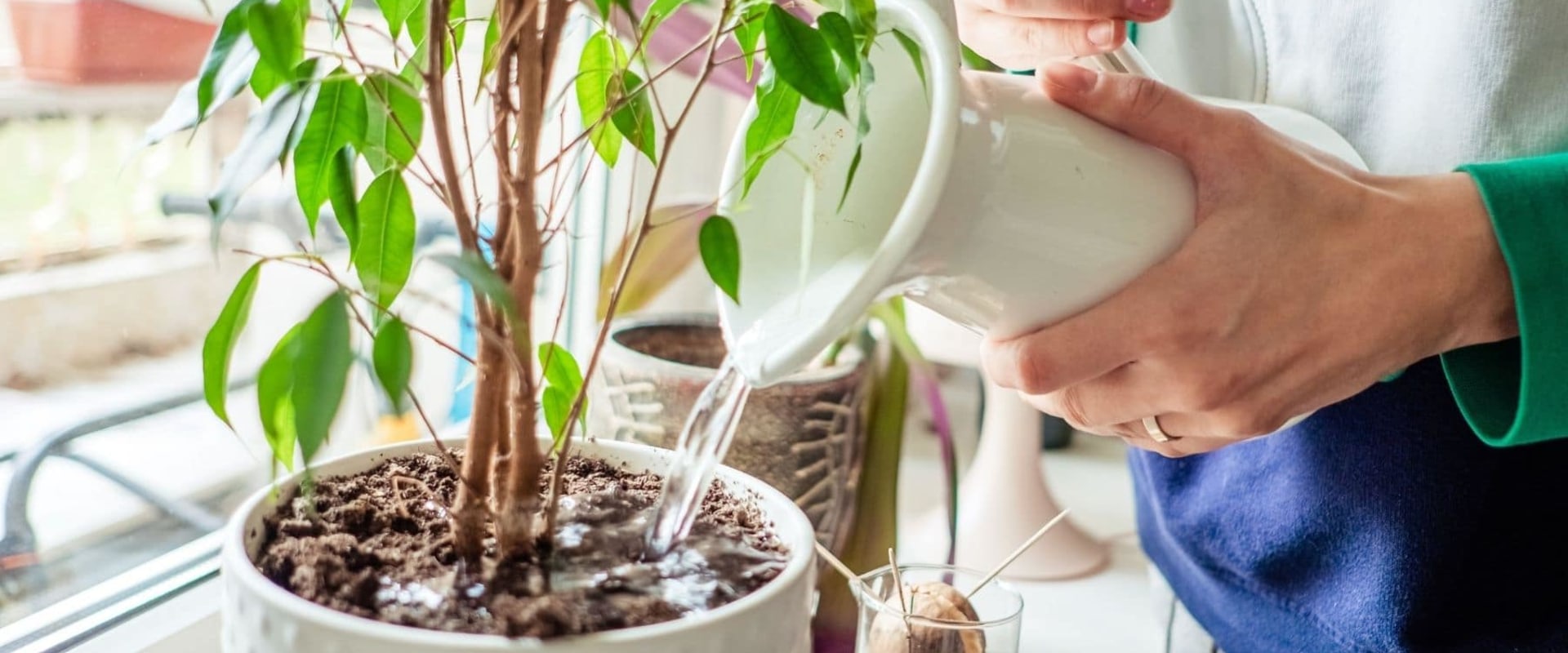
One of the most prevalent issues in indoor plant care is overwatering. This mistake often stems from a well-meaning desire to keep plants healthy, but it can lead to dire consequences. Understanding the causes and symptoms of overwatering is essential for any indoor gardener.Causes of Overwatering
- Watering too frequently without allowing the soil to dry out.
- Using pots without drainage holes, which prevents excess water from escaping.
- Assuming all plants have the same watering needs, leading to inconsistent care.
Signs of Overwatering
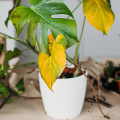
- Yellowing leaves: One of the first signs that your plant is receiving too much water.
- Wilting: Ironically, overwatered plants may also appear wilted due to root damage.
- Mold or fungus: The presence of mold on the soil surface indicates excessive moisture.
- Root rot: A serious condition where roots begin to decay, often leading to plant death.
How to Fix Overwatered Plants
- Assess the situation: Check the soil moisture level using your finger or a moisture meter.
- Stop watering: Allow the soil to dry out completely before considering watering again.
- Improve drainage: If your pot lacks drainage holes, consider repotting into one that does.
- Trim damaged roots: If root rot has set in, carefully trim away affected roots and repot in fresh soil.
Underwatering: The Silent Killer
When it comes to indoor plant care, one of the most common yet overlooked issues is underwatering.Unlike overwatering, which often garners more attention, underwatering can be a silent killer that sneaks up on even the most diligent plant parents.
Signs of underwatering
can manifest in several ways. The most noticeable symptoms include:- Wilting leaves: If your plant's leaves appear droopy or limp, it may be a sign that it’s not receiving enough water.
- Brown leaf tips: The edges of the leaves may turn brown and crispy, indicating that the plant is struggling to retain moisture.
- Dry soil: If the top inch of soil feels bone dry, it’s a clear indication that your plant needs a drink.
- Leaf drop: Some plants may shed their leaves as a defense mechanism against drought stress.
- Water thoroughly: When you do water, ensure you give your plant a deep soak. Allow water to drain from the bottom of the pot, ensuring that all roots receive moisture.
- Create a watering schedule: Establish a routine based on your plant's specific needs.
Some plants prefer to dry out completely between waterings, while others thrive in consistently moist soil.
- Increase humidity: For tropical plants, consider using a humidity tray or misting them regularly to help maintain moisture levels in the air.
- Monitor closely: After addressing underwatering, keep an eye on your plant for any signs of recovery or further distress. Adjust your care routine as needed.
Inadequate Lighting Conditions
One of the most common mistakes in indoor plant care is providing inadequate lighting conditions. Many plant owners underestimate the importance of light, which is crucial for photosynthesis and overall plant health.Different plants have varying lighting needs, and failing to meet these requirements can lead to stunted growth, poor health, or even death.
Signs of Insufficient Light
- Leggy Growth: If your plant is stretching towards the light source and has long, spindly stems, it’s a clear indication that it’s not receiving enough light.
- Pale Leaves: Leaves that lose their vibrant color and turn yellow or pale may signal that your plant is struggling due to low light levels.
- Slow Growth: A noticeable decrease in growth rate can also be a sign that your indoor plants are not getting the light they need.
- Leaf Drop: If leaves are falling off your plant, it could be a response to insufficient light, as the plant prioritizes survival over maintaining foliage.
Best Light for Indoor Plants
To ensure optimal growth, it’s essential to understand the type of light your plants require. Here are some general guidelines:
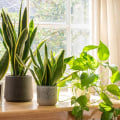
- Low Light Plants: Species like snake plants and pothos thrive in low-light conditions and can adapt well to indirect sunlight.
- Medium Light Plants: Plants such as peace lilies and spider plants prefer bright, indirect light but can tolerate some direct sunlight.
- High Light Plants: Succulents and cacti need plenty of direct sunlight, ideally 6 hours a day, to flourish.
Ignoring Humidity Levels
When it comes to indoor plant care, one of the most frequently overlooked aspects is humidity.Many indoor plants, especially tropical varieties, thrive in environments with higher humidity levels. Ignoring this crucial factor can lead to a range of problems that affect the health and vitality of your plants.
Understanding Indoor Plant Humidity Needs
Most houseplants prefer humidity levels between 40% and 60%. However, common household conditions often fall below this range, particularly during winter months when heating systems dry out the air. Plants like ferns, orchids, and peace lilies are particularly sensitive to low humidity and may show signs of distress if their needs are not met.Signs of Low Humidity
Recognizing the signs of low humidity is essential for effective indoor plant care.Here are some indicators that your plants may be suffering:
- Brown leaf tips: This is often the first sign that your plant is not getting enough moisture.
- Leaf drop: If your plant starts shedding leaves, it could be a response to dry air.
- Wilting: While wilting can also indicate underwatering, low humidity can exacerbate this issue.
- Pest infestations: Spider mites and other pests thrive in dry conditions, making your plants more vulnerable.
How to Increase Humidity for Plants
If you notice these signs, it’s time to take action. Here are some effective methods to increase humidity for your indoor plants:- Use a humidifier: This is one of the most efficient ways to maintain consistent humidity levels in your home.
- Create a pebble tray: Place a tray filled with water and pebbles under your plants. As the water evaporates, it will increase the humidity around them.
- Misting: Lightly misting your plants can provide temporary relief from low humidity, but be cautious not to overdo it as this can lead to mold growth.
- Group plants together: By clustering plants, you create a microenvironment with higher humidity due to their collective transpiration.
Neglecting Soil Quality and Drainage
When it comes to indoor plant care, one of the most overlooked aspects is the quality of the soil and its drainage capabilities.Many plant owners assume that any potting mix will suffice, but this can lead to a host of problems that ultimately affect plant health.
Understanding Indoor Plant Soil Types
Different plants have varying soil requirements. For instance, succulents and cacti thrive in sandy, well-draining soil, while tropical plants prefer a richer, moisture-retaining mix. Using the wrong type of soil can lead to issues such as root rot or nutrient deficiencies. It’s essential to research the specific needs of your plants to select the appropriate soil type.The Importance of Drainage
Proper drainage is crucial for maintaining healthy indoor plants.Without adequate drainage, excess water can accumulate at the bottom of the pot, leading to soggy soil and root rot. To ensure good drainage:
- Choose pots with drainage holes.
- Consider adding a layer of gravel or perlite at the bottom of the pot.
- Avoid using saucers that retain water under the pots.
How to Choose Potting Soil
When selecting potting soil, look for mixes that are specifically formulated for indoor plants. These blends often contain a combination of organic matter, peat moss, and perlite or vermiculite to enhance aeration and drainage. Additionally, consider:- Organic options: Organic potting soils are free from synthetic fertilizers and pesticides, making them a healthier choice for both plants and indoor air quality.
- Pre-fertilized mixes: Some potting soils come pre-fertilized, providing essential nutrients for your plants during their initial growth phase.
By understanding the specific soil types needed for your plants and ensuring proper drainage, you can create an optimal environment that promotes growth and vitality.
Pest Management Mistakes
Managing indoor plant pests can be a daunting task for many indoor gardeners, and several common mistakes can exacerbate the problem. Understanding these pitfalls is crucial for maintaining healthy plants.- Ignoring Early Signs of Infestation: One of the most significant errors is failing to recognize the early signs of pest infestation. Look for yellowing leaves, webbing, or small holes in the foliage. These symptoms often indicate that pests like spider mites or aphids are present.
Regularly inspecting your plants can help catch infestations before they escalate.
- Overwatering: While it’s essential to keep your plants hydrated, overwatering can create a breeding ground for pests such as fungus gnats. Ensure that your pots have proper drainage and allow the soil to dry out between waterings.
- Using Inappropriate Pest Control Methods: Many indoor gardeners resort to harsh chemicals without considering safer alternatives. Chemical pesticides can harm beneficial insects and may not effectively target the specific pests affecting your plants. Instead, consider using natural remedies like neem oil or insecticidal soap, which are less harmful to both plants and the environment.
- Neglecting Plant Hygiene: Failing to maintain cleanliness around your plants can lead to pest problems.
Dust and debris can attract pests and provide them with hiding spots. Regularly clean the leaves of your plants and the surrounding area to minimize this risk.
- Not Quarantining New Plants: Bringing new plants into your home without quarantining them first can introduce pests to your existing collection. Always isolate new additions for at least two weeks to monitor for any signs of infestation before integrating them with your other plants.
Fertilization Errors: Too Much or Too Little?
When it comes to indoor plant care, one of the most common mistakes is improper fertilization.Many plant owners either over-fertilize or under-fertilize their houseplants, both of which can lead to serious health issues for the plants.
Signs of Over-Fertilization
- Leaf Burn: One of the most noticeable signs is the browning or burning of leaf tips. This occurs when excess nutrients build up in the soil, causing salt accumulation.
- Wilting: Over-fertilized plants may exhibit wilting despite adequate watering, as the roots struggle to absorb water due to high salt levels.
- Stunted Growth: Ironically, too much fertilizer can stunt growth. The plant may show signs of nutrient lockout, where it cannot absorb essential nutrients.
When to Fertilize Houseplants
Timing is crucial in indoor plant fertilization. Most houseplants benefit from fertilization during their active growing season, typically spring and summer.
During these months, plants are more receptive to nutrients and can utilize them effectively. In contrast, fertilizing during the dormant months (fall and winter) can lead to nutrient buildup in the soil.
Indoor Plant Fertilization Tips
- Read Labels: Always follow the instructions on fertilizer packaging. Different plants have varying nutrient needs.
- Dilute Fertilizers: When in doubt, dilute your fertilizer to half strength. This helps prevent over-fertilization while still providing essential nutrients.
- Monitor Plant Health: Regularly check your plants for signs of distress.
Adjust your fertilization routine based on their response.
Failure to Repot When Necessary
One of the most common mistakes in indoor plant care is failing to recognize when a plant needs repotting. Over time, plants can outgrow their containers, leading to a host of issues that can affect their health and growth.When to Repot Indoor Plants
Knowing when to repot your indoor plants is crucial. Here are some signs that indicate it might be time for a new pot:- Root Bound: If you notice roots growing out of the drainage holes or circling around the surface of the soil, your plant is likely root bound.
- Stunted Growth: A sudden halt in growth during the growing season can signal that your plant has outgrown its current pot.
- Water Drainage Issues: If water is pooling on the surface instead of soaking in, it may be time to repot into fresh soil.
- Soil Degradation: Over time, soil can lose its nutrients and structure. If your plant's soil looks compacted or depleted, consider repotting.
Repotting Tips for Houseplants
When you decide it's time to repot, keep these tips in mind to ensure a smooth transition for your indoor plants:- Choose the Right Pot: Select a pot that is 1-2 inches larger in diameter than the current one.
Too large a pot can lead to overwatering issues.
- Use Fresh Soil: Always use high-quality potting mix to provide your plant with essential nutrients and good drainage.
- Handle with Care: Be gentle when removing the plant from its old pot. Avoid damaging the roots as much as possible.
- Water After Repotting: Water your plant thoroughly after repotting to help settle the soil and eliminate air pockets.
Conclusion: Key Takeaways on Indoor Plant Care Mistakes
In conclusion, understanding the common mistakes in indoor plant care is essential for fostering a thriving indoor garden. By recognizing these pitfalls, you can significantly enhance the health and longevity of your plants. Here are the key takeaways to remember:- Overwatering is one of the most frequent errors. Always check the soil moisture before watering to prevent root rot.
- Insufficient light can hinder growth.
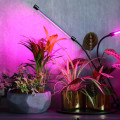
Ensure your plants receive adequate natural light or consider using grow lights if necessary.
- Neglecting humidity levels can affect tropical plants. Use a humidifier or pebble trays to maintain optimal humidity.
- Ignoring pests can lead to infestations. Regularly inspect your plants and treat any issues promptly.
- Using the wrong soil can impede drainage and nutrient absorption. Choose a potting mix suitable for your specific plant type.
Remember, each plant has unique needs, so take the time to research and understand what works best for your green companions. With proper attention and care, your indoor garden can flourish beautifully.