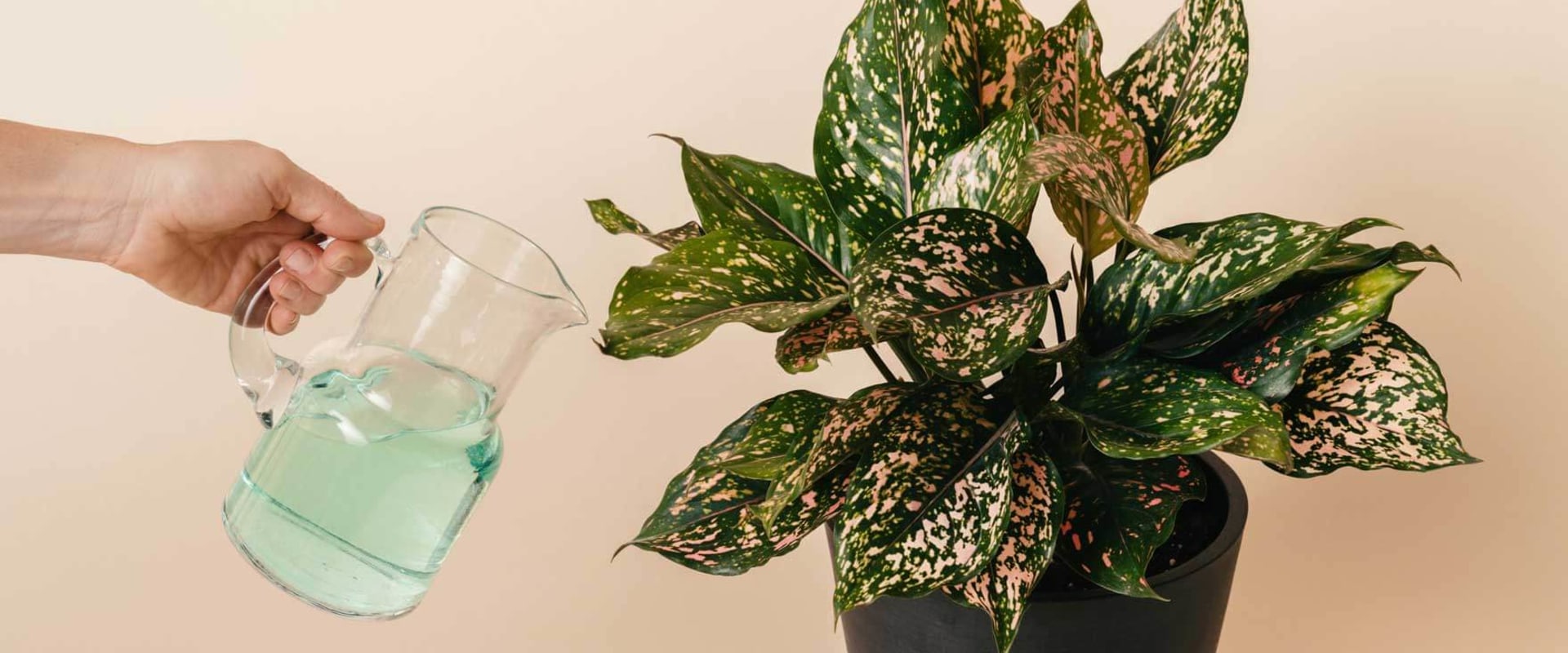
Caring for indoor plants is more than just watering them occasionally; it involves a comprehensive understanding of their needs to ensure they thrive in your home. Proper indoor plant care encompasses various aspects, including light, humidity, and, importantly, nutrition. Just like humans, plants require essential nutrients to grow strong and healthy. This is where fertilization comes into play. Many plant enthusiasts often overlook the significance of fertilizing their indoor plants, assuming that regular watering is sufficient.
However, as plants grow, they deplete the soil of vital nutrients. Without replenishing these nutrients through appropriate fertilization, your plants may exhibit stunted growth or even decline in health. Understanding the basics of plant care is crucial for any indoor gardener who wishes to create a vibrant and flourishing indoor garden. In this article, we will delve into the specifics of how often you should fertilize your indoor plants, taking into account various factors such as plant type, growth stage, and seasonal changes. By mastering the art of fertilization within the broader context of indoor plant care, you can ensure that your green companions not only survive but thrive in your living space.
The Role of Fertilization in Indoor Plant Health
Fertilization plays a pivotal role in maintaining the health and vitality of your indoor plants.Unlike outdoor plants that can draw nutrients from the soil, indoor plants rely on you to provide the essential elements they need to thrive. Understanding the importance of fertilization is crucial for any indoor plant care routine.
Essential Nutrients for Indoor Plants
- Nitrogen: Vital for leaf growth and overall plant vigor, nitrogen helps in the synthesis of proteins and chlorophyll.
- Phosphorus: This nutrient is key for root development and flowering. It aids in energy transfer within the plant.
- Potassium: Important for overall plant health, potassium helps regulate water usage and enhances disease resistance.
- Micronutrients: Elements like iron, manganese, and zinc are needed in smaller amounts but are equally important for various physiological functions.
A well-fertilized plant is more likely to produce vibrant foliage and beautiful blooms, making it a centerpiece in your home.However, it's important to note that over-fertilization can be detrimental. Too much fertilizer can lead to nutrient burn, which damages roots and stunts growth. Therefore, understanding the specific needs of your plants and following a balanced fertilization schedule is key to successful indoor plant care.In summary, regular fertilization is essential for maintaining the health of your indoor plants. By providing them with the right nutrients at the right time, you ensure they remain lush, vibrant, and resilient against environmental stressors.
How Often Should You Fertilize Indoor Plants?
Understanding how often to fertilize your indoor plants is crucial for their health and growth.The fertilizing schedule can vary significantly depending on the type of plant, its growth stage, and the season.
General Guidelines for Fertilization:
- During the Growing Season: Most indoor plants experience active growth in spring and summer. During this period, it is generally recommended to fertilize every 4 to 6 weeks. This frequency supports robust growth and vibrant foliage.
- During Dormancy: In fall and winter, many plants enter a dormant phase. Fertilizing should be reduced or even halted during these months, as plants require less nutrition.
If you choose to fertilize, limit it to once every 8 to 12 weeks.
Specific Needs Based on Plant Type:
- Tropical Plants: These plants thrive in warm conditions and typically benefit from regular feeding during the growing season. A balanced liquid fertilizer every 4 weeks is ideal.
- Cacti and Succulents: These hardy plants require less frequent fertilization. A diluted fertilizer every 6 to 8 weeks during the growing season is sufficient.
For indoor flowering plants, such as orchids or African violets, a high-phosphorus fertilizer can be applied every 4 weeks during their blooming period to encourage more flowers.
Types of Fertilizers for Indoor Plants
When it comes to indoor plant care, understanding the different types of fertilizers available is crucial for promoting healthy growth.Fertilizers can be broadly categorized into two main types: organic and synthetic.
Organic Fertilizers
Organic fertilizers are derived from natural sources, such as plant or animal matter. They release nutrients slowly, which helps to improve soil structure and promote beneficial microbial activity. Some popular organic options include:- Compost: A rich source of nutrients that improves soil health.
- Worm Castings: Packed with nutrients and beneficial microbes.
- Fish Emulsion: A liquid fertilizer that provides a quick nutrient boost.
- Bone Meal: High in phosphorus, promoting root development and flowering.
Synthetic Fertilizers
Synthetic fertilizers are chemically manufactured and often provide a quick nutrient release. They can be tailored to meet specific nutrient needs, making them a popular choice among indoor gardeners.Common types include:
- Granular Fertilizers: Slow-release options that feed plants over time.
- Liquid Fertilizers: Fast-acting solutions ideal for immediate nutrient uptake.
- Water-Soluble Fertilizers: Easily mixed with water for quick application.
Signs Your Indoor Plants Need Fertilizer
Understanding the signs that your indoor plants need fertilizer is crucial for maintaining their health and vitality.When plants lack essential nutrients, they exhibit specific symptoms that can help you identify when to take action.
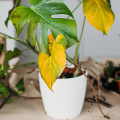
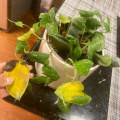
- Yellowing Leaves: One of the most common signs of nutrient deficiency is yellowing leaves, particularly older leaves. This can indicate a lack of nitrogen, which is vital for healthy leaf growth.
- Stunted Growth: If your plant seems to have stopped growing or is growing at a significantly slower rate than usual, it may be time to fertilize. Nutrient deficiencies can hinder a plant's ability to thrive.
- Pale or Discolored Foliage: Healthy plants typically have vibrant foliage. If you notice that the leaves are becoming pale or losing their rich color, this could signal a lack of essential nutrients.
- Leaf Drop: An indoor plant that is dropping leaves may be experiencing stress due to nutrient deficiencies.
This is especially true if the plant has been in the same potting mix for an extended period.
- Slow Flowering or No Flowers: For flowering plants, a lack of blooms can indicate insufficient nutrients. If your plant is not producing flowers as expected, it may need a boost from fertilizer.
Common Mistakes in Fertilizing Indoor Plants
When it comes to indoor plant care, understanding the common mistakes in fertilizing can significantly enhance your plants' health and growth.Here are some pitfalls to avoid:
- Over-fertilizing: One of the most frequent errors is applying too much fertilizer. This can lead to nutrient burn, which manifests as brown leaf tips or edges. To prevent this, always follow the recommended dosage on the fertilizer label and consider diluting the solution if you're unsure.
- Under-fertilizing: On the flip side, neglecting to fertilize your plants can result in stunted growth and yellowing leaves. Indoor plants often require nutrients that may not be sufficiently available in potting soil over time.
A balanced approach is key; fertilize regularly but in moderation.
- Ignoring plant type: Different plants have varying nutritional needs. For instance, succulents and cacti require less fertilizer compared to tropical plants. Research your specific plant species to tailor your fertilization schedule accordingly.
- Fertilizing during dormancy: Many indoor plants enter a dormant phase during winter months. Fertilizing during this time can disrupt their natural cycle and lead to stress.
It’s best to pause fertilization until new growth appears in spring.
Frequently Asked Questions About Indoor Plant Fertilization
When it comes to indoor plant care, understanding the nuances of fertilization can significantly impact your plants' health. Here are some frequently asked questions regarding fertilization:- How often should I fertilize my indoor plants? Most indoor plants benefit from fertilization every 4 to 6 weeks during the growing season, which typically spans from spring to early fall.
In winter, many plants enter a dormant phase and require less frequent feeding.
- What type of fertilizer is best for indoor plants? A balanced, water-soluble fertilizer is often recommended for indoor plants. Look for a formula with equal parts nitrogen, phosphorus, and potassium (N-P-K) to support overall growth. Organic options, such as fish emulsion or compost tea, can also be beneficial.
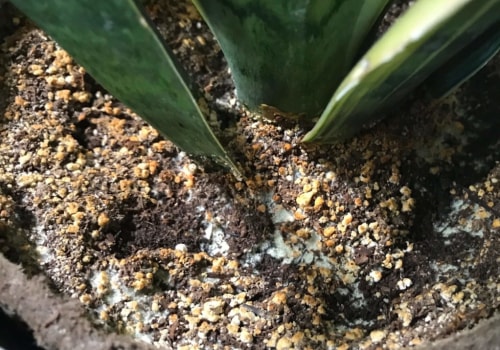
- Can I over-fertilize my indoor plants? Yes, over-fertilization can lead to salt buildup in the soil, which can harm your plants. Signs of over-fertilization include yellowing leaves and stunted growth.
If you suspect this, flush the soil with water to help remove excess salts.
- Should I fertilize my plants when they are newly potted? It’s generally advisable to wait a few weeks after repotting before applying fertilizer. This allows the plant to acclimate to its new environment and reduces the risk of root burn.
- What if my indoor plants are not growing well? If your plants are struggling despite regular fertilization, consider other factors such as light conditions, watering practices, and pest issues. Sometimes, poor growth can be attributed to inadequate light rather than a lack of nutrients.
Conclusion: Mastering Indoor Plant Care Through Proper Fertilization
In conclusion, mastering indoor plant care hinges significantly on understanding the role of fertilization. As we have explored, the frequency and type of fertilizer you choose can greatly influence the health and vitality of your plants.Regularly assessing your plants' needs and adjusting your fertilization schedule accordingly is essential for optimal growth.To recap, here are the key takeaways:
- Understand your plant's specific needs: Different species have varying requirements for nutrients, so it's crucial to research the specific needs of your indoor plants.
- Seasonal adjustments: Most indoor plants benefit from more frequent fertilization during their active growing season (spring and summer) and less during dormancy (fall and winter).
- Signs of nutrient deficiency: Keep an eye out for yellowing leaves, stunted growth, or other signs that may indicate a lack of nutrients, prompting you to adjust your fertilization routine.
- Quality over quantity: Using high-quality fertilizers tailored to your plants can yield better results than simply increasing the amount you apply.