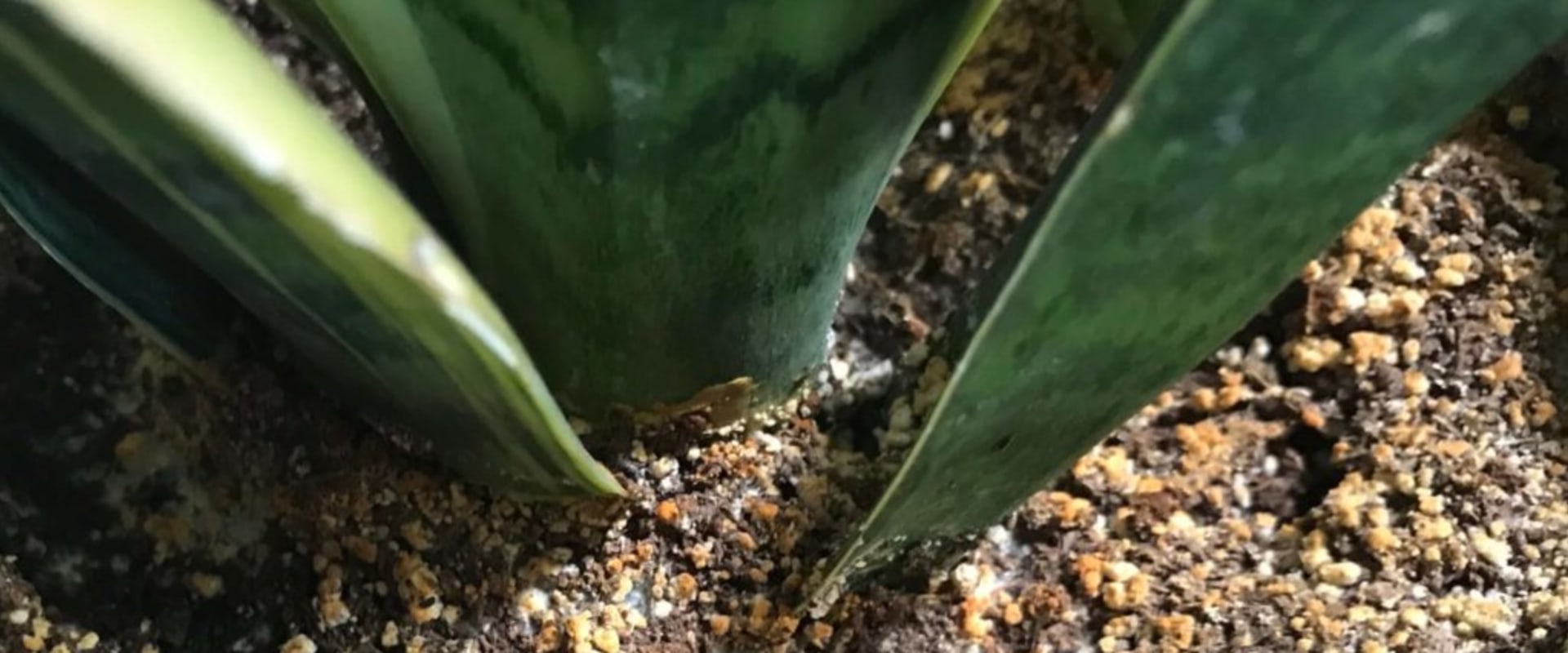
Caring for your indoor plants is not just about providing them with sunlight and the right potting mix; it also involves understanding their specific watering needs. Each plant species has its own unique requirements, and recognizing when your plant is thirsty is crucial for its health and longevity. Overwatering can be just as detrimental as underwatering, making it essential to find the right balance. One of the most common issues faced by indoor gardeners is underwatering, which can lead to a range of problems, from wilting leaves to stunted growth. As a plant owner, being able to identify the signs that indicate your plant needs more water is vital.
This knowledge not only helps in maintaining the aesthetic appeal of your indoor garden but also ensures that your plants thrive in their environment. In this section, we will explore the key indicators that suggest your indoor plant is in need of hydration. By learning to recognize these signs, you can take proactive steps to adjust your watering routine, ultimately enhancing your overall indoor plant care strategy. Whether you're a seasoned plant enthusiast or a beginner, understanding these signals will empower you to create a healthier living space filled with vibrant greenery.
Common Signs Your Indoor Plant Needs More Water
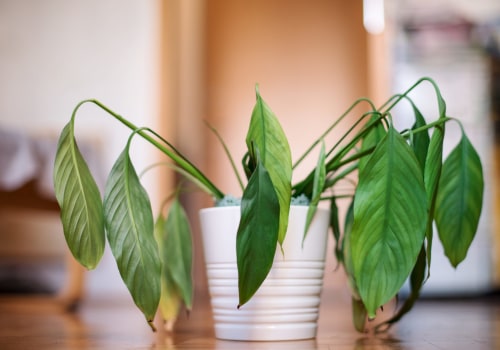
Understanding the signs of underwatering is crucial for maintaining healthy indoor plants. When your plant is thirsty, it will exhibit several telltale symptoms that can help you identify its needs.- Drooping Leaves: One of the most noticeable signs that your indoor plant needs more water is drooping leaves.
If the leaves appear limp and are hanging down rather than standing upright, it’s a clear indication that your plant is struggling.
- Dry Soil: Another sign to watch for is dry soil. If you stick your finger into the soil and it feels dry several inches down, it’s time to give your plant a drink. Soil that pulls away from the edges of the pot can also indicate that it’s too dry.
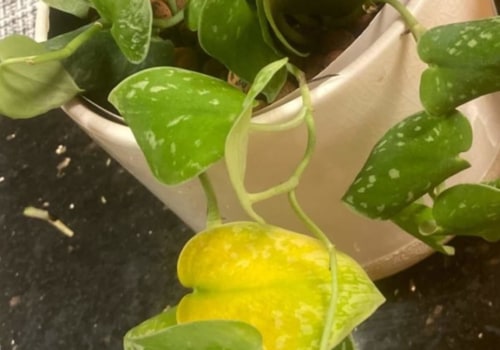
- Yellowing Leaves: While yellowing leaves can be a sign of various issues, in many cases, it indicates that your plant is not receiving enough water. If the lower leaves are turning yellow and dropping off, this could be a sign of stress due to insufficient moisture.
A lack of water can stunt growth and lead to an overall unhealthy appearance. Regularly checking for these symptoms will help you ensure that your indoor plants receive the proper indoor plant care they need to thrive.
The Role of Soil Moisture in Plant Health
Understanding soil moisture is crucial for maintaining the health of your indoor plants. The right moisture level ensures that plants can absorb essential nutrients and thrive. When soil is too dry, plants may exhibit signs of stress, such as wilting or yellowing leaves.Conversely, overly saturated soil can lead to root rot, which can be detrimental to plant health.To effectively monitor soil moisture levels, there are several methods you can employ:
- Finger Test: Insert your finger about an inch into the soil. If it feels dry at that depth, it’s time to water.
- Weight Test: Lift the pot to gauge its weight. A heavy pot usually indicates sufficient moisture, while a light pot suggests dryness.
- Moisture Meter: A moisture meter for plants is a handy tool that provides a quick and accurate reading of soil moisture levels. Simply insert the probe into the soil, and the meter will indicate whether your plant needs water.
Different plants have varying moisture requirements, so it’s essential to understand the specific needs of each species in your collection. For instance, succulents prefer drier conditions compared to tropical plants that thrive in consistently moist soil.In summary, maintaining optimal soil moisture is vital for indoor plant care. By utilizing simple methods like the finger test or investing in a moisture meter, you can ensure your plants remain healthy and vibrant.
Factors Influencing Water Needs of Indoor Plants
Understanding the water needs of your indoor plants is crucial for their health and longevity. Several factors influence how much water different species require, and being aware of these can help you provide optimal indoor plant care.Plant Species Water Needs
Different plant species have varying water requirements.For instance, succulents and cacti thrive in dry conditions and need minimal watering, while tropical plants like ferns and peace lilies prefer consistently moist soil. Researching the specific needs of your plants can prevent overwatering or underwatering, both of which can lead to stress or disease.
Environmental Factors
The environment in which your plants are kept plays a significant role in their water needs. Factors such as light exposure, air circulation, and pot size can affect how quickly the soil dries out. For example, plants placed in bright, direct sunlight may require more frequent watering than those in shaded areas.Additionally, larger pots retain moisture longer than smaller ones, so adjust your watering schedule accordingly.
Humidity and Temperature Effects
Humidity levels in your home can also impact how much water your plants need. In dry environments, such as during winter months with heating systems running, plants may lose moisture more rapidly through their leaves. Conversely, high humidity can slow down evaporation, meaning less frequent watering is necessary. Similarly, higher temperatures generally increase a plant's water consumption, while cooler temperatures may reduce it.By considering these factors—plant species, environmental conditions, and humidity levels—you can better assess when your indoor plants need watering.Regularly checking the soil moisture and observing your plants' overall health will guide you in providing the best care possible.
How to Properly Water Your Indoor Plants
Properly watering your indoor plants is crucial for their health and longevity. Understanding the right techniques and best practices can help you avoid common pitfalls like overwatering or underwatering.Watering Techniques
- Check the Soil Moisture: Before watering, always check the top inch of soil. If it feels dry, it’s time to water. If it’s still moist, wait a few days.
- Water Thoroughly: When you do water, ensure that you water deeply.
This means allowing water to flow through the drainage holes at the bottom of the pot. This encourages deep root growth.
- Use Room Temperature Water: Cold water can shock your plants. Use water that is at room temperature for optimal absorption.
Best Practices for Watering Plants
- Avoid Watering on a Schedule: Instead of sticking to a strict schedule, observe your plants and adjust based on their needs. Factors like humidity, temperature, and plant type can affect how often you should water.
- Use a Moisture Meter: For those unsure about soil moisture levels, a moisture meter can provide accurate readings and help you determine when to water.
- Consider Plant Type: Different plants have different watering needs.
Research your specific indoor plants to understand their requirements better.
Frequency of Watering Indoor Plants
The frequency of watering varies widely among different types of indoor plants. Generally, most indoor plants require watering every 1-2 weeks, but this can change based on environmental conditions. During warmer months, you may need to increase the frequency, while in cooler months, reduce it.By following these techniques and best practices, you can ensure that your indoor plants receive the right amount of water they need to thrive.
FAQs About Indoor Plant Watering
When it comes to indoor plant care, understanding how often to water your plants is crucial for their health. The frequency of watering can vary based on several factors, including the type of plant, the size of the pot, and the environmental conditions.Generally, most indoor plants thrive when watered every 1-2 weeks, but it's essential to check the soil moisture before making a decision.
How Often to Water Indoor Plants
- Check the top inch of soil: If it feels dry, it’s time to water.
- Consider the season: Plants may require more water during the growing season (spring and summer) and less during dormancy (fall and winter).
- Observe your plant: Yellowing leaves can indicate overwatering, while browning leaf tips may suggest underwatering.
Can You Overwater Indoor Plants?
Yes, overwatering is a common mistake among indoor plant owners. It can lead to root rot, which is detrimental to your plant's health. Signs of overwatering include:
- Wilting leaves despite wet soil.
- Yellowing leaves that drop off.
- Mold or algae growth on the soil surface.
Signs of Overwatering vs Underwatering
Distinguishing between overwatering and underwatering is vital for effective indoor plant care. Here are some key differences:
- Overwatering: Leaves are yellow and mushy; soil remains soggy for extended periods.
- Underwatering: Leaves are crispy or brown at the edges; soil feels dry and pulls away from the pot's sides.
Conclusion: Mastering Indoor Plant Care Through Proper Watering
In conclusion, mastering indoor plant care hinges significantly on understanding the watering needs of your plants.Recognizing the signs that your indoor plants require more water is crucial for their health and longevity. By paying attention to the visual cues and changes in your plants, you can ensure they thrive in their environment. Some key indicators to watch for include:
- Wilting leaves: If the leaves appear droopy or limp, it’s often a sign that your plant is thirsty.
- Dry soil: Checking the top inch of soil can reveal whether it’s time to water. If it feels dry to the touch, your plant likely needs hydration.
- Leaf discoloration: Yellowing leaves can indicate both overwatering and underwatering, but if they are crispy and brown at the edges, it’s a clear sign of insufficient water.
- Slow growth: A lack of water can stunt growth, so if your plant isn’t growing as expected, consider adjusting your watering schedule.
Regularly assessing your plants and adjusting their care will lead to healthier growth and a more vibrant indoor garden. Ultimately, understanding the signs that indicate a need for more water not only enhances your skills in indoor plant care, but also fosters a deeper connection with nature within your home. Happy planting!.