When it comes to indoor plant care, understanding the phenomenon known as plant shock is essential for any plant enthusiast. Plant shock occurs when a plant experiences stress due to changes in its environment, such as being moved to a new location. This stress can disrupt the plant's normal physiological processes, leading to a range of symptoms that can affect its overall health and vitality. There are several causes of plant shock, with the most common being changes in light, temperature, humidity, and soil conditions. For instance, if you move your plant from a low-light area to a bright, sunny window, it may struggle to adapt to the sudden increase in light intensity.
Similarly, a drastic change in temperature—like moving a plant from a warm room to a cooler one—can also trigger shock. Recognizing these factors is crucial for effective indoor plant care.The symptoms of plant shock can vary widely but often include wilting leaves, yellowing foliage, stunted growth, and leaf drop. If you notice these signs shortly after relocating your plant, it’s likely experiencing shock. Understanding these symptoms not only helps you identify when your plants are in distress but also empowers you to take appropriate action to help them recover.
By providing the right conditions and care during this adjustment period, you can minimize the effects of shock and promote a healthier environment for your indoor plants.
Signs Your Indoor Plant is in Shock
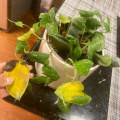
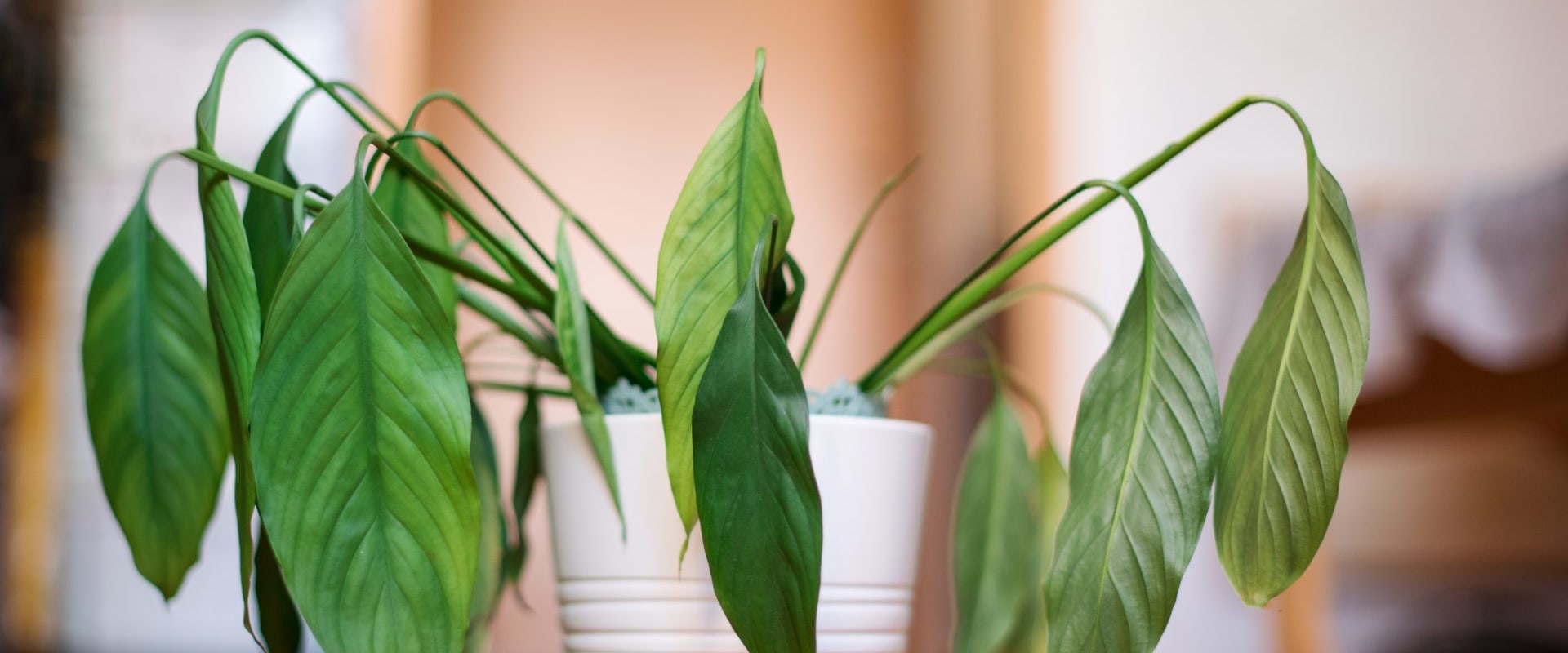
When you move your indoor plant to a new location, it can experience shock, which manifests through various symptoms. Recognizing these signs early can help you take action to restore your plant's health. Here are some common signs of plant shock to watch for:- Wilting: One of the first indicators of shock is wilting leaves. If your plant appears droopy or limp, it may be struggling to adjust to its new environment.
- Yellowing Leaves: If the leaves start turning yellow, this could signal stress. This discoloration often occurs when the plant is not receiving the right amount of light or water.
- Stunted Growth: A sudden halt in growth can indicate that your plant is in shock.
If you notice that new leaves or stems are not developing as they should, it may be time to reassess its conditions.
- Leaf Drop: Some plants may respond to shock by shedding their leaves. If you find leaves falling off more than usual, this is a clear sign that your plant is unhappy.
- Brown Edges or Tips: Browning on the edges or tips of leaves can indicate that the plant is either too dry or experiencing root stress due to a change in its environment.
Common Causes of Plant Shock After Moving
When relocating your indoor plants, several factors can contribute to plant shock, which can manifest as wilting, yellowing leaves, or stunted growth.Understanding these causes is crucial for effective indoor plant care.
- Light Changes: One of the most significant factors is the change in light conditions. If your plant was previously in a bright spot and is moved to a shadier area, it may not receive the necessary light for photosynthesis. Conversely, moving a plant from low light to direct sunlight can scorch its leaves.
- Temperature Fluctuations: Indoor plants are sensitive to temperature changes. A sudden shift from a warm room to a cooler one, or vice versa, can stress the plant.
Ensure that the new location maintains a consistent temperature that suits your plant's needs.
- Humidity Levels: Many indoor plants thrive in high humidity environments. Moving them to a drier area can lead to dehydration and stress. Consider using a humidifier or placing a tray of water near your plants to maintain adequate moisture levels.
- Soil Disturbance: When moving plants, the roots can be disturbed, leading to shock. If possible, keep the root ball intact during the move to minimize disruption.
- Pest Exposure: Relocating plants can expose them to new pests or diseases present in the new environment.
Regularly inspect your plants for any signs of infestation after moving.
How to Minimize Shock When Moving Indoor Plants
When relocating your indoor plants, taking steps to minimize shock is crucial for their health and longevity. Here are some effective strategies to ensure a smooth transition:- Gradual Acclimatization: Before moving your plant to a new location, allow it to acclimate gradually. Start by placing it in a similar environment, such as a room with similar light and temperature conditions, for a few days.
- Maintain Consistent Conditions: Try to replicate the previous environment as closely as possible.
This includes light levels, humidity, and temperature. Sudden changes can stress your plant.
- Watering Wisely: Ensure your plant is adequately watered before the move, but avoid overwatering. A well-hydrated plant is less likely to experience shock. After moving, monitor the soil moisture closely and adjust your watering schedule accordingly.
- Handle with Care: When transporting your plants, be gentle.
Avoid jostling or dropping them, as physical stress can contribute to shock. Use sturdy containers and support taller plants to prevent bending or breaking.
- Limit Exposure: If possible, minimize the time your plant spends outside its usual environment. Prolonged exposure to drafts or direct sunlight during the move can exacerbate stress.
- Post-Move Care: After relocating your plant, give it some time to adjust. Avoid fertilizing immediately after the move; instead, focus on providing stable conditions and monitoring its health.
Remember that indoor plant care is an ongoing process that requires attention and adaptability to ensure your plants thrive in their new surroundings.
Caring for a Shocked Indoor Plant: Recovery Tips
When your indoor plant is experiencing shock from being moved, it’s crucial to provide the right care to help it recover. Here are some effective recovery tips to support your plant during this vulnerable time:- Assess the Environment: Ensure that the new location has suitable conditions for your plant. Check for adequate light, temperature, and humidity levels. If the light is too harsh or too dim, consider relocating the plant again.
- Watering Wisely: Overwatering can exacerbate shock symptoms.
Allow the top inch of soil to dry out before watering again. Use room temperature water to avoid shocking the roots further.
- Avoid Fertilizing: Hold off on fertilizing until your plant shows signs of recovery. Fertilizers can stress a shocked plant even more, as they require energy to process nutrients.
- Prune Damaged Leaves: If you notice any yellowing or wilting leaves, gently prune them away. This helps the plant redirect its energy towards new growth.
- Be Patient: Recovery can take time.
Monitor your plant closely for signs of improvement, such as new growth or healthier leaves. Avoid making frequent changes to its environment during this period.
Frequently Asked Questions About Plant Shock
Understanding plant shock is crucial for anyone who cares for indoor plants. Here are some frequently asked questions that can help you identify and manage this condition effectively.- What are the signs of plant shock? Common symptoms include yellowing leaves, wilting, stunted growth, and leaf drop.
If your plant exhibits these signs after being moved, it may be experiencing shock.
- How long does plant shock last? The duration of plant shock can vary depending on the species and the extent of the stress. Generally, it can last from a few days to several weeks. During this time, it's essential to monitor your plant closely.
- Can I help my plant recover from shock? Yes! To aid recovery, ensure your plant is in a suitable environment with appropriate light, humidity, and temperature. Avoid overwatering, as this can exacerbate stress.
- Is it normal for plants to drop leaves after moving? Yes, leaf drop is a common reaction to relocation.
It’s a way for the plant to conserve energy while it adjusts to its new surroundings.
- Should I fertilize my plant during shock? It’s best to avoid fertilizing until your plant shows signs of recovery. Fertilizers can add extra stress during this vulnerable period.
Conclusion: Key Takeaways on Indoor Plant Care and Shock Management
Understanding how to recognize and manage plant shock is crucial for anyone invested in indoor plant care. As we’ve discussed, moving your plants can lead to various stress responses, and being able to identify these signs early can make a significant difference in their recovery.Key Takeaways:
- Signs of Shock: Look for yellowing leaves, wilting, or stunted growth as indicators that your plant may be experiencing shock.
- Environmental Factors: Changes in light, temperature, and humidity can all contribute to shock.
Ensure that the new location mimics the plant's previous environment as closely as possible.
- Gradual Transition: When relocating your plants, consider a gradual transition to help them acclimate. This could involve moving them to a similar spot before making a more significant change.
- Watering Practices: Adjust your watering routine after a move. Overwatering can exacerbate shock symptoms, while underwatering can lead to further stress.
- Patience is Key: Recovery from shock can take time. Monitor your plants closely and provide consistent care as they adjust to their new surroundings.
Remember, effective indoor plant care goes beyond just watering; it involves understanding the needs of your plants and responding appropriately to their signals.