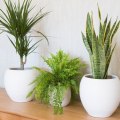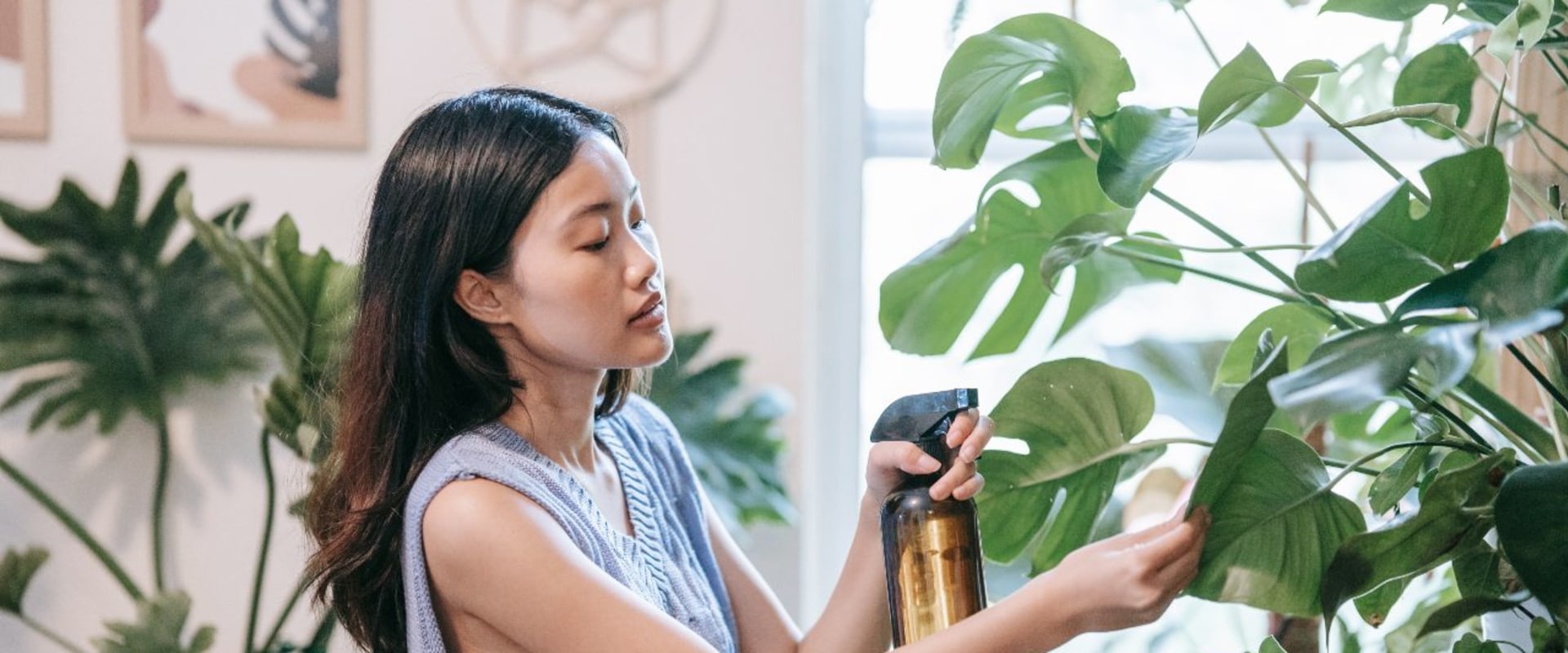
Caring for indoor plants is not just a hobby; it is an essential practice that contributes to a healthier living environment.
Indoor plant care
encompasses various aspects, including proper watering, adequate lighting, and, importantly, pest management. Healthy indoor plants not only enhance the aesthetic appeal of your home but also improve air quality, reduce stress, and promote overall well-being. Understanding the significance of maintaining these green companions is crucial for any plant enthusiast. Indoor plants serve as natural air purifiers, filtering out toxins and releasing oxygen.This makes them invaluable in urban settings where air quality can be compromised. However, the presence of pests can quickly undermine these benefits. Common pests such as aphids, spider mites, and mealybugs can wreak havoc on your plants, leading to stunted growth and even plant death if left unchecked. Therefore, effective pest control is a vital component of indoor plant care.Moreover, healthy indoor plants can significantly enhance your mood and productivity.
Studies have shown that being around greenery can boost creativity and concentration while reducing feelings of anxiety. To fully enjoy these benefits, it is essential to adopt a proactive approach to pest management. By understanding the importance of indoor plant care and implementing natural remedies for pest control, you can ensure that your plants thrive and continue to enrich your living space.
Common Pests Affecting Indoor Plants
Indoor plants can be a beautiful addition to your home, but they are often susceptible to a variety of pests. Understanding the common indoor plant pests is crucial for effective indoor plant care.Here are some of the most prevalent pests that can threaten your houseplants:
- Aphids: These small, soft-bodied insects can be green, black, or brown. They feed on plant sap, leading to stunted growth and yellowing leaves. Look for clusters on new growth or the undersides of leaves.
- Spider Mites: Tiny and often invisible to the naked eye, spider mites thrive in dry conditions. They create fine webs and cause stippling on leaves.
If you notice a dusty appearance or webbing, check for these pests.
- Mealybugs: Resembling small cotton balls, mealybugs are often found in leaf axils and on stems. They excrete a sticky substance called honeydew, which can lead to sooty mold.
- Scale Insects: These pests appear as small bumps on stems and leaves. They can be hard to spot but can cause significant damage by sucking sap from the plant.
- Whiteflies: Similar in appearance to tiny moths, whiteflies can be found on the undersides of leaves. They also produce honeydew and can lead to mold growth.
Regularly inspect your plants for signs of infestation, such as discoloration, wilting, or visible insects. If you suspect a pest problem, act quickly to prevent further damage.In addition to visual inspections, consider using sticky traps to monitor pest populations. These traps can help you identify which pests are present and gauge the severity of an infestation.By familiarizing yourself with these common pests and their signs, you can take proactive steps in your indoor plant care routine to keep your plants thriving.
Signs of Pest Infestation in Indoor Plants
Recognizing the signs of pest infestation in your indoor plants is crucial for maintaining their health and vitality. Early detection can prevent a minor issue from escalating into a full-blown infestation.Here are some common symptoms to watch for:
- Discoloration of Leaves: Yellowing or browning leaves can indicate stress caused by pests. Look for patches or spots that may suggest the presence of insects.
- Webbing: Fine webs on the undersides of leaves are often a sign of spider mites. These tiny pests can cause significant damage if not addressed promptly.
- Sticky Residue: A sticky substance, known as honeydew, may appear on leaves or surfaces beneath your plants. This is often produced by aphids or mealybugs and can lead to sooty mold.
- Visible Insects: The most obvious sign is the presence of insects themselves.
Check the undersides of leaves and along stems for pests like aphids, thrips, or whiteflies.
- Wilting or Dropping Leaves: If your plant's leaves are wilting or falling off without explanation, it could be a reaction to pest activity disrupting its ability to absorb nutrients and water.
Natural Remedies for Pest Control
When it comes to indoor plant care, dealing with pests can be a frustrating challenge. Fortunately, there are several natural remedies that can help you manage these unwanted visitors without resorting to harsh chemicals.Here are some effective DIY pest remedies and organic solutions for your indoor plants:
- Neem Oil: Extracted from the seeds of the neem tree, neem oil is a powerful natural pesticide. Mix a few drops of neem oil with water and a few drops of dish soap, then spray it on affected plants. This solution disrupts the life cycle of pests like aphids and spider mites.
- Insecticidal Soap: A simple mixture of water and mild soap can effectively suffocate soft-bodied insects. Ensure you use a soap that is free from additives and fragrances.
Spray directly on the pests, making sure to cover both the tops and undersides of leaves.
- Cayenne Pepper Spray: Combine water with cayenne pepper to create a spicy deterrent for pests. The strong scent and taste will repel many insects. Strain the mixture before spraying to avoid clogging your spray bottle.
- Garlic Spray: Garlic is not only great for cooking but also serves as an effective pest repellent. Blend garlic cloves with water, let it steep overnight, strain, and then spray on your plants to ward off aphids, whiteflies, and other pests.
- Essential Oils: Certain essential oils like peppermint, lavender, and tea tree oil can deter pests due to their strong scents.
Mix a few drops with water and spray on your plants for added protection.
- Diatomaceous Earth: This natural powder is made from fossilized algae and can be sprinkled around the base of your plants. It works by dehydrating insects that come into contact with it, making it an effective barrier against crawling pests.
Homemade Insecticidal Soaps and Sprays
When it comes to indoor plant care, one of the most effective and eco-friendly methods for managing pests is through the use of homemade insecticidal soaps and sprays. These natural remedies can help eliminate common pests like aphids, spider mites, and whiteflies without harming your plants or the environment.Homemade Insecticidal Soap Recipe
Creating your own insecticidal soap is simple and requires just a few ingredients:- Ingredients:
- 1 tablespoon of liquid dish soap (preferably biodegradable)
- 1 quart of water
- Instructions:
- Mix the liquid dish soap with water in a spray bottle.
- Shake gently to combine.
- Test the solution on a small area of the plant to ensure it does not cause any damage.
- If there are no adverse effects, spray the solution directly onto the affected areas of your plants, focusing on the undersides of leaves where pests often hide.
DIY Plant Sprays
In addition to insecticidal soaps, you can create various DIY plant sprays using natural ingredients that repel pests:- Garlic Spray: Blend 2-3 cloves of garlic with water, strain, and mix with a few drops of dish soap.
Spray on plants to deter insects.
- Peppermint Oil Spray: Mix 1 teaspoon of peppermint essential oil with 1 quart of water and a few drops of soap. This not only repels pests but also leaves a pleasant scent.
- Cayenne Pepper Spray: Combine 1 tablespoon of cayenne pepper with 1 quart of water and let it steep overnight. Strain and spray on plants to keep pests at bay.
Remember to reapply every few days or after watering to ensure continued protection.
Essential Oils as Natural Pest Deterrents
Essential oils have gained popularity as natural pest deterrents for indoor plants, offering an eco-friendly alternative to chemical pesticides. These concentrated plant extracts not only provide a pleasant aroma but also possess properties that can repel various pests.Some of the most effective essential oils for pest control include:- Peppermint Oil: Known for its strong scent, peppermint oil can deter aphids, spider mites, and whiteflies. Its invigorating aroma is also refreshing for indoor spaces.
- Lavender Oil: This oil is not only soothing for humans but also repels moths, fleas, and mosquitoes. Lavender's calming scent can enhance your indoor environment while protecting your plants.
- Eucalyptus Oil: Eucalyptus is effective against a variety of pests, including ants and cockroaches.
Its strong scent masks the pheromones that attract these insects.
- Tea Tree Oil: Renowned for its antifungal properties, tea tree oil can help combat mold and mildew while also repelling pests like aphids and mealybugs.
- Dilution: Always dilute essential oils before applying them to your plants. A common ratio is 10-15 drops of essential oil per cup of water.
- Mixing: Combine the diluted solution in a spray bottle. You may also add a few drops of liquid soap to help the oil mix with water and adhere to the plant leaves.
- Application: Spray the mixture on the affected areas of your plants, focusing on the undersides of leaves where pests often hide. Repeat this process every few days until you notice a reduction in pest activity.
With proper application, essential oils can be an effective part of your indoor plant care routine, helping to keep your green companions healthy and pest-free.
Beneficial Insects for Indoor Plant Care
When it comes to indoor plant care, utilizing beneficial insects can be an effective and eco-friendly way to manage pest populations. These natural predators not only help keep your plants healthy but also reduce the need for chemical pesticides that can be harmful to both plants and humans.Here are some of the most effective beneficial insects you can introduce to your indoor garden:- Ladybugs: Known for their voracious appetite for aphids, ladybugs can significantly reduce pest populations. They are easy to care for and thrive in indoor environments.
- Lacewings: The larvae of lacewings are often referred to as "aphid lions" due to their insatiable hunger for aphids, mealybugs, and other soft-bodied pests.
- Predatory Mites: These tiny mites feed on spider mites and thrips, making them a great choice for controlling these common indoor pests.
- Parasitic Wasps: While they may sound intimidating, these wasps are harmless to humans and pets. They lay their eggs inside pest insects like aphids and whiteflies, effectively controlling their populations.
- Choose the Right Species: Research which beneficial insects are best suited for the specific pests you are dealing with in your indoor garden.
- Create a Suitable Environment: Ensure that your indoor plants provide a hospitable environment for these insects, including adequate humidity and food sources.
- Avoid Pesticides: To maintain the health of beneficial insects, refrain from using chemical pesticides that could harm them.
This approach not only enhances the vitality of your plants but also contributes to a more sustainable gardening practice.
Preventive Measures for Indoor Plant Health
Maintaining the health of your indoor plants is crucial not only for their growth but also for preventing pest infestations. Here are some effective preventive measures to ensure your houseplants thrive and remain pest-free:- Regular Inspection: Frequently check your plants for any signs of pests or disease. Early detection can prevent a small problem from becoming a larger infestation.
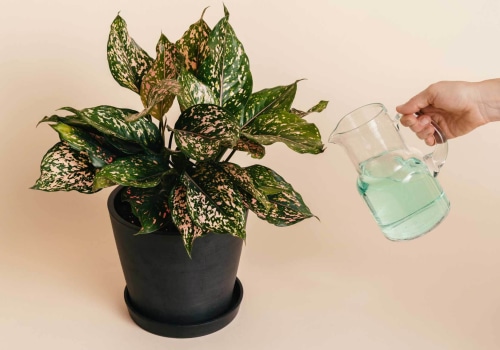
- Proper Watering: Overwatering can lead to root rot and create a breeding ground for pests. Ensure that you water your plants according to their specific needs, allowing the soil to dry out between waterings.
- Humidity Control: Many pests thrive in high humidity.
Use a dehumidifier or ensure proper air circulation around your plants to maintain an optimal humidity level.
- Clean Leaves: Dust can accumulate on the leaves of your plants, making them more susceptible to pests. Wipe the leaves with a damp cloth regularly to keep them clean and healthy.
- Companion Planting: Some plants naturally repel pests. Consider placing pest-repelling plants, such as marigolds or basil, near your indoor plants to deter unwanted visitors.
- Soil Health: Use high-quality potting soil that is free from pests and diseases. Consider adding organic matter or compost to improve soil health and plant resilience.
Remember, a proactive approach is key to successful indoor plant care.
Frequently Asked Questions about Indoor Plant Pest Control
When it comes to indoor plant care, understanding how to manage pests is crucial for maintaining healthy plants. Here are some frequently asked questions regarding pest control for houseplants:What are the most common pests found on indoor plants?
Indoor plants can attract a variety of pests, including:- Aphids: Small, soft-bodied insects that suck sap from plants.
- Spider mites: Tiny arachnids that create fine webs and cause leaf discoloration.
- Mealybugs: White, cotton-like pests that cluster in leaf joints.
- Scale insects: Hard, shell-like pests that attach themselves to stems and leaves.
- Fungus gnats: Small flies that thrive in moist soil and can damage roots.
How can I prevent pests on my indoor plants?
Preventing pests is often easier than dealing with an infestation. Here are some tips:- Regularly inspect your plants for signs of pests.
- Maintain proper watering practices to avoid overwatering, which attracts pests.
- Keep your plants clean by wiping leaves with a damp cloth to remove dust and potential eggs.
- Isolate new plants for a few weeks before introducing them to your collection.
What natural remedies can I use for pest control?
If you do encounter pests, consider these natural remedies:- Neem oil: A natural pesticide that disrupts the life cycle of many pests.
- Diatomaceous earth: A powder that can be sprinkled on the soil to deter crawling insects.
- Soap spray: A mixture of water and mild soap can suffocate soft-bodied insects like aphids and mealybugs.
- Cinnamon: This spice can act as a natural fungicide and deter some pests when sprinkled on the soil.
Conclusion: Nurturing Healthy Indoor Plants Naturally
In conclusion, maintaining healthy indoor plants is a rewarding endeavor that can be achieved through the use of natural remedies. As we have explored, these remedies not only help in managing pests but also promote a more sustainable approach to indoor plant care.Utilizing ingredients such as neem oil, soap solutions, and essential oils can effectively deter unwanted pests while ensuring that your plants remain safe from harsh chemicals.These natural solutions are not only effective but also environmentally friendly, making them an excellent choice for conscientious plant owners.Moreover, integrating practices like regular monitoring and maintaining optimal growing conditions can significantly reduce the likelihood of pest infestations. By keeping your plants healthy through proper watering, adequate light, and appropriate humidity levels, you create an environment that is less inviting to pests.As you embark on your journey of indoor plant care, remember that patience and consistency are key. Natural remedies may take time to show results, but their long-term benefits far outweigh the quick fixes offered by chemical treatments. Embrace these natural methods and watch your indoor garden thrive.Ultimately, nurturing your indoor plants with love and care will not only enhance their beauty but also contribute to a healthier living space for you and your family.
By choosing natural remedies, you are making a positive impact on both your plants and the environment.