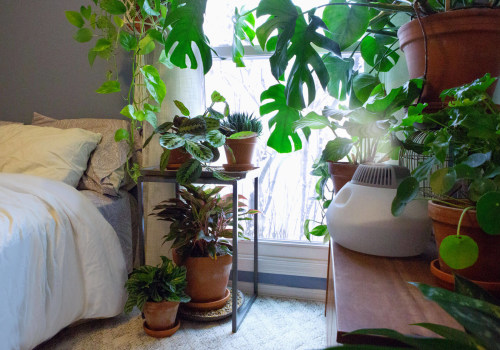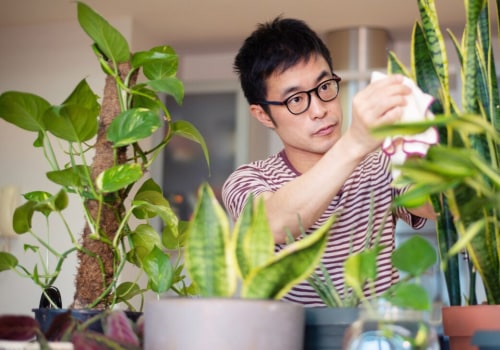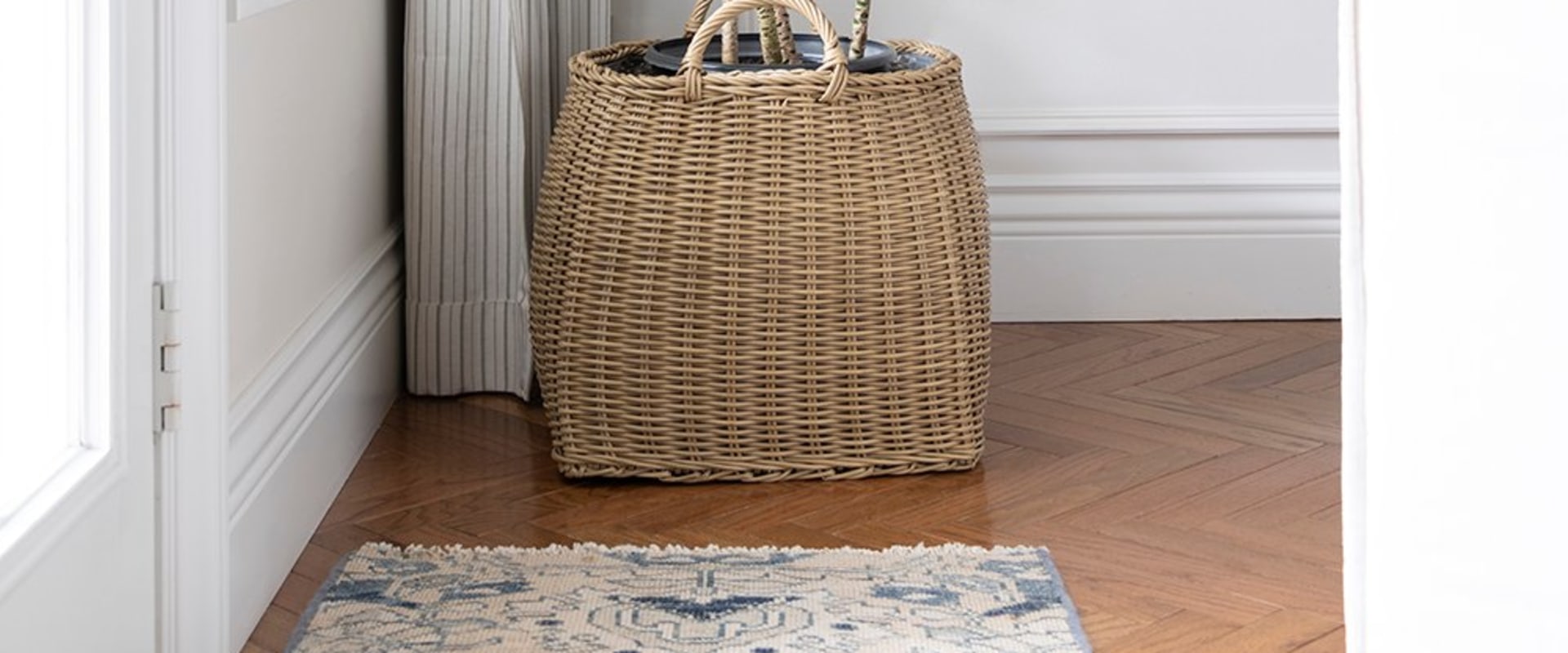
Indoor plant care is an essential aspect of creating a vibrant and healthy living space. With the right knowledge and techniques, anyone can cultivate a thriving indoor garden, even in less-than-ideal lighting conditions. Understanding the basics of plant care is crucial, especially when selecting low light plants that can flourish in dimly lit areas of your home. Many people underestimate the importance of proper care for their indoor plants. Factors such as watering, humidity, and soil type play significant roles in the health of your greenery.
For those who may not have a green thumb, choosing plants that are naturally suited to low light environments can simplify the process. These resilient species not only survive but can also enhance your indoor atmosphere with their lush foliage. As you embark on your journey into indoor gardening, it’s vital to familiarize yourself with the specific needs of each plant. Some may require more frequent watering or specific soil types, while others thrive on neglect. By understanding these nuances, you can ensure that your low light plants remain healthy and vibrant, contributing to a serene and inviting home environment.
Why Choose Low Light Indoor Plants?
Choosing low light indoor plants can significantly enhance your living space while requiring minimal effort in terms of indoor plant care.These plants are ideal for areas in your home that receive limited natural light, such as basements, north-facing rooms, or spaces with small windows. Here are some compelling reasons to consider incorporating low light plants into your decor:
- Adaptability: Low light plants are incredibly versatile and can thrive in various environments. This adaptability makes them perfect for urban dwellers or anyone with less-than-ideal lighting conditions.
- Low Maintenance: Many low light plants require minimal watering and care, making them suitable for busy individuals or those new to gardening. For instance, the snake plant and ZZ plant can go weeks without water.
- Aesthetic Appeal: These plants come in a variety of shapes, sizes, and colors, allowing you to create a visually appealing indoor garden.
Their lush foliage can add a touch of nature to any room.
- Air Purification: Some low light plants, like the peace lily, are known for their air-purifying qualities. They can help improve indoor air quality by filtering out toxins and releasing oxygen.
- Stress Reduction: Studies have shown that having plants indoors can reduce stress and enhance overall well-being. The presence of greenery can create a calming atmosphere, making your home feel more inviting.
Top Low Light Indoor Plants
When it comes to indoor plant care, selecting the right plants for low light conditions can make all the difference.Here are some of the best low light indoor plants that are not only easy to care for but also add a touch of greenery to your home.
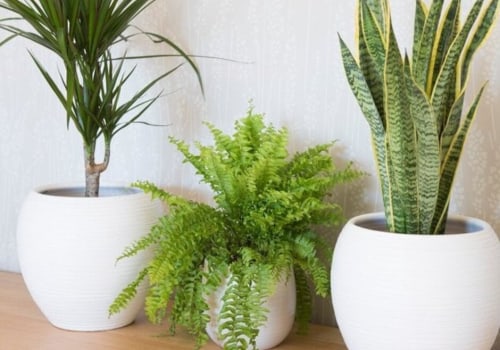
- Snake Plant (Sansevieria) : Known for its striking upright leaves, the snake plant is incredibly resilient. It thrives in low light and requires minimal watering, making it perfect for beginners. Just allow the soil to dry out between waterings.
- Pothos (Epipremnum aureum) : This popular trailing plant is ideal for hanging baskets or shelves. Pothos can adapt to various lighting conditions, including low light.
It prefers to dry out slightly between waterings, so be cautious not to overwater.
- ZZ Plant (Zamioculcas zamiifolia) : The ZZ plant is a favorite among indoor gardeners due to its glossy leaves and ability to thrive in neglect. It can survive in low light and only needs watering every few weeks, making it a great choice for busy individuals.
- Peace Lily (Spathiphyllum) : With its beautiful white blooms, the peace lily is not only aesthetically pleasing but also purifies the air. It flourishes in low light but does require regular watering to keep its soil moist.
- Cast Iron Plant (Aspidistra elatior) : True to its name, the cast iron plant is nearly indestructible. It tolerates low light and irregular watering, making it an excellent option for those new to indoor plant care.
By choosing any of these popular low light plants, you can enjoy the benefits of indoor gardening without the stress of high maintenance.
Care Tips for Low Light Indoor Plants
Caring for low light indoor plants can be a rewarding experience, especially when you understand their specific needs. Here are some essential care tips to help your plants thrive in less-than-ideal lighting conditions.Watering Low Light Plants
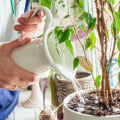
One of the most critical aspects of indoor plant care is watering. Low light plants typically require less frequent watering than their sun-loving counterparts. Here are some guidelines:- Check the soil moisture: Before watering, stick your finger about an inch into the soil.
If it feels dry, it’s time to water.
- Water thoroughly: When you do water, ensure that you soak the soil until water drains from the bottom of the pot. This encourages deep root growth.
- Avoid overwatering: Low light plants are prone to root rot if they sit in soggy soil. Always use pots with drainage holes.
Soil Types
The right soil can make a significant difference in the health of your low light plants. Consider using:- Well-draining potting mix: A mix designed for indoor plants often contains perlite or vermiculite, which helps with drainage.
- Organic matter: Incorporating compost can provide essential nutrients while improving soil structure.
Fertilization
While low light plants don’t need as much fertilizer as those in bright light, they still benefit from occasional feeding:- Use a balanced fertilizer: A diluted liquid fertilizer every 4-6 weeks during the growing season (spring and summer) can promote healthy growth.
- Avoid fertilizing in winter: Most low light plants enter a dormant phase during the colder months, so refrain from fertilizing until spring.
Common Mistakes in Indoor Plant Care
Caring for indoor plants can be a rewarding experience, but many enthusiasts fall into common traps that can hinder their plants' growth and health.Understanding these indoor plant care mistakes is crucial for creating a thriving indoor garden.
- Overwatering: One of the most frequent errors is overwatering. Many people assume that more water equals healthier plants. In reality, excessive moisture can lead to root rot. Always check the soil moisture before watering; if the top inch is dry, it’s time to water.
- Ignoring Light Requirements: Each plant has specific light needs.
Placing a low-light plant in direct sunlight can scorch its leaves, while high-light plants may become leggy in dim conditions. Research your plants’ light preferences and position them accordingly.
- Neglecting Humidity Levels: Indoor environments can often be too dry for certain plants, especially tropical varieties. If you notice browning leaf tips, consider increasing humidity through misting or using a pebble tray with water.
- Using the Wrong Soil: Not all potting soils are created equal. Using garden soil or not providing adequate drainage can suffocate roots.
Opt for a well-draining potting mix tailored to your specific plant type.
- Fertilizing Incorrectly: Over-fertilizing can lead to salt buildup in the soil, harming your plants. Follow a regular fertilization schedule during the growing season and reduce or eliminate feeding during dormancy.
Frequently Asked Questions About Low Light Indoor Plants
When it comes to low light indoor plants, many people have questions about their care and maintenance.Here are some of the most frequently asked questions:
What are the best low light indoor plants?
Some of the best options include:- Snake Plant (Sansevieria): Known for its resilience and air-purifying qualities.
- Pothos (Epipremnum aureum): A trailing vine that thrives in various lighting conditions.
- ZZ Plant (Zamioculcas zamiifolia): Extremely low-maintenance and drought-tolerant.
- Peace Lily (Spathiphyllum): Offers beautiful white blooms even in low light.
How often should I water my low light plants?
The watering frequency depends on the specific plant, but a general rule is to allow the top inch of soil to dry out before watering again. Overwatering is a common mistake, so it's better to err on the side of caution.Do low light plants need fertilizer?
While low light indoor plants do not require as much fertilizer as those in brighter conditions, a balanced, diluted fertilizer can be applied during the growing season (spring and summer) every 4-6 weeks to promote healthy growth.Can I place low light plants in a bathroom?
Yes! Many low light plants, such as Pothos and Peace Lilies, thrive in humid environments, making bathrooms an ideal location. Just ensure they still receive some indirect light.How do I know if my plant is getting enough light?
If your plant's leaves start to yellow or drop, it may not be receiving enough light. Conversely, if the leaves are scorched or brown at the edges, it might be getting too much direct sunlight.Observing your plant's growth and leaf health can help you adjust its placement accordingly. By addressing these common questions, you can enhance your understanding of indoor plant care, ensuring your low light plants thrive in your home.
Conclusion: Embracing Low Light Indoor Plants in Your Home
In conclusion, incorporating low light indoor plants into your home not only enhances the aesthetic appeal of your space but also contributes to a healthier living environment. These resilient plants are perfect for those who may not have the time or expertise for extensive indoor plant care. By choosing varieties such as the Snake Plant , Pothos , or ZZ Plant , you can enjoy the beauty of greenery without the stress of demanding maintenance.As we discussed, low light plants are particularly suited for areas in your home that receive minimal sunlight, making them ideal for apartments, offices, or rooms with limited natural light. Their ability to thrive in such conditions means you can easily integrate them into your decor without worrying about their survival.Moreover, these plants offer numerous benefits beyond mere decoration.They can improve air quality, boost your mood, and even enhance productivity. By adding a few low light indoor plants to your space, you create a calming atmosphere that promotes well-being.We encourage you to explore the various options available and consider which plants resonate with your personal style and living conditions. Remember to pay attention to their specific care requirements, such as watering frequency and humidity levels, to ensure they flourish in your home.Ultimately, embracing low light indoor plants is a rewarding endeavor that can transform your living space into a vibrant oasis. So go ahead, select your favorites, and enjoy the many advantages they bring!.