When it comes to indoor plant care, one of the most critical factors influencing the health and vitality of your plants is light. Unlike their outdoor counterparts, indoor plants rely heavily on the artificial or natural light available in their environment. Understanding the importance of light is essential for any plant enthusiast, as it directly affects photosynthesis, growth patterns, and overall plant health. Light serves as the primary energy source for plants, enabling them to convert carbon dioxide and water into glucose and oxygen through photosynthesis. Without adequate light, even the hardiest of indoor plants can struggle to thrive.
Insufficient light can lead to stunted growth, yellowing leaves, and a general decline in vigor. Conversely, too much light can cause leaf burn and dehydration, making it crucial to find the right balance. As you embark on your journey of indoor plant care, recognizing how different types of light—such as direct sunlight, indirect sunlight, and artificial lighting—affect your plants will empower you to create an optimal growing environment. By paying close attention to your plants' responses to their lighting conditions, you can ensure they receive the right amount of light needed for robust health and flourishing growth.
Signs Your Indoor Plant is Getting Too Much Light
Understanding the signs of too much light is crucial for effective indoor plant care. When your plants receive excessive sunlight, they can exhibit several symptoms that indicate distress.Here are some key signs to watch for:
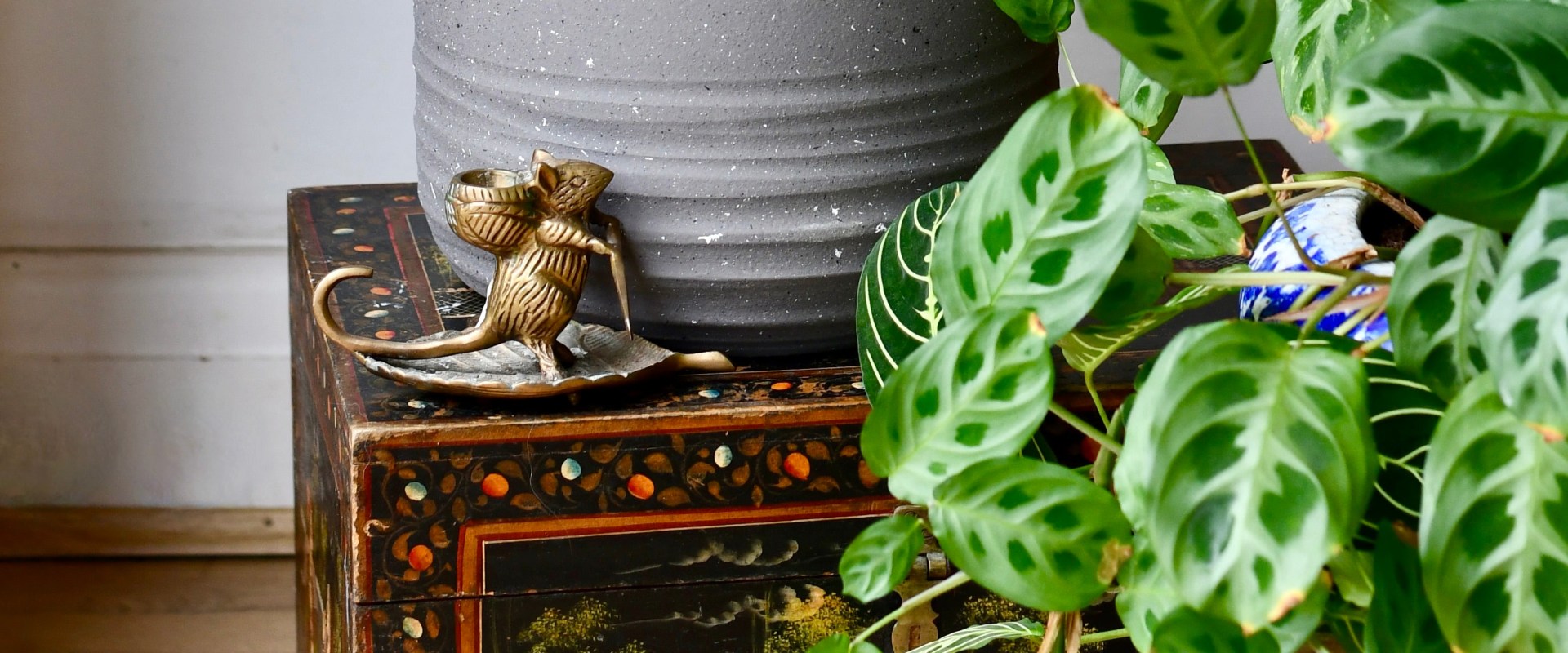
- Leaf Burn: One of the most noticeable signs of overexposure is leaf burn. This manifests as brown, crispy edges or patches on the leaves, often accompanied by a faded or bleached appearance.
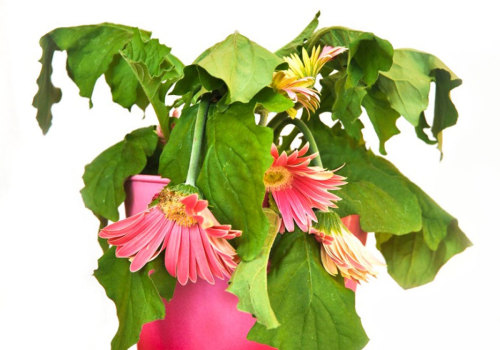
- Wilting Leaves: While wilting can also indicate underwatering, in the case of too much light, the leaves may appear limp and droopy despite adequate watering.
- Stunted Growth: If your plant seems to be growing slower than usual or has stopped growing altogether, it might be a sign that it’s receiving more light than it can handle.
- Leaf Drop: Excessive light can cause stress that leads to leaf drop. If you notice leaves falling off your plant unexpectedly, it could be a reaction to too much sunlight.
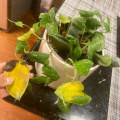
- Pale or Yellowing Leaves: Healthy leaves should be vibrant and green. If they start to turn pale or yellow, this could indicate that your plant is struggling with too much light exposure.
Moving it further from direct sunlight or using sheer curtains can help filter the light. Additionally, rotating your plants regularly can ensure even light distribution and promote balanced growth. By recognizing these signs early, you can take proactive steps to adjust your indoor plant care routine and ensure your plants thrive in their environment.
Signs Your Indoor Plant is Not Getting Enough Light
Understanding the light requirements of your indoor plants is crucial for their health and vitality. When a plant is not receiving enough light, it can exhibit several telltale signs that indicate a need for adjustment in its indoor plant care routine.- Leggy Growth: One of the most common signs of insufficient light is leggy growth. If your plant appears to be stretching towards the light source, with long stems and sparse leaves, it’s a clear indication that it’s not getting enough light.
- Pale or Yellowing Leaves: Leaves that lose their vibrant color and turn pale or yellow can signal that your plant is struggling.
This discoloration often occurs when plants are not photosynthesizing effectively due to low light conditions.
- Slow Growth: If you notice that your plant has stopped growing or is growing at an unusually slow rate, it may be a sign that it’s not receiving adequate light. Healthy plants should show signs of growth during their active growing season.
- Leaf Drop: Some plants may respond to low light by dropping their leaves. If you find leaves falling off your plant, especially older ones, it could be a sign that it’s not getting the light it needs to thrive.
- Brown Edges or Tips: While browning can also indicate overwatering, if the edges or tips of leaves are turning brown in conjunction with other signs, it may suggest that the plant is stressed due to insufficient light.
Understanding Different Light Conditions
Understanding the light conditions in which your indoor plants thrive is crucial for their health and growth.Different plants have varying light requirements, and recognizing these can help you provide the best care possible.
Types of Light
- Direct Light: This type of light occurs when sunlight shines directly on the plant. It is ideal for sun-loving plants like succulents and cacti. If your plant is receiving too much direct light, you may notice scorched leaves or faded colors.
- Indirect Light: Indirect light is filtered sunlight that reaches the plant indirectly, often through a window or a sheer curtain. Many tropical plants, such as pothos and peace lilies, thrive in this condition.
If your plant is not getting enough light, it may become leggy or fail to produce new growth.
- Low Light: Some plants can survive in low-light conditions, making them perfect for spaces with minimal natural light. Examples include snake plants and ZZ plants. However, even low-light plants need some light; otherwise, they may exhibit stunted growth or yellowing leaves.
Natural vs Artificial Light
When considering indoor plant care, it's essential to differentiate between natural and artificial light. Natural light varies throughout the day and can change with the seasons, while artificial light provides a consistent source.If you rely on artificial lighting, ensure you use full-spectrum bulbs that mimic natural sunlight to support photosynthesis effectively.In summary, understanding the different types of light conditions—direct, indirect, and low light—along with the distinction between natural and artificial light, will empower you to make informed decisions about your indoor plant care routine. Monitor your plants closely for signs of stress related to lighting, and adjust their placement accordingly to ensure they thrive.
How to Measure Light Levels for Your Indoor Plants
Understanding the light levels in your home is crucial for effective indoor plant care. Different plants have varying light requirements, and measuring these levels can help you create the ideal environment for your green companions.Using a Light Meter
A light meter is a valuable tool for accurately assessing the amount of light in a specific area. These devices measure light intensity in foot-candles or lux, providing a clear indication of whether your plants are receiving adequate light.To use a light meter:
- Position the meter at the height of your plant's leaves.
- Take readings at different times of the day to account for changes in natural light.
- Compare the readings to the light requirements of your specific plants.
Assessing Natural Light
If you don't have a light meter, you can still assess light levels using simple observational techniques:- Location: Observe where your plants are placed. South-facing windows typically provide the most light, while north-facing windows offer lower light levels.
- Duration: Note how many hours of direct sunlight your plants receive each day. Most houseplants thrive with 6-8 hours of indirect sunlight.
- Shadows: Pay attention to shadows cast by nearby objects. If your plant casts a strong shadow, it’s likely receiving ample light; if not, it may need more.
Signs of Light Stress
Recognizing signs of too much or too little light can also guide your adjustments:- Too Much Light: Look for scorched or bleached leaves, which indicate that your plant is getting more light than it can handle.
- Too Little Light: If your plant is stretching towards the light source or has slow growth and yellowing leaves, it may be time to relocate it to a brighter spot.
Adjusting Light Conditions for Optimal Growth
To ensure your indoor plants thrive, adjusting light conditions is crucial.Here are some practical tips to help you optimize the lighting for your plants:
- Assess Current Light Levels: Start by observing how much natural light your plants receive throughout the day. Note the direction of windows and the intensity of sunlight at different times.
- Move Your Plants: If you notice signs of light stress, such as yellowing leaves or leggy growth, consider relocating your plants closer to a window or to a brighter area. Conversely, if leaves are scorched or browning, move them further away from direct sunlight.
- Use Sheer Curtains: For plants that require bright, indirect light, using sheer curtains can diffuse harsh sunlight while still providing adequate illumination.
- Implement Grow Lights: If natural light is insufficient, especially during winter months, invest in grow lights. These lights can mimic sunlight and provide the necessary spectrum for photosynthesis.
Position them about 12-24 inches above your plants and adjust based on their response.
- Rotate Your Plants: To promote even growth, rotate your plants every few weeks. This ensures all sides receive equal light exposure, preventing uneven growth patterns.
Common Indoor Plants and Their Light Requirements
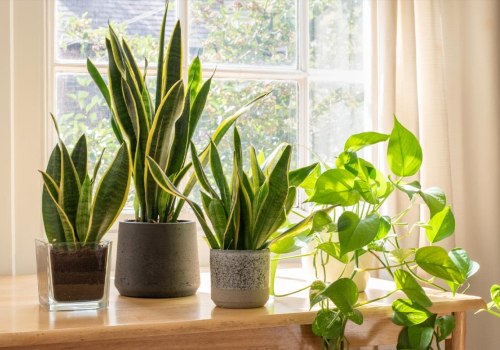
Understanding the light requirements of your indoor plants is crucial for their health and growth. Here’s a list of some common indoor plants along with their specific light needs:- Snake Plant (Sansevieria) : This hardy plant thrives in low to bright indirect light.
It can tolerate low light conditions, making it perfect for beginners.
- Pothos (Epipremnum aureum) : Pothos prefers bright, indirect light but can adapt to low light. However, its growth may slow down in less favorable conditions.
- Spider Plant (Chlorophytum comosum) : Spider plants do well in bright, indirect sunlight but can also survive in lower light levels. They are versatile and easy to care for.
- Peace Lily (Spathiphyllum) : Peace lilies prefer low to medium, indirect light. Direct sunlight can scorch their leaves, so it's best to keep them in a shaded area.
- Fiddle Leaf Fig (Ficus lyrata) : This popular houseplant requires bright, filtered light.
Insufficient light can lead to leaf drop and stunted growth.
- ZZ Plant (Zamioculcas zamiifolia) : ZZ plants are incredibly resilient and can thrive in low to bright indirect light. They are perfect for those who may forget to water regularly.
FAQs About Indoor Plant Lighting
Understanding the lighting needs of your indoor plants can be challenging, leading to several common questions.Here are some frequently asked questions about indoor plant lighting that can help clarify your doubts.
- How can I tell if my plant is getting too much light?
If your plant's leaves are turning yellow or brown, or if they appear scorched or bleached, it may be receiving too much light. Additionally, if the leaves start to curl or drop off, this could also indicate excessive light exposure. - What are the signs of insufficient light?
Plants that are not getting enough light often exhibit slow growth, leggy stems, and smaller leaves. You might also notice that the plant is leaning towards a light source, which is a sign it's trying to reach for more light. - Can I use artificial lights for my indoor plants?
Yes! Many indoor gardeners successfully use grow lights to supplement natural light. Look for full-spectrum LED or fluorescent lights that mimic sunlight to provide your plants with the necessary energy for photosynthesis. - Are there specific plants that require more light?
Absolutely! Plants like succulents, cacti, and many tropical varieties thrive in bright, direct sunlight.Conversely, shade-loving plants such as ferns and snake plants prefer lower light conditions.
- What are some common myths about indoor plant lighting?
One common myth is that all plants need direct sunlight to survive. In reality, many plants do well in indirect light. Another misconception is that more light is always better; however, too much light can be just as harmful as too little.
Conclusion: Finding the Right Balance for Your Indoor Plants
In conclusion, achieving the right balance of light for your indoor plants is crucial for their overall health and vitality. Understanding the specific light requirements of each plant species is the first step in ensuring they thrive in your home.Remember that too much light can lead to issues such as leaf burn and stunted growth, while too little light can cause leggy growth and yellowing leaves.To effectively monitor your plants' lighting needs, consider the following:
- Observe your plants regularly: Pay attention to changes in leaf color, growth patterns, and overall vigor.
- Utilize light meters: These tools can help you measure the intensity of light in different areas of your home.
- Adjust placement: Experiment with moving your plants to different locations to find the optimal light conditions.