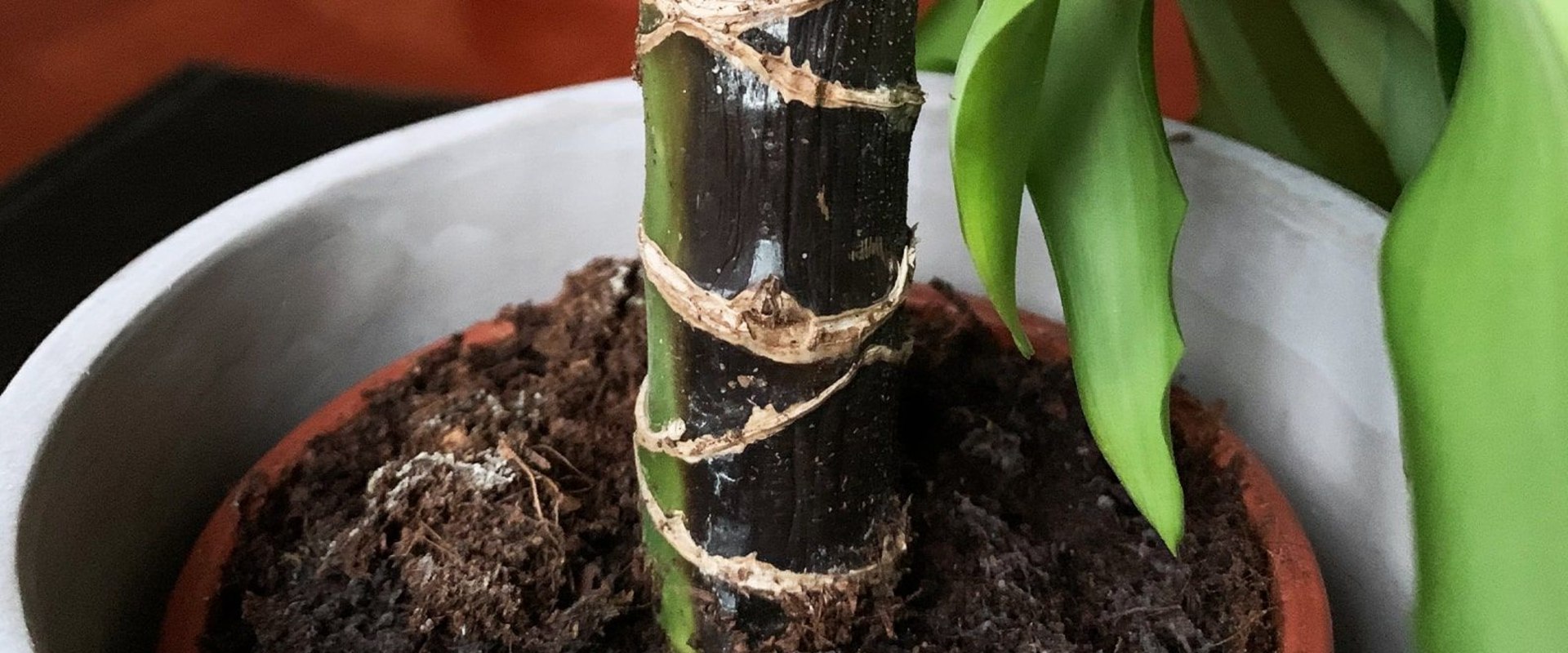
Indoor plants can bring life and vibrancy to any space, but they require careful attention to thrive. One of the most common issues that can plague these green companions is root rot, a condition that can quickly turn a flourishing plant into a wilting one. Understanding root rot is crucial for anyone invested in indoor plant care, as it not only affects the health of your plants but can also lead to irreversible damage if not addressed promptly. Root rot is primarily caused by overwatering, poor drainage, or a combination of both. When the roots of a plant sit in waterlogged soil, they become deprived of oxygen, leading to decay.
This decay can spread rapidly, affecting the entire plant and resulting in symptoms that are often mistaken for other issues. Recognizing the signs of root rot early on is essential for effective intervention and recovery. In this section, we will explore the various signs that indicate your indoor plant may be suffering from root rot. By familiarizing yourself with these symptoms, you can take proactive steps to ensure your plants remain healthy and vibrant. Whether you're a seasoned plant parent or just starting your indoor gardening journey, understanding root rot will empower you to provide better care for your beloved greenery.
Common Signs of Root Rot
Recognizing the signs of root rot in your indoor plants is crucial for effective indoor plant care.Root rot can quickly lead to the decline of your plant's health if not addressed promptly. Here are some common symptoms to watch for:
- Wilting Leaves: One of the first signs of root rot is wilting leaves. Even if the soil is moist, the roots may be unable to absorb water properly, leading to droopy foliage.
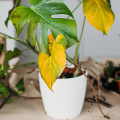
- Yellowing Leaves: If you notice that the leaves are turning yellow, this could indicate that your plant is stressed.
Yellowing leaves
often signal that the roots are not functioning effectively, which is a hallmark of root rot. - Stunted Growth: A healthy indoor plant should show signs of growth over time.
If your plant appears to be stagnant or growing at a much slower rate than usual, it may be suffering from root issues.
- Foul Odor: Root rot can produce a distinct, unpleasant smell due to decaying roots. If you detect a foul odor coming from the soil, it’s a strong indicator that root rot may be present.
- Mushy or Blackened Roots: If you decide to inspect the roots by gently removing the plant from its pot, look for mushy or blackened roots. Healthy roots should be firm and white; any sign of mushiness or dark coloration suggests decay.
Remember, early detection is key in maintaining healthy indoor plants.
Visual Indicators of Root Rot
Identifying root rot in your indoor plants is crucial for their health and longevity. One of the first steps in diagnosing this issue is to look for visual signs that indicate your plant may be suffering from this condition.- Discoloration of Leaves: One of the most noticeable signs of root rot is the yellowing of leaves. If you observe that the leaves are turning yellow and dropping off, it could be a sign that the roots are not functioning properly.
- Wilting: Even if the soil is moist, a plant with root rot may appear wilted. This occurs because the damaged roots cannot absorb water effectively.
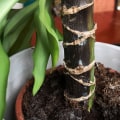
- Mushy Stems: Check the stems of your plant.
If they feel soft or mushy, this could indicate that the rot has progressed beyond the roots and is affecting the stem.
- Brown Roots: When inspecting the roots, look for any that are brown or black instead of healthy white or light tan. Healthy roots should feel firm and not mushy.
- Foul Odor: A strong, unpleasant smell emanating from the soil can also be a telltale sign of root rot. This odor is often due to decaying organic matter and unhealthy roots.
Trim away any brown or mushy roots, and repot the plant in fresh, well-draining soil to help it recover.By being vigilant and recognizing these visual indicators, you can take proactive steps to ensure your indoor plants remain healthy and vibrant.
Environmental Factors Contributing to Root Rot
Understanding the environmental factors that contribute to root rot is crucial for effective indoor plant care. Root rot primarily occurs due to excessive moisture in the soil, which can be exacerbated by poor drainage and improper watering techniques.Overwatering
is one of the leading causes of root rot. When plants receive more water than they can absorb, the excess moisture saturates the soil, leading to a lack of oxygen around the roots. This condition creates an ideal environment for harmful fungi and bacteria to thrive, ultimately causing the roots to decay.
To prevent overwatering, it’s essential to:
- Check the moisture level of the soil before watering.
- Use pots with drainage holes to allow excess water to escape.
- Adjust your watering schedule based on the plant's specific needs and environmental conditions.
Poor drainage
is another significant factor that can lead to root rot. Even if you are careful with your watering habits, using soil that retains too much moisture or pots without adequate drainage can still result in waterlogged conditions. To improve drainage:
- Select a well-draining potting mix that suits your plant type.
- Add perlite or sand to your soil mix to enhance aeration and drainage.
- Ensure that your pots have sufficient drainage holes and consider elevating them slightly to promote airflow.
How to Diagnose Root Rot in Your Indoor Plants
Diagnosing root rot in your indoor plants is crucial for maintaining their health and ensuring they thrive.Here’s a step-by-step guide to help you identify the signs of root rot effectively.
- Visual Inspection: Start by examining the leaves and stems of your plant. Look for yellowing leaves, which can indicate stress. If the leaves are wilting despite adequate watering, this could also be a sign of root issues.
- Check for Soft or Mushy Roots: Gently remove the plant from its pot to inspect the roots. Healthy roots should be firm and white or light tan.
If you notice dark brown or black roots that feel soft and mushy, this is a strong indicator of root rot.
- Smell Test: A foul odor emanating from the soil can signal root rot. Healthy soil should have a fresh, earthy smell, while rotting roots produce a distinct, unpleasant scent.
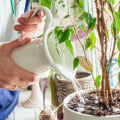
- Soil Moisture Level: Overwatering is a common cause of root rot. Check the moisture level of the soil by sticking your finger about an inch deep. If it feels soggy or overly wet, it may be time to reassess your watering schedule.
Remove any affected roots and repot the plant in fresh, well-draining soil to promote recovery. Regular plant health checks can help you catch these issues early, ensuring your indoor plants remain vibrant and healthy.
Preventing Root Rot in Indoor Plants
Preventing root rot in your indoor plants is essential for maintaining their health and vitality. Here are some effective strategies to ensure your plants thrive:- Choose the Right Soil: Use a well-draining potting mix that allows excess water to escape. Look for soil blends specifically designed for indoor plants, which often contain components like perlite or vermiculite to enhance drainage.
- Watering Schedule: Establish a consistent watering schedule based on the specific needs of your plants.
Overwatering is a common cause of root rot, so it's crucial to allow the top inch of soil to dry out before watering again. A good rule of thumb is to check moisture levels weekly.
- Pot Selection: Ensure that your pots have adequate drainage holes. This allows excess water to escape and prevents the roots from sitting in waterlogged soil. Consider using pots made from breathable materials like terracotta, which can help regulate moisture levels.
- Avoid Water Accumulation: After watering, make sure to empty any excess water that collects in the saucer beneath the pot.
Standing water can lead to root rot and other issues.
- Monitor Humidity Levels: While indoor plants generally prefer humidity, excessive moisture can contribute to root rot. Use a hygrometer to monitor humidity levels and adjust as necessary, especially during winter months when indoor air tends to be drier.
Treating Root Rot: Steps to Revive Your Plant
When you discover that your indoor plant is suffering from root rot, prompt action is essential to revive it. Here are the steps you can take to treat root rot effectively:- Assess the Damage: Carefully remove the plant from its pot and inspect the roots. Healthy roots should be firm and white, while rotting roots will appear brown, mushy, and may have a foul odor.
- Trim Affected Roots: Using sterilized scissors or pruning shears, cut away all the rotten roots.
Be sure to leave only healthy tissue to promote recovery.
- Clean the Pot: If you plan to reuse the same pot, clean it thoroughly with a solution of water and bleach (1 part bleach to 9 parts water) to eliminate any lingering pathogens.
- Repotting: Choose a fresh potting mix that offers good drainage. Consider using a mix specifically designed for indoor plants or one that includes perlite or sand to enhance aeration. Place the plant in the new soil, ensuring that it is positioned at the same depth as before.
- Water Sparingly: After repotting, water your plant lightly. Allow the top inch of soil to dry out before watering again.
This helps prevent further moisture accumulation that can lead to root rot.
- Use Fungicides (if necessary): If root rot is severe, consider applying a fungicide specifically formulated for plants. Follow the instructions on the label for application rates and frequency.
Frequently Asked Questions about Root Rot and Indoor Plant Care
When it comes to indoor plant care, understanding root rot is crucial for maintaining healthy plants.Here are some frequently asked questions that can help you identify and manage this issue:
What causes root rot in indoor plants?
Root rot is primarily caused by overwatering, which leads to waterlogged soil and a lack of oxygen for the roots. Fungal pathogens thrive in these conditions, attacking the roots and causing decay. To prevent this, ensure your pots have proper drainage and only water when the top inch of soil feels dry.How can I tell if my plant has root rot?
- Wilting leaves: Even if the soil is moist, wilting can indicate root issues.
- Yellowing leaves: This is often a sign of stress due to poor root health.
- Foul odor: A rotten smell from the soil can indicate decaying roots.
- Soggy soil: Consistently wet soil is a red flag for root rot.
Can I save a plant with root rot?
Yes, you can often save a plant affected by root rot if you act quickly. Start by removing the plant from its pot and gently washing away the soil.Inspect the roots and trim away any that are black or mushy. Repot the plant in fresh, dry soil and ensure it has adequate drainage. Adjust your watering schedule to prevent future occurrences.
What are some preventive measures for root rot?
- Choose the right pot: Use pots with drainage holes to allow excess water to escape.
- Avoid overwatering: Always check soil moisture before watering.
- Use well-draining soil: A mix designed for your specific plant type can help prevent water retention.
Conclusion: Key Takeaways on Root Rot Awareness and Prevention
In conclusion, recognizing the signs of root rot is crucial for maintaining the health of your indoor plants. By being vigilant and proactive in your indoor plant care, you can prevent this common issue from taking hold and ensure your plants thrive. Here are the key takeaways to keep in mind:- Wilting Leaves: If your plant's leaves are wilting despite adequate watering, it may be a sign of root rot.
- Yellowing Foliage: A sudden change in leaf color, particularly yellowing, can indicate that the roots are not functioning properly.
- Foul Odor: A musty or rotten smell coming from the soil is a strong indicator of decaying roots.
- Soft or Mushy Roots: If you inspect the roots and find them soft or mushy instead of firm, this is a clear sign of root rot.
- Soil Moisture Levels: Consistently soggy soil can lead to root rot; ensure proper drainage and avoid overwatering.
Regularly check your plants for any signs of distress and adjust your watering schedule accordingly. By staying informed and attentive, you can protect your indoor plants from root rot and enjoy their beauty for years to come.