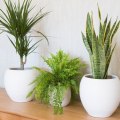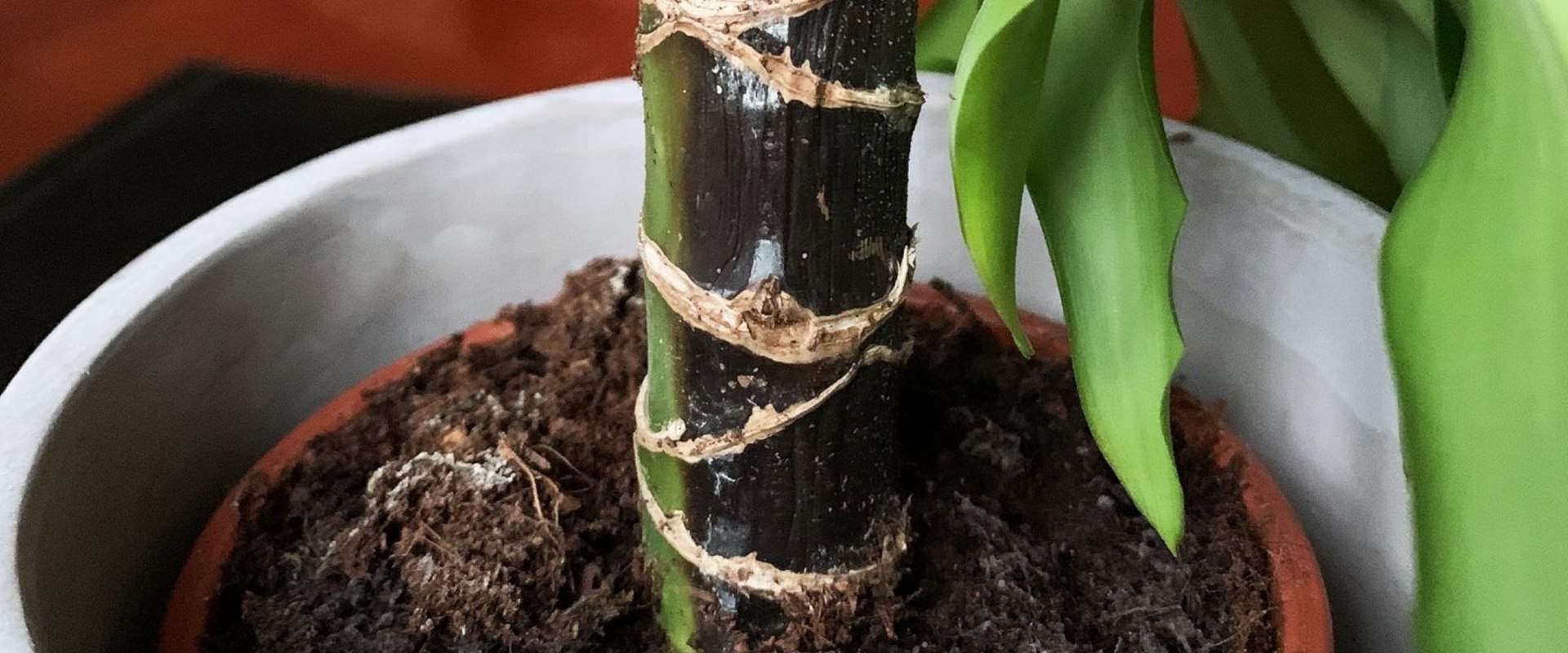
Root rot is a common yet serious issue that can plague indoor plants, often leading to their untimely demise if not addressed promptly. This condition occurs when the roots of a plant become waterlogged and begin to decay, primarily due to overwatering or poor drainage. Understanding the causes of root rot is essential for any indoor plant enthusiast, as it allows for proactive measures to be taken before the problem escalates. Several factors contribute to the development of root rot. One of the most significant is excessive moisture in the soil, which can be caused by overwatering or using pots without adequate drainage holes.
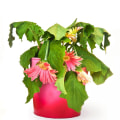
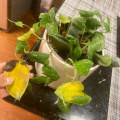
Additionally, certain types of soil that retain too much water can create an environment conducive to fungal growth, further exacerbating the issue. Indoor plants are particularly vulnerable to root rot because they are often kept in controlled environments where humidity and temperature levels can fluctuate dramatically. Identifying the symptoms of root rot early on is crucial for effective intervention. Common signs include yellowing leaves, wilting despite adequate watering, and a foul smell emanating from the soil. If you notice that your plant's roots appear dark and mushy instead of firm and white, it’s a clear indication that root rot has set in.
By familiarizing yourself with these symptoms and understanding the underlying causes, you can take decisive action to protect your indoor plants from this detrimental condition.
Choosing the Right Soil for Indoor Plants
Choosing the right soil is crucial for indoor plant care, as it directly impacts the health of your plants and helps prevent issues like root rot. The best soil for indoor plants should provide adequate drainage and aeration, allowing roots to breathe while retaining enough moisture for nutrient absorption.When selecting a potting mix for indoor plants, consider the following factors:- Drainage: Look for a soil mix that contains materials such as perlite, vermiculite, or coarse sand. These components enhance drainage and prevent water from pooling at the bottom of the pot, which can lead to root rot.
- Aeration: A well-aerated soil mix allows air to circulate around the roots. This is essential for healthy root development.
Avoid dense soils that can compact over time.
- Moisture Retention: While good drainage is important, your soil should also retain some moisture. A balanced potting mix will have a combination of organic matter, such as peat moss or coconut coir, which helps retain moisture without becoming soggy.
- Cacti and Succulents: Use a cactus mix or create your own by combining regular potting soil with sand and perlite in equal parts.
- Tropical Plants: A mix that includes peat moss and bark will provide the necessary moisture retention while ensuring good drainage.
Pot Selection: Importance of Drainage Holes
When it comes to indoor plant care, the choice of pot is crucial for maintaining healthy roots and preventing issues like root rot. One of the most important features to consider is the presence of drainage holes.These small openings at the bottom of the pot allow excess water to escape, preventing the soil from becoming overly saturated.
Why Drainage Holes Matter
- Prevents Water Accumulation: Without drainage holes, water can pool at the bottom of the pot, leading to soggy soil and creating an environment conducive to root rot.
- Promotes Air Circulation: Proper drainage allows air to circulate within the soil, which is essential for healthy root development.
- Reduces Risk of Fungal Growth: Excess moisture can lead to fungal infections that harm your plants. Drainage holes help mitigate this risk.
Choosing the Right Pot Material
The material of your pot also plays a significant role in moisture retention. Here are some common materials and their effects:
- Terracotta: This porous material allows for good air exchange and moisture evaporation, making it a great choice for plants that prefer drier conditions.
- Plastic: While lightweight and often less expensive, plastic pots can retain moisture longer. Ensure they have adequate drainage holes if you choose this option.
- Ceramic: Glazed ceramic pots can retain moisture but may also provide aesthetic appeal.
Look for those with drainage holes to balance beauty and functionality.
Watering Techniques to Prevent Overwatering
Proper watering techniques are crucial for maintaining healthy indoor plants and preventing root rot. Understanding how to water your indoor plants effectively can make a significant difference in their overall health.How to Water Indoor Plants
- Always check the moisture level of the soil before watering. Insert your finger about an inch into the soil; if it feels dry, it’s time to water.
- Water thoroughly until you see excess water draining from the bottom of the pot.
This ensures that the entire root system receives moisture.
- Avoid letting your plants sit in standing water, as this can lead to overwatering and root rot.
Watering Schedule
Establishing a consistent watering schedule is essential for indoor plant care. Here are some tips:
- Most indoor plants thrive on a weekly watering schedule, but this can vary based on the type of plant, pot size, and environmental conditions.
- During warmer months, you may need to water more frequently due to increased evaporation and plant growth.
- In winter, many plants enter a dormant phase and require less water. Adjust your schedule accordingly.
Signs of Overwatering
Recognizing the signs of overwatering is vital for preventing root rot:
- Yellowing leaves: If the leaves start turning yellow and dropping off, it may indicate that your plant is receiving too much water.
- Mushy stems: Stems that feel soft or mushy are a clear sign of root issues caused by overwatering.
- Mold or mildew: The presence of mold on the soil surface can also indicate excessive moisture levels.
Humidity and Temperature: Creating the Right Environment
Maintaining the right humidity and temperature is crucial for the health of your indoor plants, as these environmental factors significantly influence root health and overall plant vitality. Understanding how to create an optimal environment can help prevent issues like root rot.Indoor Plant Humidity
Most indoor plants thrive in a humidity range of 40% to 60%.Low humidity can lead to dry soil and stress on the roots, while excessive moisture can create a breeding ground for root rot. Here are some tips to manage humidity levels:
- Use a Humidifier: This is one of the most effective ways to maintain consistent humidity levels, especially during dry winter months.
- Group Plants Together: Placing plants close to each other can create a microclimate with higher humidity.
- Water Wisely: Watering your plants in the morning allows moisture to evaporate throughout the day, reducing excess humidity.
- Monitor with a Hygrometer: Invest in a hygrometer to keep track of humidity levels in your home.
Ideal Temperature for Indoor Plants
The ideal temperature for most indoor plants ranges from 65°F to 75°F during the day and slightly cooler at night. Extreme temperatures can stress plants and lead to root problems. Here are some strategies to maintain optimal temperatures:- Avoid Drafts: Keep plants away from windows and doors where cold drafts can affect their temperature.
- Use Thermostats: Set your home’s thermostat to maintain a stable temperature, avoiding sudden fluctuations.
- Consider Plant Placement: Place heat-loving plants near heat sources, but ensure they are not too close to avoid scorching.
Regularly assess your indoor climate and make adjustments as needed to ensure your plants thrive.
Signs of Root Rot: How to Diagnose Your Plants
Diagnosing root rot in your indoor plants is crucial for maintaining their health and vitality. Here are some key signs of root rot to look out for:- Wilting Leaves: If your plant's leaves are wilting despite adequate watering, it may indicate that the roots are not functioning properly due to rot.
- Yellowing Leaves: A common symptom of unhealthy roots is yellowing leaves, which can occur when the plant is unable to absorb nutrients effectively.
- Soft or Mushy Roots: Gently remove the plant from its pot and inspect the roots. Healthy roots should be firm and white, while rotting roots will appear brown or black and feel soft to the touch.
- Foul Odor: A strong, unpleasant smell emanating from the soil can be a clear indicator of root rot, as decaying roots release toxins.
- Stunted Growth: If your plant has stopped growing or is growing at a significantly slower rate than usual, it may be suffering from root issues.
Diagnosing root rot
early can save your plant from further damage.Consider repotting it in fresh, well-draining soil and trimming away any affected roots. Additionally, ensure that you are not overwatering your plants, as this is a primary cause of root rot. By being vigilant and recognizing these symptoms of unhealthy roots, you can take proactive steps to ensure your indoor plants thrive.
Preventive Measures: Best Practices for Indoor Plant Care
To ensure the health of your indoor plants and effectively prevent root rot, it is essential to adopt a series of best practices in your indoor plant care routine. Here are some key strategies to consider:- Choose the Right Pot: Always use pots with adequate drainage holes. This allows excess water to escape, preventing water from pooling at the bottom and creating a soggy environment that fosters root rot.
- Use Quality Potting Mix: Select a well-draining potting mix that suits your plant's needs.
A mix that retains some moisture while allowing excess water to drain is ideal for most indoor plants.
- Avoid Overwatering: One of the most common causes of root rot is overwatering. Always check the top inch of soil; if it feels dry, it’s time to water. Use the finger test or a moisture meter to gauge soil moisture accurately.
- Watering Technique: When watering, do so thoroughly until you see water draining from the bottom of the pot. This ensures that all roots receive moisture while preventing stagnant water.
- Monitor Humidity Levels: Indoor plants thrive in specific humidity levels.
If your home is too humid, consider using a dehumidifier or placing a fan nearby to improve air circulation.
- Regularly Inspect Plants: Keep an eye on your plants for any signs of distress, such as yellowing leaves or wilting. Early detection can help you address issues before they lead to root rot.
- Repot When Necessary: If you notice roots growing out of the drainage holes or if the plant seems root-bound, it may be time to repot. Choose a slightly larger pot with fresh potting mix to give your plant room to grow.
What to Do If Your Plant Has Root Rot?
If you suspect that your indoor plant has developed root rot, acting quickly is crucial to save it.Here are the steps you should follow to treat root rot and help your plant recover:
- Remove the Plant from Its Pot: Gently take the plant out of its pot, being careful not to damage the roots further. This will allow you to assess the extent of the rot.
- Inspect the Roots: Examine the root system closely. Healthy roots should be firm and white or light tan in color. If you find any dark, mushy, or foul-smelling roots, these are signs of root rot.
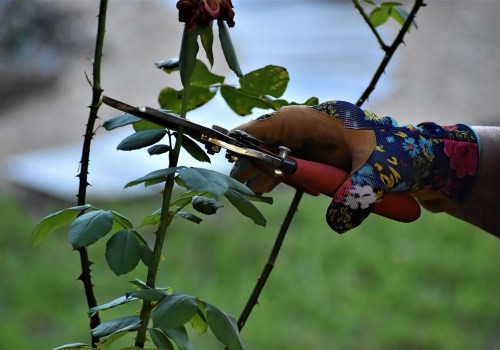
- Trim Affected Roots: Using sterilized scissors or pruning shears, cut away all the rotten roots.
Make sure to remove any parts that appear unhealthy to prevent further spread of the rot.
- Clean the Pot: Before repotting, clean the original pot with a solution of water and bleach (1 part bleach to 9 parts water) to eliminate any lingering pathogens.
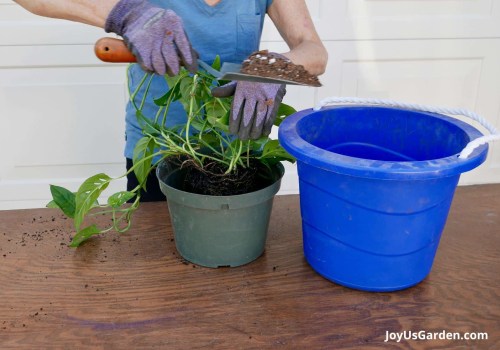
- Repot with Fresh Soil: Choose a well-draining potting mix specifically designed for indoor plants. Repot your plant in fresh soil, ensuring that it has adequate drainage holes.
- Water Sparingly: After repotting, water your plant lightly. Allow the top inch of soil to dry out before watering again. Overwatering can exacerbate root rot issues.
- Provide Proper Care: Place your plant in a location with appropriate light and temperature conditions.
Monitor it closely for signs of recovery, such as new growth or healthy root development.
Conclusion: Key Takeaways for Healthy Indoor Plants
In conclusion, maintaining healthy indoor plants requires a proactive approach to indoor plant care, particularly when it comes to preventing root rot. By understanding the key factors that contribute to this common issue, you can take effective measures to ensure your plants thrive.Essential Practices for Prevention
- Choose the Right Potting Mix: Use a well-draining potting mix that allows excess water to escape while retaining some moisture for the roots.
- Water Wisely: Always check the moisture level of the soil before watering. Allow the top inch of soil to dry out between waterings to prevent over-saturation.
- Ensure Proper Drainage: Make sure your pots have drainage holes.
This is crucial for allowing excess water to escape and preventing water from pooling at the bottom.
- Monitor Humidity Levels: Indoor humidity can affect how quickly soil dries out. Use a hygrometer to keep track of humidity levels and adjust your watering schedule accordingly.
- Inspect Roots Regularly: Periodically check the roots of your plants for signs of rot, such as a foul smell or mushy texture. Early detection can save your plant.
With diligence and attention, you can enjoy vibrant, flourishing plants in your home.