When it comes to indoor plant care, one often overlooked aspect is the importance of air circulation. Just like humans, plants require a balanced environment to thrive, and adequate airflow plays a crucial role in their overall health. Without proper air movement, indoor plants can suffer from a range of issues, including mold growth, pest infestations, and stunted growth. Understanding how to maintain optimal air circulation is essential for any plant enthusiast looking to create a thriving indoor garden. Plants utilize air flow not only for respiration but also for transpiration, the process through which they release moisture into the air.
This natural exchange helps regulate humidity levels and ensures that plants can absorb nutrients effectively. When air circulation is insufficient, the humidity around the plant can become too high, leading to conditions that favor fungal diseases and pests. Conversely, too much airflow can dry out the soil and stress the plant, making it vital to find a balance. In this section, we will explore how to identify signs of inadequate or excessive air circulation in your indoor plants. By recognizing these indicators early on, you can take proactive steps to adjust your environment and ensure your plants remain healthy and vibrant.
Whether you're a seasoned gardener or just starting your indoor plant journey, understanding the significance of air circulation will empower you to make informed decisions that enhance your plant care routine.
Signs Your Indoor Plant is Getting Too Much Air Circulation
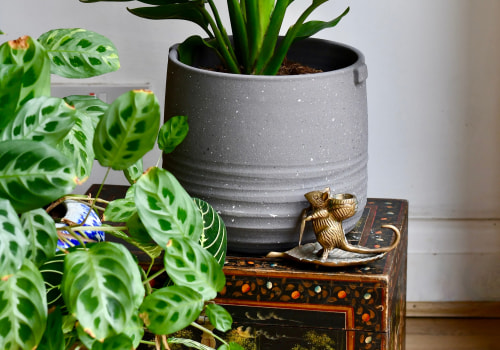
Understanding the signs that your indoor plant is receiving too much air circulation is crucial for maintaining its health. Excessive airflow can lead to various stress symptoms, which can be detrimental to your plant's well-being. One of the most common indicators of stress in plants due to high air circulation is leaf burn. This occurs when the leaves develop brown, crispy edges or patches, often resembling sunburn. If you notice these symptoms, it may be a sign that your plant is struggling to retain moisture due to excessive airflow. Another sign to watch for is wilting.While wilting can also indicate underwatering, if your plant is consistently drooping despite regular watering, it may be suffering from too much air movement. The constant breeze can dry out the soil faster than the plant can absorb moisture. Additionally, you might observe yellowing leaves. This can happen when a plant is stressed and unable to take up nutrients effectively. If the leaves start turning yellow and dropping off, it’s time to reassess the air circulation around your plant. To help mitigate these issues, consider the following plant care tips:
- Adjust Placement: Move your plant away from vents or drafty windows where airflow is strong.
- Group Plants: Placing plants closer together can create a microclimate that reduces excessive air movement.
- Use Humidifiers: Increasing humidity in the room can help counteract the drying effects of strong air circulation.
Signs Your Indoor Plant is Getting Too Little Air Circulation
Recognizing the signs of too little air circulation is crucial for maintaining the health of your indoor plants.When air movement is restricted, it can lead to several detrimental effects that may compromise your plant's vitality. One of the most noticeable indicators of insufficient air circulation is the presence of mold growth. Mold thrives in stagnant environments, often appearing as a fuzzy white or gray substance on the soil surface or leaves. If you observe this, it’s a clear sign that your plant is not receiving adequate airflow. Another common issue associated with poor air circulation is pest infestations. Pests such as spider mites and aphids are more likely to proliferate in environments where air does not circulate freely.
These pests can cause significant damage to your plants by feeding on their sap and weakening their overall health. Additionally, you may notice that your plant's leaves are turning yellow or dropping prematurely. This can be a result of stagnant air, which prevents the plant from effectively transpiring and exchanging gases. Healthy plants require a balance of moisture and air; without it, they can become stressed. To ensure optimal indoor plant care, regularly check for these signs and take action if necessary. Improving air circulation can be as simple as repositioning your plants to allow for better airflow or using fans to create a gentle breeze in the room.
By being proactive, you can help your indoor plants thrive and avoid the negative consequences of inadequate air movement.
How to Assess Air Circulation Around Your Indoor Plants
Assessing air circulation around your indoor plants is crucial for their health and growth. Poor airflow can lead to issues such as mold, pests, and stunted growth, while adequate circulation promotes strong, vibrant plants. Here are some practical methods to evaluate and improve air circulation in your indoor gardening space.1.Observe Plant Behavior
Start by observing your plants closely. Signs of insufficient air circulation include:- Wilting leaves that do not perk up after watering.
- Yellowing leaves, which may indicate stress.
- Mold or mildew on the soil surface or leaves.
- Pest infestations, as stagnant air can attract unwanted insects.
2.Measure Airflow
You can measure airflow using a simple handheld anemometer, which provides readings of wind speed in your indoor environment.Place the device near your plants to check if the airflow is adequate. Ideally, you want a gentle breeze that circulates around the foliage without being too harsh.
3.Utilize Fans Wisely
If you find that your indoor space lacks sufficient airflow, consider using small fans to enhance circulation:- Position fans at an angle to avoid direct blasts on the plants, which can cause stress.
- Use oscillating fans to distribute air evenly across a wider area.
- Set fans on low speed to create a gentle breeze that mimics natural conditions.
4.Optimize Plant Placement
The arrangement of your plants can significantly impact air circulation:- Avoid overcrowding; ensure there is enough space between pots for air to flow freely.
- Group plants with similar care needs together but maintain distance from walls or furniture that may block airflow.
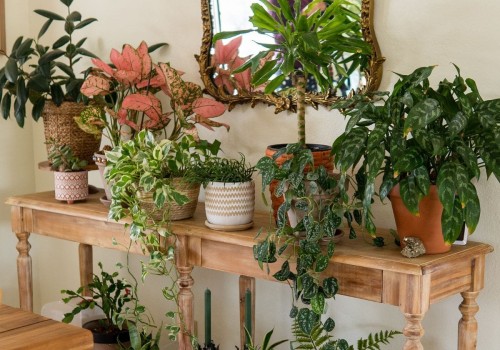
- Consider using plant stands or shelves to elevate plants and improve circulation around them.
Best Practices for Ensuring Proper Air Circulation in Indoor Plant Care
Ensuring proper air circulation is vital for the health of your indoor plants. Without adequate airflow, plants can suffer from issues such as mold growth, pest infestations, and stunted growth. Here are some best practices to improve air circulation in your indoor plant care routine:- Space Your Plants Wisely: Avoid overcrowding your plants.
When they are too close together, they can block each other’s airflow. Aim for at least a few inches of space between each plant to allow air to circulate freely.
- Use Fans: Incorporating small fans into your indoor gardening setup can significantly enhance air movement. Position a fan to gently circulate air around your plants, but avoid placing it directly on them, as this can dry them out.
- Open Windows: Whenever possible, open windows to allow fresh air to enter your space. This natural ventilation helps maintain a healthy environment for your plants.
- Rotate Your Plants: Regularly rotating your plants can ensure that all sides receive equal airflow and light exposure.
This practice promotes even growth and prevents one side from becoming too dense.
- Consider Plant Stands: Elevating your plants on stands or shelves can improve airflow around the base of the plant. This is especially useful for larger plants that may block airflow at the soil level.
Common Myths About Air Circulation and Indoor Plants
When it comes to indoor plant care, many gardeners fall prey to common myths about air circulation. Understanding these misconceptions can significantly enhance your plant's health and vitality.- Myth 1: Plants thrive in completely still air. While it may seem that stagnant air is beneficial, it can actually lead to problems such as mold growth and pest infestations.
Indoor plants require some level of air movement to promote healthy transpiration and prevent diseases.
- Myth 2: More air circulation is always better. Excessive airflow can dry out the leaves and soil too quickly, leading to stress for your plants. It's essential to find a balance; gentle airflow is ideal for most indoor species.
- Myth 3: Air circulation is only important in summer. Many believe that air circulation is a seasonal concern, but it plays a crucial role year-round. In winter, when heating systems can dry out the air, ensuring proper circulation helps maintain humidity levels that are vital for plant health.
- Myth 4: All plants need the same amount of air circulation. Different species have varying needs. For instance, tropical plants often prefer higher humidity and less airflow, while succulents thrive in drier conditions with more ventilation.
Understanding your specific plant's requirements is key to effective indoor gardening.
FAQs About Air Circulation and Indoor Plant Care
Understanding the role of air circulation in indoor plant care is crucial for maintaining healthy plants. Here are some frequently asked questions that can help clarify this important aspect:What are the signs of poor air circulation for indoor plants?
Poor air circulation can lead to several issues, including:- Yellowing leaves: This may indicate that your plant is not receiving enough fresh air.
- Mold or mildew: Excess moisture combined with stagnant air can promote fungal growth.
- Pest infestations: A lack of airflow can create a favorable environment for pests like spider mites and aphids.
How can I improve air circulation for my indoor plants?
Improving air circulation is relatively simple and can be achieved through the following methods:- Spacing: Ensure that your plants are not overcrowded. Give them enough space to breathe.
- Fans: Use small fans to promote airflow, especially in closed spaces.
- Open windows: If possible, open windows to allow fresh air to circulate, but be cautious of drafts.
Can too much air circulation harm my indoor plants?
Yes, while good airflow is essential, excessive air movement can also be detrimental.Signs of too much air circulation include:
- Dried-out soil: Rapid evaporation can lead to insufficient moisture for your plants.
- Browning leaf tips: This may indicate that your plant is experiencing stress from excessive wind or dry conditions.
Conclusion: Maintaining Healthy Indoor Plants Through Proper Air Circulation
In conclusion, ensuring proper air circulation is a vital aspect of indoor plant care that can significantly impact the health and vitality of your plants. As we have discussed, both too much and too little air circulation can lead to various issues, including mold growth, pest infestations, and stunted growth. By recognizing the signs of inadequate or excessive airflow, you can take proactive measures to create a balanced environment for your indoor plants.To maintain optimal air circulation, consider the following key points:- Placement: Position your plants in areas where they can benefit from natural airflow, avoiding corners or enclosed spaces.
- Ventilation: Use fans or open windows to enhance air movement, especially in rooms with limited ventilation.
- Humidity Control: Monitor humidity levels, as high humidity can restrict airflow around your plants.
A dehumidifier may be beneficial in such cases.
- Pruning: Regularly prune your plants to remove dead leaves and branches, which can obstruct airflow and promote disease.