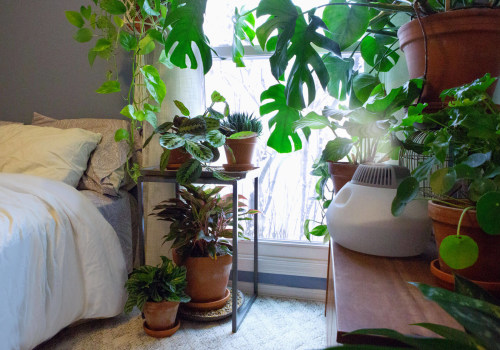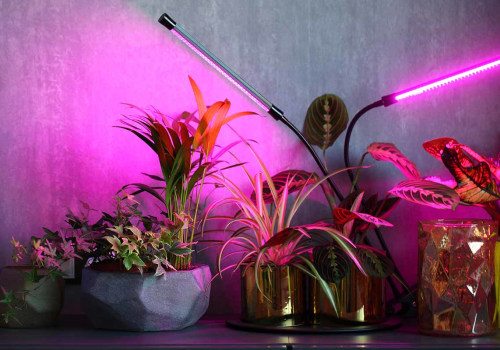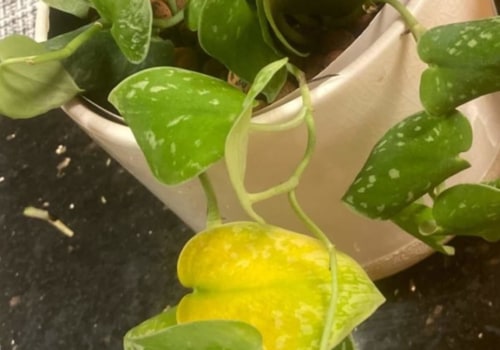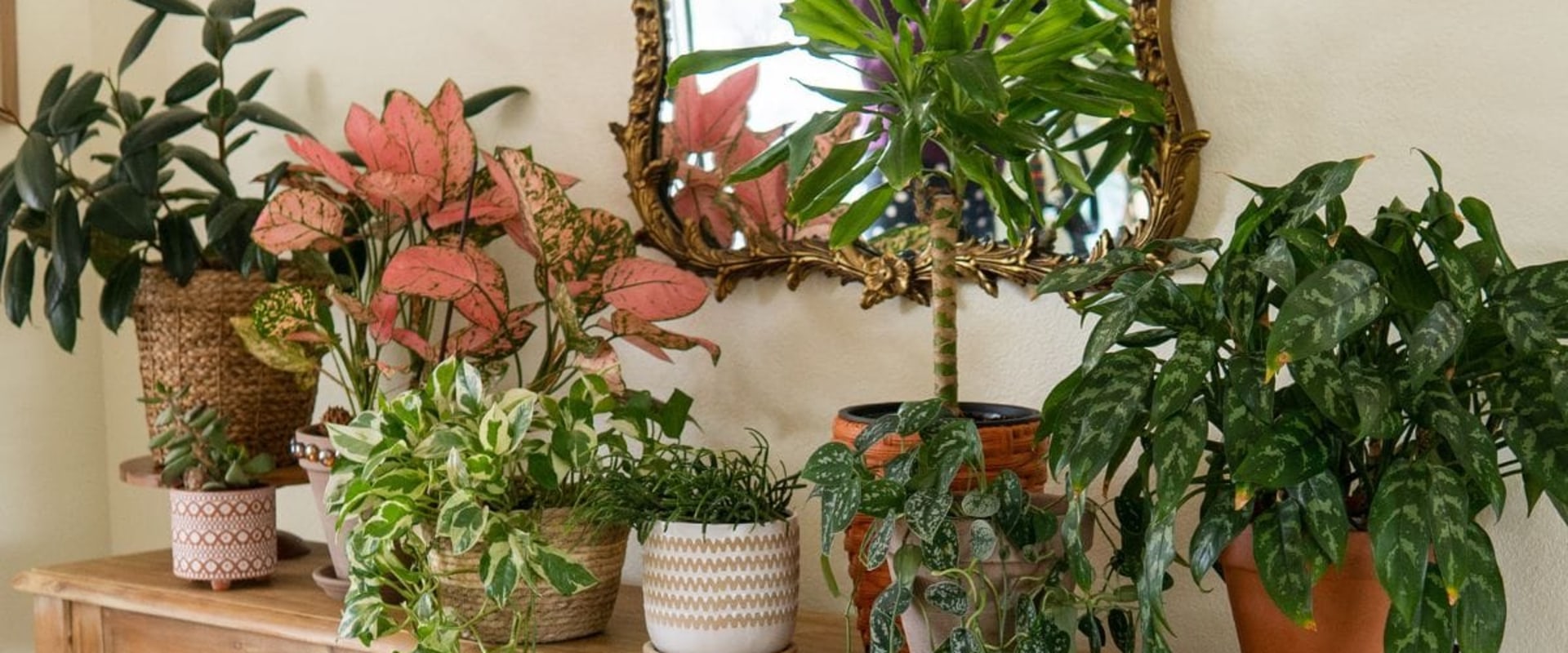
Caring for indoor plants is not just a hobby; it’s an art that can transform your living space into a vibrant oasis. Understanding the basics of indoor plant care is essential for anyone looking to cultivate a thriving indoor garden. Each plant species has unique needs, and knowing how to meet these requirements can significantly enhance their health and longevity. From light conditions to humidity levels, every detail plays a crucial role in ensuring your plants flourish. One of the first steps in effective plant care is recognizing that not all areas of your home are equally suitable for every type of plant.
For instance, some plants thrive in bright, direct sunlight, while others prefer the gentle glow of indirect light. Additionally, factors such as temperature fluctuations and air circulation can impact plant growth. By understanding these nuances, you can strategically place your plants in locations that cater to their specific needs. As we delve deeper into the world of indoor gardening, we will explore various locations within your home that are ideal for different types of indoor plants. This knowledge will empower you to create an environment where your plants can not only survive but truly thrive, enhancing both your home’s aesthetic and your overall well-being.
Factors to Consider for Plant Placement
When it comes to indoor plant care, understanding the factors that influence plant placement is essential for ensuring their health and vitality.Here are the key considerations:
- Light Requirements: Different plants have varying light needs. Some thrive in bright, direct sunlight, while others prefer low-light conditions. For instance, succulents and cacti require a sunny windowsill, whereas ferns and snake plants can flourish in shadier spots. Assess the natural light in your home throughout the day to determine the best locations for your plants.
- Humidity Levels: Many indoor plants, especially tropical varieties, thrive in higher humidity levels.
Bathrooms and kitchens often provide a more humid environment, making them ideal for plants like peace lilies and orchids. If your home is dry, consider using a humidifier or placing a tray of water near your plants to increase moisture in the air.
- Temperature Considerations: Most indoor plants prefer temperatures between 65°F and 75°F (18°C to 24°C). Avoid placing them near drafts, heating vents, or air conditioning units, as sudden temperature changes can stress the plants. Additionally, be mindful of seasonal changes; during winter months, you may need to adjust their locations to ensure they receive adequate warmth.
Best Locations for Low-Light Plants
Finding the right spots for low-light indoor plants can significantly enhance your home’s ambiance while ensuring your plants thrive.Many areas in a house can provide the perfect conditions for these resilient species.
1.Bathrooms
- Bathrooms often have higher humidity levels, which is beneficial for many low-light plants. Consider placing ferns, such as the Boston fern, or peace lilies, which not only tolerate low light but also enjoy the moisture.
- Ensure that the bathroom has a window or some form of indirect light to keep these plants healthy.
2.North-Facing Windows
- North-facing windows receive minimal direct sunlight, making them ideal for low-light indoor plants. Plants like snake plants and ZZ plants thrive in these conditions.
- These plants are not only hardy but also require minimal care, making them perfect for beginners.
3.Shaded Corners of Living Rooms
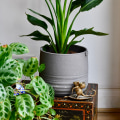
- If you have a corner in your living room that doesn’t receive much light, consider adding a pothos or a cast iron plant. These plants can adapt to lower light levels and will add a touch of greenery to your space.
- Using decorative pots can enhance the aesthetic while providing the necessary care for these plants.
4.Hallways and Stairwells
- Long hallways or stairwells often lack natural light but can be perfect for low-light plants.
Try placing spider plants or Chinese evergreen, which can tolerate these dimmer environments.
- Avoid overcrowding; ensure there’s enough space for air circulation around the plants.
Caring for Low-Light Plants
When caring for low-light indoor plants, it’s essential to monitor their watering needs closely. Overwatering is a common mistake, especially in low-light conditions where evaporation is slower. Always check the soil moisture before watering to ensure your plants remain healthy and vibrant.
Ideal Spots for Bright, Indirect Light Plants
When it comes to indoor plant care, understanding the lighting conditions in your home is crucial for the health and growth of your plants. Bright, indirect light is ideal for many popular houseplants, as it mimics their natural habitat without exposing them to harsh direct sunlight.Here are some of the best locations in your home that provide this type of lighting:
- Near East-Facing Windows: These windows receive gentle morning sunlight, which is perfect for plants like peace lilies and spider plants. Positioning your plants a few feet away from the window will ensure they get bright, indirect light.
- Filtered Light Areas: If you have sheer curtains or blinds, placing your plants near these can create a soft light environment. Plants such as pothos and philodendrons thrive in these conditions.
- Rooms with Skylights: Skylights can provide ample bright, indirect light throughout the day. Consider placing plants like snake plants or ZZ plants in these areas to take advantage of the consistent light.
- Living Rooms with Light Walls: Light-colored walls reflect sunlight, enhancing the brightness of the room.
This is an excellent spot for fiddle leaf figs and rubber plants, which enjoy bright conditions.
Perfect Areas for Direct Sunlight Plants
When it comes to indoor plant care, finding the right locations for direct sunlight indoor plants is crucial for their growth and vitality. Many plants thrive in bright, sunny spots, making it essential to identify areas in your home that receive ample sunlight throughout the day.Ideal Locations for Sun-Loving Plants
- South-Facing Windows: These windows receive the most sunlight, making them perfect for plants like succulents, cacti, and hibiscus.
Positioning your plants here ensures they get at least 6 hours of direct sunlight daily.
- West-Facing Windows: While not as intense as south-facing windows, west-facing windows provide strong afternoon light. This is ideal for plants such as snake plants and rubber trees that enjoy bright but not scorching conditions.
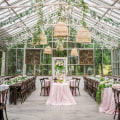
- Sunrooms: If you have a sunroom, it can be a paradise for sun-loving plants. The glass walls allow for maximum light exposure, creating a warm environment perfect for tropical plants like bird of paradise and orchids.
Challenges and Solutions
While direct sunlight is beneficial, it can also pose challenges such as overheating or leaf burn. Here are some tips to mitigate these issues:
- Monitor Temperature: Ensure that the temperature near your sun-loving plants does not exceed 80°F (27°C).
If it does, consider using sheer curtains to diffuse the light.
- Rotate Your Plants: To promote even growth and prevent leaning towards the light source, rotate your plants every few weeks.
- Watering Needs: Plants in direct sunlight may require more frequent watering. Check the soil moisture regularly to avoid dehydration.
Humidity and Temperature: The Role of Environment in Plant Placement
When it comes to indoor plant care, understanding the impact of humidity and temperature on plant health is crucial. Different plants thrive in varying environmental conditions, making it essential to choose the right locations within your home.Humidity Levels for Indoor Plants
- Tropical plants, such as ferns and peace lilies, prefer higher humidity levels (around 60-80%).
These plants do well in bathrooms or kitchens where moisture is naturally higher.
- Cacti and succulents, on the other hand, thrive in drier conditions. A sunny windowsill with low humidity is ideal for these types of plants.
- To increase humidity for plants that require it, consider placing a humidifier nearby or grouping plants together to create a microclimate.
Temperature Effects on Plants
- Most indoor plants prefer temperatures between 65°F and 75°F during the day and slightly cooler at night. Avoid placing them near drafts or heating vents, as sudden temperature changes can stress the plants.
- For tropical plants, maintaining a consistent temperature is vital. Areas like sunrooms or conservatories can provide the warmth they need while still allowing for adequate light.
- Conversely, some hardy plants can tolerate cooler temperatures and may be placed in less heated areas of the home, such as basements or unheated rooms during winter.
Environmental Factors in Plant Care
In addition to humidity and temperature, consider other environmental factors such as light exposure.
Placing your plants in areas where they receive indirect sunlight can help them flourish. Regularly monitor their condition and adjust their location as needed to ensure optimal growth.By understanding the specific needs of your indoor plants regarding humidity and temperature, you can create a nurturing environment that promotes healthy growth and longevity.
Common Mistakes in Indoor Plant Placement and Care
When it comes to indoor plant care, placement is crucial, yet many plant enthusiasts make common mistakes that can hinder their plants' growth. Understanding these pitfalls can help you create a thriving indoor garden.- Ignoring Light Requirements: One of the most frequent errors is placing plants in locations that do not meet their light needs. For instance, succulents and cacti require bright, direct sunlight, while ferns thrive in low-light conditions.
Always research the specific light requirements of your plants before choosing a spot.
- Overwatering or Underwatering: Improper watering is another common mistake. Many people assume that all plants need the same amount of water. In reality, some plants prefer drier soil, while others need consistently moist conditions. Use a moisture meter or check the top inch of soil to determine when to water.
- Neglecting Humidity Levels: Indoor humidity can significantly affect plant health.
Tropical plants like peace lilies and orchids thrive in higher humidity, while succulents prefer drier air. If your home is too dry, consider using a humidifier or placing a tray of water near your plants.
- Choosing the Wrong Pot: The type of pot you use can impact drainage and root health. Ensure that pots have drainage holes to prevent water from accumulating at the bottom, which can lead to root rot.
By being mindful of these common errors, you can create an optimal environment for your indoor plants to flourish.
FAQs About Indoor Plant Care and Placement
When it comes to indoor plant care, many homeowners have questions about the best practices for placement and maintenance. Here are some common queries and their answers:What are the best locations for indoor plants?
Indoor plants thrive in various locations depending on their light and humidity needs. Here are some ideal spots:- Near windows: Most indoor plants prefer bright, indirect sunlight. Placing them near east or west-facing windows can provide the right amount of light.
- In bathrooms: Humidity-loving plants like ferns and peace lilies do well in bathrooms where moisture levels are higher.
- On shelves or tables: Elevating plants can help them receive better light and also adds aesthetic appeal to your decor.
How often should I water my indoor plants?
The frequency of watering depends on the type of plant, the season, and the environment.Here are some guidelines:
- Check the soil: Always check if the top inch of soil is dry before watering. Overwatering is a common mistake.
- Seasonal changes: During the growing season (spring and summer), most plants require more frequent watering compared to fall and winter.
Can I move my indoor plants around?
Yes, moving your indoor plants can be beneficial, but it should be done carefully:- Avoid sudden changes: Gradually acclimate your plants to new locations to prevent shock.
- Monitor their response: After moving, keep an eye on your plants for signs of stress, such as wilting or yellowing leaves.