Indoor plant propagation is a fascinating and rewarding aspect of indoor plant care that allows enthusiasts to expand their green spaces while nurturing their love for plants. At its core, plant propagation refers to the process of creating new plants from existing ones, whether through seeds, cuttings, or other methods. This practice not only enhances your collection but also fosters a deeper connection with your plants as you witness their growth and development. The benefits of propagating indoor plants extend beyond mere aesthetics. For one, it can be a cost-effective way to acquire new plants without the need for purchasing them from a store.
Additionally, propagating your plants can lead to healthier specimens; by taking cuttings from a thriving parent plant, you can ensure that the new growth inherits strong genetics and resilience. Moreover, this process can be an excellent opportunity for learning and experimentation, allowing you to explore different techniques and discover what works best for your specific plant varieties. As we delve deeper into the world of indoor plant propagation, you'll find that it is not only an essential skill for any plant lover but also a fulfilling hobby that can bring joy and satisfaction. Whether you're looking to share your love of plants with friends or simply want to fill your home with greenery, understanding the fundamentals of propagation will set you on the right path.
Why Propagate Your Indoor Plants?
Propagating your indoor plants can be a rewarding endeavor for several reasons. Understanding these benefits can enhance your indoor plant care routine and deepen your connection with your green companions.- Cost Savings: One of the most compelling reasons to propagate your houseplants is the potential for significant cost savings.
Instead of purchasing new plants, you can create new ones from cuttings or divisions of existing plants. This not only saves money but also allows you to expand your indoor garden without breaking the bank.
- Plant Health: Regular propagation can contribute to the overall health of your plants. By removing older, less vigorous sections and encouraging new growth, you can help maintain a robust and thriving indoor garden. This practice can also prevent overcrowding in pots, which often leads to root rot and other issues.
- Personal Satisfaction: There’s a unique sense of accomplishment that comes from nurturing a plant from a cutting to a full-grown specimen.
Watching your propagated plants thrive can boost your confidence as a gardener and provide a fulfilling hobby that connects you with nature.
- Sharing with Others: Propagation allows you to share the joy of gardening with friends and family. Giving away cuttings or small plants can strengthen relationships and introduce others to the benefits of indoor plant care. It’s a wonderful way to spread the love for plants!
Common Methods of Indoor Plant Propagation
When it comes to indoor plant care, understanding the various methods of propagation is essential for expanding your collection or sharing plants with friends.Here are some of the most common methods:
- Stem Cuttings: This is one of the easiest and most popular methods for propagating indoor plants. To propagate using stem cuttings, select a healthy stem from the parent plant, ideally one that has several leaves. Cut a section of the stem about 4-6 inches long, ensuring it has at least two nodes (the points where leaves attach). Remove the lower leaves and place the cutting in a pot with well-draining soil or in water.
If using soil, keep it moist but not soggy, and place it in indirect sunlight.
- Leaf Cuttings: Some plants, like succulents and certain houseplants, can be propagated from leaf cuttings. Choose a healthy leaf and cut it at the base. Allow the cut end to callous over for a few hours or overnight before placing it on top of moist soil. Mist the cutting lightly to maintain humidity until roots develop.
- Division: This method is particularly effective for plants that grow in clumps, such as peace lilies or snake plants.
To propagate by division, carefully remove the plant from its pot and gently separate the root ball into smaller sections, ensuring each section has roots and leaves. Replant these divisions in their own pots with fresh soil.
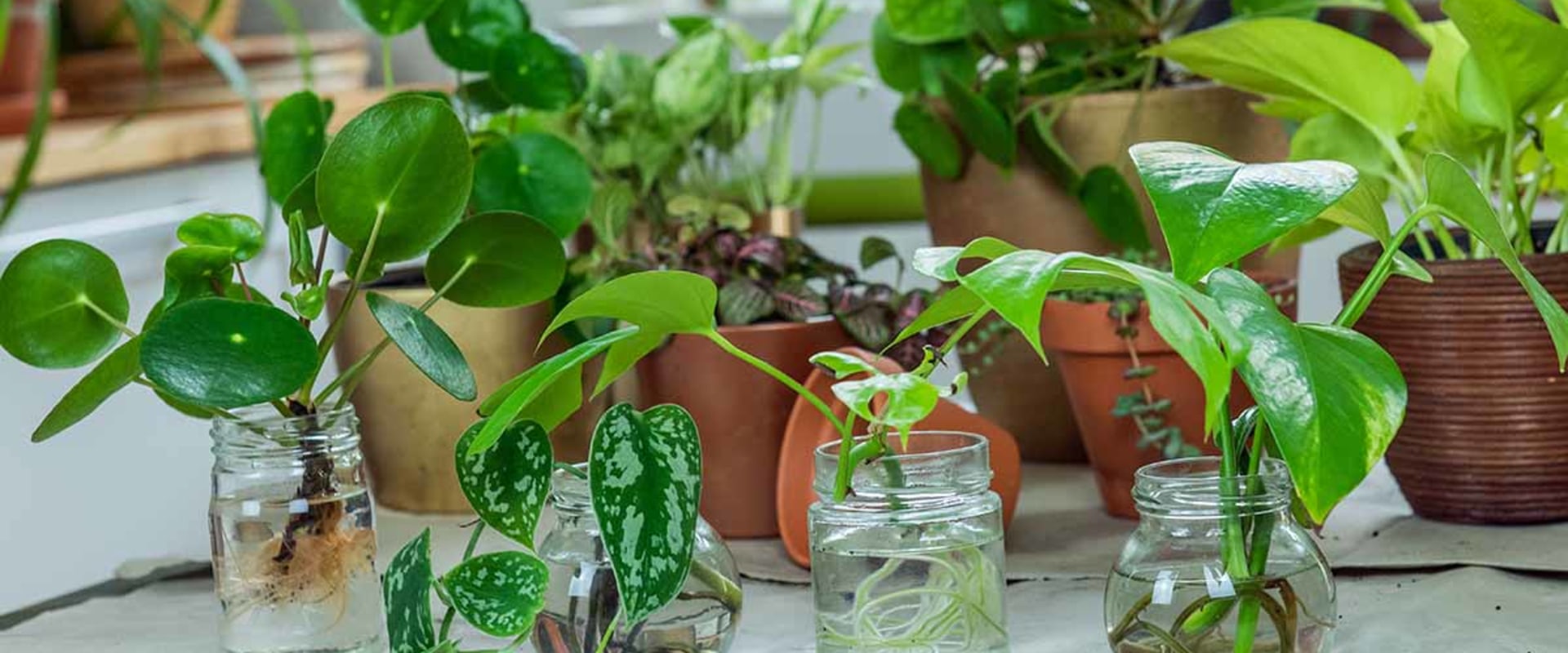
- Water Propagation: Many indoor plants can thrive when propagated in water. Simply take a cutting as described above and place it in a glass of water, ensuring that at least one node is submerged. Change the water every few days to keep it fresh.
Once roots develop (usually within a few weeks), you can transfer the cutting to soil.
Step-by-Step Guide to Propagating Indoor Plants
Propagating indoor plants can be a rewarding experience, allowing you to expand your collection while practicing indoor plant care. Here’s a detailed step-by-step guide to help you successfully propagate your houseplants.1.Choose Your Method
There are several methods for propagating indoor plants, including:- Stem Cuttings: Ideal for plants like pothos and philodendrons.
- Leaf Cuttings: Works well for succulents and certain houseplants.
- Division: Best for plants with multiple stems, such as snake plants.
- Water Propagation: A popular method for many types of cuttings.
2.Gather Your Supplies
You will need:- Sharp scissors or pruning shears
- Clean containers (for water or soil)
- Pots with drainage holes (if using soil)
- Potting mix (if applicable)
3.Take Cuttings
For stem cuttings, select a healthy stem and cut just below a node. For leaf cuttings, ensure the leaf is healthy and intact. If you’re dividing a plant, gently separate the root ball into sections.4.Prepare the Cuttings
If using soil, allow the cut ends to callous over for a few hours to prevent rot.For water propagation, place the cuttings in a container filled with clean water, ensuring that the nodes are submerged.
5.Planting
If propagating in soil, plant the cuttings in moist potting mix and water lightly. Ensure they are placed in a warm area with indirect sunlight to encourage growth.6.Care for Your New Plants
Monitor moisture levels and avoid overwatering. For water-propagated cuttings, change the water every few days to keep it fresh. After a few weeks, roots should begin to develop.7.Transplanting
Once your cuttings have established roots (about 2-4 inches long), they can be transplanted into their own pots with potting mix if they were initially propagated in water.Tip:
Always label your cuttings to keep track of different plant types and propagation dates!
Choosing the Right Indoor Plants for Propagation
When it comes to indoor plant care, selecting the right plants for propagation is crucial for success.Some plants are naturally more forgiving and easier to propagate than others, making them ideal choices for both beginners and seasoned plant enthusiasts.
Best Indoor Plants for Propagation
- Spider Plant (Chlorophytum comosum) : Known for its resilience, the spider plant produces numerous "pups" that can be easily rooted in water or soil.
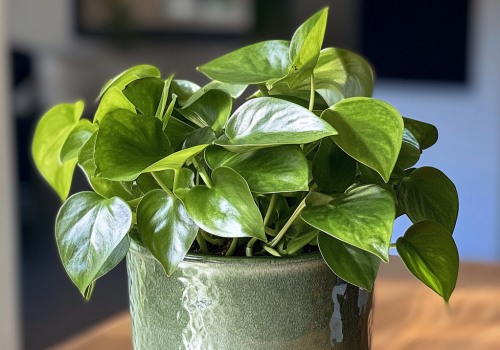
- Pothos (Epipremnum aureum) : This popular houseplant thrives in various conditions and can be propagated through cuttings placed in water until roots develop.
- Snake Plant (Sansevieria trifasciata) : With its hardy nature, the snake plant can be propagated by leaf cuttings or by dividing the rhizomes.
- Philodendron : Many varieties of philodendron are easy to propagate through stem cuttings, making them a favorite among indoor gardeners.
- Succulents : Most succulents can be propagated from leaf cuttings or offsets, providing a fun and rewarding experience.
Which Plants Can Be Propagated Indoors?
Many indoor plants can be propagated successfully, but some are particularly well-suited for indoor environments. Consider the following:- Tradescantia (Wandering Jew) : This fast-growing plant can be propagated easily from stem cuttings.
- Geraniums : These flowering plants can be propagated from stem cuttings taken during the growing season.
- African Violets : Leaf cuttings from African violets can yield new plants when placed in water or soil.
Easy to Propagate Houseplants
If you're new to propagation, start with these easy-to-care-for houseplants:- Mint : This herb is not only useful in the kitchen but also propagates quickly in water.
- Basil : Similar to mint, basil can be rooted in water and is perfect for culinary enthusiasts.
- Chinese Money Plant (Pilea peperomioides) : Known for its unique round leaves, this plant produces offsets that are simple to propagate.
Common Mistakes to Avoid When Propagating Indoor Plants
When it comes to propagating indoor plants, even seasoned gardeners can stumble upon common mistakes that hinder their success. Understanding these pitfalls is crucial for anyone looking to expand their indoor garden.- Ignoring the Right Timing: One of the most frequent errors is propagating at the wrong time of year.
Many plants have specific growth cycles, and attempting to propagate during dormancy can lead to failure. Aim for spring or early summer when plants are actively growing.
- Using Inappropriate Tools: Cleanliness is key in propagation. Using unsterilized tools can introduce pathogens that harm your cuttings. Always use sharp, clean scissors or shears to make your cuts.
- Overwatering: New cuttings are particularly sensitive to moisture levels.
Overwatering can lead to rot before roots even have a chance to develop. Ensure that your propagation medium is well-draining and only water when necessary.
- Neglecting Light Conditions: While cuttings need light, too much direct sunlight can scorch them. Place your cuttings in a location with bright, indirect light to promote healthy growth without overwhelming them.
- Not Providing Humidity: Many houseplants thrive in humid environments. If you live in a dry climate, consider using a humidity dome or misting your cuttings regularly to maintain adequate moisture levels.
Taking the time to understand the needs of your specific plants and adjusting your methods accordingly will lead to healthier cuttings and a thriving indoor garden.
Caring for Your Newly Propagated Plants
Once you have successfully propagated your indoor plants, the next crucial step is to ensure they receive the proper care to thrive. Caring for your newly propagated plants involves several key factors, including watering, light requirements, and general maintenance.Watering Your New Cuttings
New cuttings require careful attention when it comes to watering. Overwatering can lead to root rot, while underwatering can stunt growth. Here are some tips:- Check the soil moisture: Before watering, stick your finger about an inch into the soil.
If it feels dry, it’s time to water.
- Use room temperature water: Cold water can shock the roots, so always use water that is at room temperature.
- Water thoroughly: Ensure that water seeps out of the drainage holes at the bottom of the pot, indicating that the entire root system is hydrated.
Light Requirements
The right amount of light is essential for nurturing propagated houseplants. Newly propagated plants often need bright, indirect light to encourage healthy growth:- Avoid direct sunlight: Direct sunlight can scorch young leaves. Place your plants near a window with filtered light.
- Rotate your plants: To ensure even growth, rotate your plants every few weeks so all sides receive adequate light.
General Maintenance Tips
In addition to watering and light, consider these general maintenance tips:- Humidity levels: Many indoor plants thrive in higher humidity. Consider misting your cuttings or placing a humidifier nearby.
- Fertilization: Wait a few weeks before fertilizing new cuttings.
Once they establish roots, use a diluted liquid fertilizer every month.
- Pest monitoring: Keep an eye out for pests like aphids or spider mites. Early detection is key to preventing infestations.
Frequently Asked Questions About Indoor Plant Propagation
When it comes to indoor plant propagation, many enthusiasts have questions about the best practices and troubleshooting methods. Here are some frequently asked questions that can help you navigate the propagation process more effectively.What is the best method for propagating indoor plants?
The best method for propagating indoor plants often depends on the type of plant. Common methods include:- Cuttings: Taking a stem or leaf cutting and placing it in water or soil.
- Division: Separating a plant into multiple sections, each with roots.
- Offsets: Removing small plants that grow at the base of the parent plant.
How long does it take for cuttings to root?
The time it takes for cuttings to root can vary widely based on the plant species and environmental conditions.Generally, you can expect:
- Herbs and soft-stemmed plants: 1-3 weeks.
- Succulents: 2-4 weeks.
- Woody plants: 4-8 weeks or longer.
What should I do if my cuttings are not rooting?
If your cuttings are struggling to root, consider these troubleshooting tips:- Check moisture levels: Ensure the medium is moist but not soggy.
- Provide adequate light: Place cuttings in bright, indirect light.
- Avoid over-fertilizing: Too much fertilizer can hinder root development.
Conclusion: Embrace the Joy of Propagating Indoor Plants
In conclusion, propagating indoor plants is not just a practical way to expand your collection; it’s also a deeply rewarding experience that connects you with nature. By understanding the various methods of propagation, such as cuttings, division, and layering, you can choose the best approach for each type of plant in your home. Each successful propagation not only enhances your indoor garden but also boosts your confidence as a plant parent.As you embark on this journey, remember the following key points:- Choose the Right Time: Timing can significantly affect the success of your propagation efforts.
Spring and summer are ideal for most plants.
- Use Clean Tools: Always use sterilized tools to prevent disease and ensure healthy growth.
- Provide Proper Care: After propagating, give your new plants the right amount of light, water, and nutrients to thrive.
- Be Patient: Some plants take longer to root than others. Patience is key in watching your new plants grow.