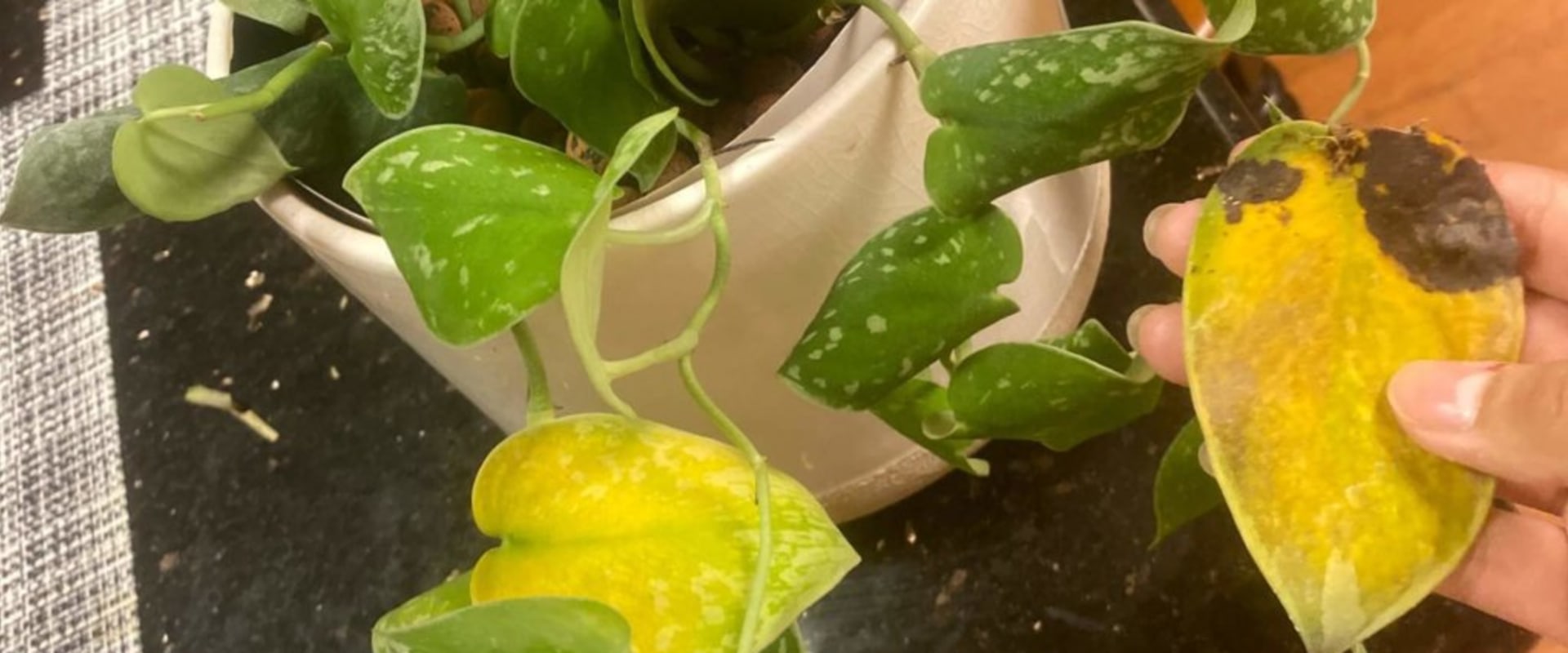
Caring for indoor plants is not just about providing them with sunlight and the occasional watering; it involves a deeper understanding of their specific watering needs and overall health. Each plant species has its own unique requirements, and recognizing these can make the difference between a thriving indoor garden and a collection of struggling greens. Proper indoor plant care encompasses various factors, including light, humidity, soil type, and most importantly, water. One of the most common mistakes that plant enthusiasts make is overwatering, which can lead to a host of problems that jeopardize plant health. When plants receive too much water, their roots can become waterlogged, leading to root rot and other serious issues.
Understanding the signs of overwatering is crucial for maintaining the vitality of your indoor plants. This knowledge not only helps in preventing damage but also enhances your ability to nurture your plants effectively. As we delve deeper into the signs of overwatering, it’s essential to remember that each plant has its own set of indicators. By learning to recognize these signs early on, you can adjust your care routine accordingly and ensure that your indoor plants remain healthy and vibrant. In the following sections, we will explore specific symptoms of overwatering and provide tips on how to maintain optimal moisture levels for your beloved indoor greenery.
What is Overwatering?
Overwatering occurs when an indoor plant receives more water than it can absorb, leading to a saturated root environment.This condition can be detrimental to the health of your plants, as it disrupts their natural growth processes.
Effects of Overwatering
- Root Rot: One of the most severe consequences of overwatering is root rot, a fungal disease that thrives in overly moist conditions. It can cause roots to decay, ultimately leading to plant death if not addressed promptly.
- Yellowing Leaves: If you notice the leaves of your indoor plant turning yellow, it may be a sign of overwatering. This discoloration occurs because excess water prevents roots from taking up essential nutrients.
- Wilting: Ironically, overwatered plants may also exhibit wilting. This happens because the roots are damaged and unable to transport water effectively, leading to a lack of hydration despite the soil being wet.
- Mold Growth: A consistently damp environment can encourage mold and mildew growth on the soil surface, which can further harm your plant's health.
By recognizing these symptoms early, you can take corrective measures to restore your plant's health and ensure it thrives in its indoor environment.
Signs Your Indoor Plant is Overwatered
Understanding the signs of overwatering is crucial for effective indoor plant care. Overwatering can lead to a variety of issues that may ultimately harm your plants. Here are some key symptoms to watch for:- Yellowing Leaves: One of the most common signs of overwatering is the yellowing of leaves. If you notice that the lower leaves are turning yellow and dropping off, it may indicate that your plant is sitting in too much water.
- Wilting Despite Moist Soil: It may seem counterintuitive, but overwatered plants can exhibit wilting.
If your plant's leaves are drooping but the soil feels wet, this is a clear sign of root stress due to excess moisture.
- Mushy or Brown Roots: If you remove your plant from its pot and find that the roots are mushy or brown instead of firm and white, this indicates root rot caused by overwatering.
- Fungal Growth: The presence of mold or fungus on the soil surface is another indicator of overwatering. This can create an unhealthy environment for your plant.
- Leaf Drop: Sudden leaf drop can occur when a plant is overwatered. If you notice leaves falling off without any other apparent reason, check your watering habits.
Additionally, adjust your watering schedule based on seasonal changes and the specific needs of each plant species.
Common Indoor Plants Prone to Overwatering
When it comes to indoor plant care, understanding which plants are particularly sensitive to overwatering is crucial for maintaining their health. Here are some common houseplants that often struggle with excess moisture:- Spider Plant (Chlorophytum comosum) : Known for its air-purifying qualities, the spider plant can develop root rot if left in soggy soil. Ensure the pot has good drainage and allow the top inch of soil to dry out between waterings.
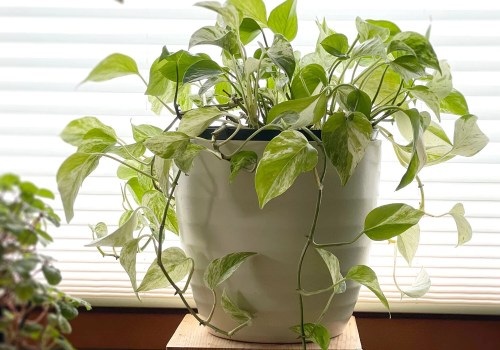
- Pothos (Epipremnum aureum) : This popular trailing plant is forgiving but can suffer from yellowing leaves and wilting if overwatered. It's best to let the soil dry out completely before giving it another drink.
- Peace Lily (Spathiphyllum spp.) : While peace lilies thrive in low light, they are highly susceptible to root rot.
If you notice browning leaf tips or a drooping appearance, it may be a sign of overwatering.
- Succulents and Cacti : Although not traditional houseplants, many people keep them indoors. These plants require minimal water, and overwatering can lead to mushy stems and leaves. Always check the soil moisture before watering.
- Fiddle Leaf Fig (Ficus lyrata) : This trendy plant can be quite finicky. Overwatering can cause leaf drop and brown spots, so it's essential to monitor its watering needs closely.
Adjust your watering schedule based on environmental factors such as humidity and light levels, and remember that less is often more when it comes to watering sensitive indoor plants.
How to Diagnose Overwatering in Your Plants
Diagnosing overwatering in your indoor plants is crucial for maintaining their health and vitality. Here are some key signs to look for:- Yellowing Leaves: One of the most common indicators of overwatering is the yellowing of leaves. If the leaves start to turn yellow, especially the lower ones, it may be a sign that the roots are suffocating due to excess moisture.
- Wilting: Ironically, overwatered plants can also exhibit wilting. This occurs because the roots are unable to absorb water effectively when they are waterlogged.
- Mold or Fungus: The presence of mold on the soil surface or a white, fuzzy substance can indicate that your plant is receiving too much water.
This not only affects the plant but can also lead to root rot.
- Root Rot: If you notice a foul smell coming from the soil or see black, mushy roots when you remove the plant from its pot, root rot is likely present. This condition is often irreversible and can lead to plant death.
- Stick Your Finger Test: Insert your finger about an inch into the soil. If it feels wet or soggy, it’s time to cut back on watering.
- Soil Moisture Meter: For a more accurate reading, use a soil moisture meter.
This tool can help you determine the moisture level deep within the pot.
Steps to Take if Your Plant is Overwatered
If you suspect that your indoor plant is suffering from overwatering, it’s crucial to act quickly to prevent further damage. Here are some effective recovery steps you can take:- Assess the Damage: Begin by examining your plant closely. Look for signs such as yellowing leaves, wilting, or a mushy stem.
These symptoms indicate that your plant is indeed overwatered.
- Remove Excess Water: If your plant is in a pot with drainage holes, ensure that any standing water in the saucer is emptied. This will help prevent the roots from sitting in water, which can lead to root rot.
- Check the Soil: Gently remove the plant from its pot and inspect the soil. If it feels soggy or has a foul smell, it may be time to repot.
- Repot if Necessary: If the soil is overly saturated, consider repotting your plant with fresh, dry potting mix. Choose a well-draining soil to promote healthy root growth.
- Prune Damaged Roots: While repotting, trim away any black or mushy roots with sterilized scissors.
Healthy roots should be white or light tan and firm to the touch.
- Adjust Watering Schedule: After addressing the immediate issues, reevaluate your indoor plant care routine. Allow the top inch of soil to dry out before watering again. This will help establish a healthier watering schedule.
- Increase Air Circulation: Place your plant in a location with better air circulation and indirect sunlight. This can help dry out the soil more quickly and reduce humidity around the plant.
Remember that prevention is key; always check soil moisture before watering and adjust your care routine as needed.
Preventing Overwatering: Best Practices for Indoor Plant Care
Preventing overwatering is crucial for maintaining the health of your indoor plants. Here are some best practices to ensure your plants thrive without the risk of waterlogging.- Understand Your Plant's Needs: Different indoor plants have varying water requirements. Research the specific needs of your plants to tailor your watering schedule accordingly.
- Check Soil Moisture: Before watering, always check the top inch of soil. If it feels dry, it’s time to water.
If it’s still moist, wait a few more days.
- Use Proper Drainage: Ensure that your pots have adequate drainage holes. This allows excess water to escape, preventing root rot and other issues associated with overwatering.
- Choose the Right Soil: Use a well-draining potting mix that suits your plant type. A mix designed for succulents or cacti, for example, will help prevent excess moisture retention.
- Watering Schedule Tips: Establish a consistent watering schedule based on the season and humidity levels in your home. During warmer months, you may need to water more frequently than in winter.
Remember, it's always better to underwater than overwater; plants can recover from drought but may struggle to bounce back from root rot.
Frequently Asked Questions about Overwatering Indoor Plants
When it comes to indoor plant care, understanding the signs of overwatering is crucial for maintaining healthy plants. Here are some frequently asked questions that can help you troubleshoot overwatering issues:- What are the signs of overwatering? Common signs include yellowing leaves, wilting despite wet soil, and a foul smell coming from the soil. If you notice these symptoms, it’s essential to act quickly.
- How can I tell if my plant needs water? A good rule of thumb is to check the top inch of soil. However, if the soil is consistently wet, you may be overwatering.
- Can overwatering cause root rot? Yes, overwatering is one of the leading causes of root rot in indoor plants.
This condition occurs when roots sit in waterlogged soil, leading to decay and ultimately harming the plant.
- What should I do if I suspect overwatering? First, stop watering your plant immediately. Allow the soil to dry out completely before considering watering again. If root rot is suspected, you may need to repot the plant in fresh, dry soil.
- Are some plants more susceptible to overwatering? Yes, certain plants like succulents and cacti are particularly sensitive to excess moisture. Always research specific care requirements for your indoor plants.
Conclusion: Key Takeaways on Indoor Plant Care and Overwatering Signs
In conclusion, understanding the signs of overwatering is crucial for effective indoor plant care.Recognizing these symptoms early can prevent serious damage to your plants and ensure they thrive in their environment. Here are the key takeaways:
- Yellowing Leaves: One of the first signs of overwatering is the yellowing of leaves, particularly older ones. This occurs due to root stress and lack of oxygen.
- Wilting Despite Moist Soil: If your plant appears wilted but the soil is wet, it’s a clear indication that the roots are not able to absorb water properly.
- Mold or Fungus: The presence of mold on the soil surface or a musty smell can signal excessive moisture levels, which can lead to root rot.
- Root Rot: If you notice a foul odor when inspecting the roots, or if they appear brown and mushy, your plant may be suffering from root rot due to overwatering.
- Leaf Drop: Sudden leaf drop can also indicate that your plant is stressed from too much water.
Adjusting your watering schedule according to seasonal changes and specific plant needs will greatly enhance their health and longevity. By being vigilant and responsive to these signs, you can provide optimal care for your indoor plants, ensuring they remain vibrant and flourishing.