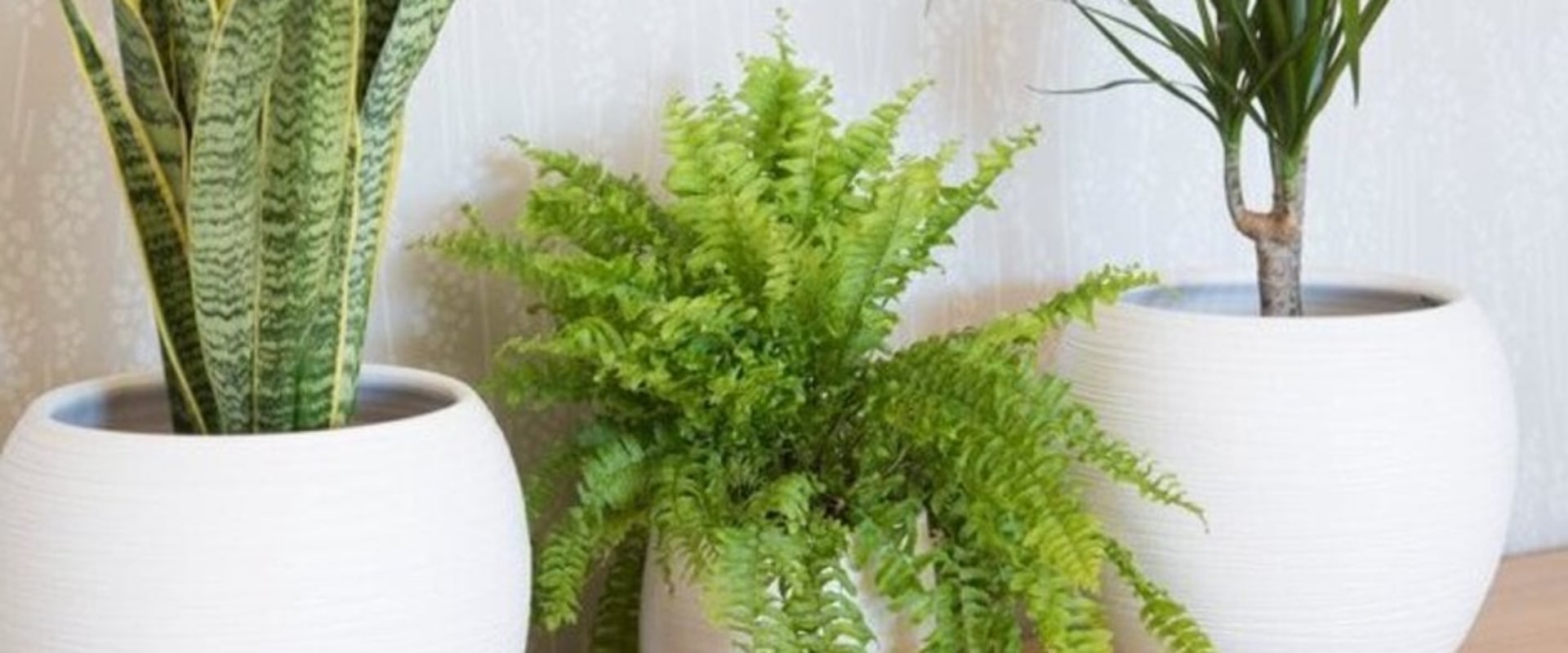
When it comes to indoor plant care, one of the most critical yet often overlooked factors is temperature. Just like humans, plants thrive within specific temperature ranges, and deviations from these ranges can lead to a host of problems. Understanding how temperature affects your indoor plants is essential for maintaining their health and vitality. Whether you’re nurturing a vibrant fern or a delicate orchid, recognizing the signs of temperature stress can make all the difference in your plant's well-being. Temperature plays a pivotal role in various physiological processes within plants, including photosynthesis, respiration, and nutrient uptake.
For instance, if your indoor plants are exposed to temperatures that are too high, they may experience heat stress, leading to wilting leaves and stunted growth. Conversely, if they are kept in an environment that is too cold, they may become sluggish and susceptible to diseases. This delicate balance underscores the importance of monitoring not just the light and water your plants receive but also the ambient temperature in which they reside. As you embark on your journey of indoor plant care, it’s crucial to familiarize yourself with the ideal temperature ranges for your specific plants. Each species has its own preferences, and understanding these can help you create an optimal environment.
In the following sections, we will delve deeper into how to identify signs of temperature-related issues and provide practical tips for ensuring your indoor plants remain healthy and thriving.
Signs Your Indoor Plant is Getting Too Much Heat
Understanding the signs of heat stress in your indoor plants is crucial for effective indoor plant care. When plants are exposed to excessive heat, they exhibit several symptoms that indicate they are struggling to cope with their environment.Leaf Discoloration: One of the first signs of overheating is leaf discoloration. Leaves may turn yellow or brown, particularly at the edges. This change often indicates that the plant is losing moisture faster than it can absorb it, leading to dehydration.Wilting: Another common symptom is wilting.If your plant's leaves appear droopy or limp, it may be a sign that it is not receiving enough water due to high temperatures. While wilting can also occur from underwatering, in the context of heat stress, it often signifies that the plant is struggling to maintain its hydration levels.Stunted Growth: Excessive heat can also lead to stunted growth. If you notice that your plant has stopped growing or is producing smaller leaves than usual, it may be a response to unfavorable temperature conditions. Plants under stress often prioritize survival over growth, which can hinder their overall development.Brown Leaf Tips: In addition to discoloration, you might observe brown tips on the leaves.
This symptom typically indicates that the plant is experiencing too much heat and possibly low humidity levels. The combination can lead to moisture loss through transpiration, resulting in crispy leaf edges.Leaf Drop: Finally, if your indoor plant starts shedding leaves, it could be a sign of heat stress. Plants may drop leaves as a defense mechanism to conserve water and energy when they are unable to cope with high temperatures. To mitigate these issues, consider relocating your plants away from direct sunlight or using a fan to improve air circulation. Regularly monitoring your indoor environment will help ensure your plants thrive and remain healthy.
Signs Your Indoor Plant is Not Getting Enough Heat
Understanding the temperature needs of your indoor plants is essential for their health and vitality.When plants do not receive adequate warmth, they can exhibit several signs of cold stress, which can hinder their growth and overall well-being.
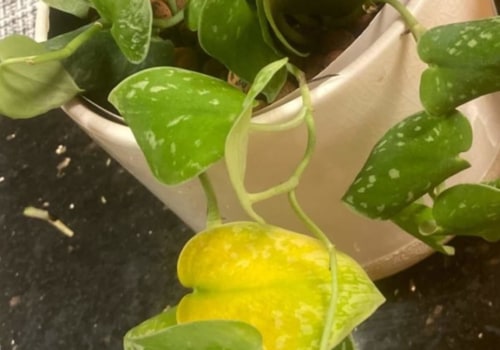
- Yellowing Leaves: One of the most common indicators that your plant is not getting enough heat is the yellowing of leaves. This discoloration often starts at the lower leaves and can spread upwards, signaling that the plant is struggling to photosynthesize effectively.
- Slow Growth: If you notice that your indoor plant has stopped growing or is growing at a significantly slower rate than usual, it may be a sign that it is not receiving sufficient warmth. Plants require a certain temperature range to thrive, and cooler conditions can lead to stunted growth.
- Wilting or Drooping: While wilting can be caused by overwatering, it can also indicate that your plant is too cold. If the soil is moist but the leaves are drooping, consider checking the ambient temperature around your plant.
- Leaf Drop: Sudden leaf drop can be alarming, but it may occur when plants are exposed to temperatures that are too low for their comfort.
If you notice leaves falling off unexpectedly, it’s time to assess the temperature in your indoor environment.
- Brown Tips or Edges: While brown tips can indicate over-fertilization or underwatering, they can also result from cold stress. If the air around your plant is too chilly, you may see browning at the edges of leaves as they struggle to cope with the temperature.
Optimal Temperature Ranges for Common Indoor Plants
Understanding the optimal temperature ranges for your indoor plants is crucial for their health and growth.Different species have varying temperature preferences, and knowing these can help you create the perfect environment for your green companions.
General Temperature Guidelines
Most indoor plants thrive in temperatures between 65°F and 75°F (18°C to 24°C) during the day. At night, a slight drop to around 60°F to 65°F (15°C to 18°C) is generally acceptable. However, some plants have specific needs:- Succulents and Cacti: These hardy plants prefer warmer conditions, ideally between 70°F and 80°F (21°C to 27°C) during the day, with nighttime temperatures not dropping below 50°F (10°C).
- Tropical Plants: Varieties like Philodendron and Pothos thrive in temperatures ranging from 65°F to 85°F (18°C to 29°C). They enjoy humidity, so maintaining warmth is essential.
- Ferns: These plants prefer cooler environments, ideally between 60°F and 70°F (15°C to 21°C).
They are sensitive to heat, so avoid placing them near heating vents.
Signs of Temperature Stress
If your indoor plants are not within their ideal temperature ranges, they may exhibit signs of stress. Look for:- Wilting or Drooping Leaves: This can indicate both heat stress and cold shock.
- Browning Leaf Edges: Often a sign of too much heat or low humidity.
- Pale or Yellowing Leaves: This may suggest that the plant is struggling with temperature extremes.
How to Measure and Monitor Temperature for Indoor Plants
To ensure your indoor plant care routine is effective, it’s essential to accurately measure and monitor the temperature in your plant's environment. Temperature fluctuations can significantly impact plant health, so having the right tools and methods is crucial.1.Use a Thermometer
- A simple digital or analog thermometer can provide accurate readings of the temperature in your indoor space.
Place the thermometer near your plants, but not directly in their pots, to avoid localized heat from the soil.
- Consider using a thermometer with a humidity gauge, as humidity levels can also affect temperature perception for plants.
2.Monitor Temperature Regularly
- Check the temperature at different times of the day. Indoor temperatures can vary significantly between morning and evening due to heating or cooling systems.
- Keep an eye on seasonal changes. In winter, for example, heating systems can create hot spots that may not be ideal for your plants.
3.Utilize Smart Technology
- Smart plant monitors are available that not only measure temperature but also track humidity, light levels, and soil moisture. These devices can send alerts to your smartphone if conditions fall outside optimal ranges.
- Some smart home systems can integrate with these monitors, allowing you to automate adjustments like adjusting heating or cooling based on real-time data.
4.Observe Your Plants
- In addition to using tools, pay attention to your plants' behavior.
If leaves are curling or turning yellow, it may indicate they are experiencing temperature stress.
- Look for signs of growth; healthy plants will show new growth during their active growing season, which typically indicates they are in a suitable temperature range.
Adjusting Temperature Conditions for Your Indoor Plants
Maintaining the right temperature for your indoor plants is crucial for their health and growth. Here are some practical tips on how to adjust temperature conditions effectively:- Placement Strategies: Position your plants away from drafts, heating vents, and air conditioning units. These areas can cause sudden temperature fluctuations that stress your plants. Instead, choose a stable environment with indirect sunlight.
- Use Thermometers: Invest in a reliable indoor thermometer to monitor the temperature around your plants.
Most houseplants thrive in temperatures between 65°F and 75°F (18°C to 24°C). Regularly check the readings to ensure they remain within this range.
- Heating Devices: If your indoor climate tends to be on the cooler side, consider using a space heater or a heat mat specifically designed for plants. These devices can help maintain a consistent warmth, especially during winter months.
- Cooling Solutions: Conversely, if your indoor environment is too warm, use fans to circulate air and lower the temperature. Placing ice packs near your plants can also help cool the surrounding air without causing direct cold exposure.
This not only creates a microclimate that can help retain humidity but also allows them to share warmth. Remember that different species have varying temperature preferences; always research specific needs for each type of plant you own. Lastly, observe your plants closely. Signs of stress such as yellowing leaves or wilting can indicate that adjustments are necessary. By being proactive and making small changes, you can significantly improve the indoor climate for your plants and enhance their overall health.
Frequently Asked Questions About Indoor Plant Temperature Care
Understanding the temperature needs of your indoor plants is crucial for their health and growth.Here are some frequently asked questions regarding indoor plant temperature care:
- What temperature is ideal for indoor plants?
Most indoor plants thrive in temperatures between 65°F and 75°F (18°C to 24°C). However, some tropical plants may prefer slightly warmer conditions, while succulents and cacti can tolerate cooler temperatures. - How can I tell if my plant is too hot?
If your plant is experiencing excessive heat, you may notice signs such as yellowing leaves, leaf drop, or crispy edges. Additionally, if the soil dries out too quickly, it may indicate that the plant is struggling with high temperatures. - What are the signs of a plant being too cold?
Plants that are too cold often exhibit stunted growth, wilting, or darkening of leaves. If you see any of these symptoms, consider moving your plant to a warmer location. - Can I use a thermometer to monitor my indoor plant's temperature?
Yes! Using a thermometer can help you keep track of the temperature in your plant's environment.Aim for a consistent range to ensure optimal growth.
- How do drafts affect indoor plants?
Drafts from windows or doors can cause sudden temperature fluctuations that stress your plants. It's best to keep them away from direct drafts to maintain a stable environment.
Conclusion: Ensuring Your Indoor Plants Thrive with Proper Temperature Care
In conclusion, understanding the temperature needs of your indoor plants is crucial for their overall health and vitality.Indoor plant care
goes beyond just watering and light; it encompasses creating an environment where your plants can thrive.By recognizing the signs of temperature stress, you can take proactive measures to ensure your plants receive the right conditions. To summarize:
- Too Much Heat: Signs such as wilting leaves, brown tips, or leaf drop indicate that your plant may be suffering from excessive heat. Ensure proper ventilation and consider relocating your plants away from direct heat sources.
- Too Little Heat: If your plant exhibits slow growth, yellowing leaves, or a general lack of vigor, it may not be receiving enough warmth. Placing your plants in a warmer area or using a heat mat can help.
- Ideal Temperature Range: Most indoor plants thrive in temperatures between 65°F to 75°F (18°C to 24°C). Monitoring the temperature regularly can help maintain this range.
Remember, each plant species may have its own specific temperature preferences, so always research the needs of your particular varieties. With the right temperature management, your indoor garden can flourish beautifully.