Understanding the nutrient needs of your indoor plants is essential for their health and vitality. Just like humans, plants require a balanced diet to thrive, which includes both macronutrients and micronutrients. Macronutrients, such as nitrogen, phosphorus, and potassium, are needed in larger quantities and play critical roles in plant growth. For instance, nitrogen is vital for leaf development, while phosphorus supports root and flower growth.
On the other hand, micronutrients like iron, manganese, and zinc are required in smaller amounts but are equally important for various physiological functions.When it comes to indoor plant care, understanding these nutrient requirements can help you identify potential deficiencies that may hinder your plant's growth. Signs of nutrient deficiency can manifest in various ways, such as yellowing leaves, stunted growth, or poor flowering. By recognizing these symptoms early on, you can take proactive measures to amend the soil or adjust your fertilization routine accordingly.Moreover, the type of soil you use and the frequency of watering can significantly impact nutrient availability. Indoor plants often rely on potting mixes that may not provide all the necessary nutrients over time.
Therefore, regular fertilization is crucial to replenish these essential elements. In this section, we will delve deeper into the specific nutrients your indoor plants need and how to ensure they receive a balanced diet for optimal growth.
Signs Your Indoor Plant May Be Nutrient Deficient
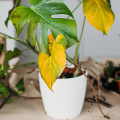
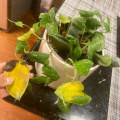
Understanding the health of your indoor plants is crucial for their longevity and vibrancy. One of the key aspects of indoor plant care is recognizing the signs of nutrient deficiencies. Here are some common symptoms to watch for:- Yellowing Leaves: If the leaves of your plant are turning yellow, it may indicate a lack of nitrogen, which is essential for healthy leaf growth.
This condition, known as chlorosis, often starts with older leaves and can spread if not addressed.
- Stunted Growth: A noticeable slowdown in growth can be a sign that your plant is not receiving adequate nutrients. If your plant seems to have plateaued in its growth despite proper light and watering, it may be time to reassess its nutrient intake.
- Pale or Discolored Foliage: In addition to yellowing, leaves may appear pale or exhibit unusual discoloration. This can signal deficiencies in other essential nutrients like magnesium or iron.
- Leaf Drop: If your plant is shedding leaves prematurely, it could be a response to nutrient stress. This often occurs when the roots are unable to absorb necessary nutrients due to poor soil quality or overwatering.
- Brown Tips or Edges: Browning on the tips or edges of leaves can indicate a lack of potassium or an excess of salts in the soil.
This symptom often suggests that your plant is struggling to take up water effectively.
How to Test Soil Nutrient Levels
Understanding the nutrient levels in your indoor plant's soil is crucial for maintaining its health and vitality. Here are some effective methods to test soil nutrient levels:DIY Soil Testing Methods
If you prefer a hands-on approach, you can conduct simple DIY tests at home:- pH Test: Use a pH meter or pH test strips to determine the acidity or alkalinity of your soil.
Most indoor plants thrive in a pH range of 6.0 to 7.0.
- Soil Texture Test: Take a handful of moist soil and rub it between your fingers. Sandy soil feels gritty, while clay soil feels sticky. A balanced mix is ideal for most plants.
- Nutrient Deficiency Signs: Observe your plants for signs of nutrient deficiencies, such as yellowing leaves (nitrogen deficiency) or browning leaf tips (potassium deficiency).
Professional Soil Testing Services
If you want a more accurate assessment, consider using professional soil testing services:- Soil Testing Kits: Purchase a comprehensive soil testing kit that analyzes various nutrients, including nitrogen, phosphorus, and potassium. Follow the instructions carefully for accurate results.
- Local Extension Services: Many universities and agricultural extension offices offer soil testing services.
They can provide detailed reports on nutrient levels and recommendations for amendments.
Best Practices for Fertilizing Indoor Plants
Proper fertilization is essential for the health and vitality of your indoor plants. Understanding the best practices for fertilizing indoor plants can significantly enhance their growth and overall appearance.Types of Fertilizers
- Liquid Fertilizers: These are easy to apply and quickly absorbed by plants. They are ideal for regular feeding, especially during the growing season.
- Granular Fertilizers: These slow-release options provide nutrients over an extended period.
They are perfect for those who prefer less frequent applications.
- Organic Fertilizers: Made from natural materials, these fertilizers improve soil health and promote beneficial microorganisms. Examples include compost, worm castings, and fish emulsion.
- Chemical Fertilizers: These synthetic options offer a quick nutrient boost but should be used with caution to avoid over-fertilization.
Application Frequency
The frequency of fertilization depends on the type of plant and the fertilizer used. Generally, during the growing season (spring and summer), you should fertilize every 4-6 weeks. In fall and winter, most indoor plants enter a dormant phase and require less frequent feeding.
Fertilization Tips
- Read Labels: Always follow the instructions on the fertilizer package to avoid over-application.
- Water Before Fertilizing: Ensure your plant is well-watered before applying fertilizer to prevent root burn.
- Avoid Fertilizing Newly Potted Plants: Wait at least a month after repotting to allow the plant to acclimate to its new environment.
- Observe Your Plants: Yellowing leaves or stunted growth may indicate a nutrient deficiency, signaling that it’s time to fertilize.
Common Mistakes in Indoor Plant Care Related to Nutrients
When it comes to indoor plant care, understanding nutrient management is crucial for maintaining healthy plants.However, many plant owners unknowingly make mistakes that can hinder their plants' growth. Here are some common pitfalls to avoid:
- Over-fertilizing: One of the most frequent mistakes is applying too much fertilizer. While nutrients are essential, excess can lead to nutrient burn, which damages roots and leaves. Signs of over-fertilization include yellowing leaves, wilting, and stunted growth.
To prevent this, always follow the recommended dosage on the fertilizer package and consider diluting it if your plant shows signs of distress.
- Under-fertilizing: On the flip side, neglecting to fertilize can also be detrimental. Indoor plants often deplete the nutrients in their soil over time. If your plant's growth has slowed or its leaves appear pale, it may be time to introduce a balanced fertilizer. Regularly check your plant's health and adjust your feeding schedule accordingly.
- Ignoring plant-specific needs: Different plants have varying nutrient requirements.
For instance, succulents and cacti need less fertilizer compared to tropical plants. Research your specific plant species to tailor your nutrient regimen effectively.
- Not considering soil quality: The type of soil you use can significantly impact nutrient availability. Poor-quality soil may not retain nutrients well, leading to deficiencies. Consider repotting your plants in high-quality potting mix that provides adequate drainage and nutrient retention.
Regular monitoring and adjustments will ensure that your indoor garden remains vibrant and healthy.
Frequently Asked Questions About Indoor Plant Nutrition
Understanding the nutritional needs of your indoor plants is crucial for their health and growth. Here are some frequently asked questions regarding indoor plant nutrition:- How can I tell if my indoor plant is lacking nutrients? Signs of nutrient deficiency can vary by plant type, but common indicators include yellowing leaves, stunted growth, and leaf drop. If you notice these symptoms, it may be time to assess your plant's nutrient intake.
- What are the essential nutrients for indoor plants? Indoor plants primarily require three macronutrients: nitrogen, phosphorus, and potassium. Additionally, they need micronutrients such as iron, magnesium, and calcium in smaller amounts.
A balanced fertilizer can help provide these nutrients.
- How often should I fertilize my indoor plants? The frequency of fertilization depends on the type of plant and the season. In fall and winter, many plants enter dormancy and require less frequent feeding.
- Can I use regular garden soil for indoor plants? No, regular garden soil is often too dense for indoor plants and may not provide adequate drainage. Instead, use a high-quality potting mix designed for indoor plants to ensure proper aeration and nutrient availability.
- What are some tips for improving nutrient absorption in indoor plants?
- Water properly: Ensure your plants receive adequate water to help dissolve nutrients in the soil.
- Avoid over-fertilizing: Too much fertilizer can lead to nutrient burn and hinder absorption.
- Monitor pH levels: Most indoor plants thrive in slightly acidic to neutral pH (6.0-7.0). Adjusting pH can enhance nutrient uptake.