Indoor plants have become an increasingly popular feature in modern homes, providing aesthetic appeal, improved indoor ambiance, and a stronger connection to nature. Many homeowners carefully select houseplants to enhance living spaces, improve air quality, and create a more relaxing environment. At the same time, modern plumbing systems have become more efficient, offering reliable water delivery, consistent pressure, and improved convenience for daily household activities. While these advancements contribute to comfortable living environments, they can also create an unexpected challenge for plant enthusiasts. Easy access to water often encourages frequent watering habits, and many homeowners unintentionally overwater their indoor plants. Although overwatering is commonly discussed as a threat to plant health, its potential effects on the home environment itself are often overlooked. In houses with efficient plumbing systems, the convenience of abundant water can sometimes contribute to conditions that affect both plants and property interiors.
Overwatering Is One of the Most Common Plant Care Mistakes
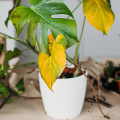
Many indoor plant owners mistakenly believe that more water automatically leads to healthier plants. In reality, overwatering is one of the leading causes of plant stress and decline. Excess moisture can deprive roots of oxygen, encourage root rot, and create conditions that promote fungal growth. Because symptoms such as yellowing leaves and drooping foliage can resemble signs of underwatering, homeowners may inadvertently respond by adding even more water. The result is a cycle that can harm plants while introducing excessive moisture into the indoor environment. Homes equipped with efficient plumbing systems make watering quick and effortless, which may unintentionally increase the likelihood of overwatering when proper plant care practices are not followed.
Excess Moisture Can Affect Indoor Surfaces
The impact of overwatering often extends beyond the plant container itself. Water that repeatedly overflows from pots, accumulates in trays, or seeps through decorative containers can affect nearby surfaces over time. Hardwood flooring, carpeting, cabinetry, windowsills, and furniture may all be vulnerable to prolonged moisture exposure. Small amounts of water may seem harmless initially, but repeated saturation can contribute to staining, warping, material deterioration, and mold development. In homes where numerous indoor plants are maintained, these effects may become more noticeable if watering practices are not carefully managed.
Drainage Habits Matter as Much as Watering Frequency
Another hidden challenge involves how excess water is disposed of after plant care routines. Some homeowners empty trays, rinse containers, or dispose of soil residue through household drains without considering the long-term effects. While occasional maintenance is generally harmless, repeated introduction of soil particles, organic matter, and plant debris into sinks or drains may contribute to gradual buildup within plumbing systems. Proper drainage practices help protect both plant health and plumbing performance. Efficient plumbing systems are designed to handle normal household wastewater, but avoiding unnecessary debris and excess material remains an important aspect of responsible maintenance.
Indoor Humidity and Air Quality Considerations
Excessively watered plants can also influence indoor humidity levels, particularly in homes with large plant collections. Constantly saturated soil releases moisture into the surrounding air, potentially contributing to elevated humidity. While moderate humidity can benefit certain plant species, excessive moisture may create conditions that support mold growth and reduce overall indoor comfort. Monitoring watering schedules and ensuring proper drainage can help maintain a healthier balance for both plants and occupants.
Balancing Plant Care and Home Maintenance
Successful indoor gardening requires more than simply providing regular access to water. It involves understanding the unique needs of each plant while also considering how watering practices affect the surrounding living environment. Homeowners who combine responsible plant care with proper household maintenance often enjoy the benefits of thriving indoor greenery without introducing unnecessary moisture-related risks. Professionals such as Brightwater Plumbing of Oviedo understand the importance of maintaining healthy water management habits throughout the home. By avoiding overwatering, ensuring proper drainage, and remaining mindful of moisture accumulation, homeowners can create indoor spaces that support both vibrant plant growth and long-term property protection.